
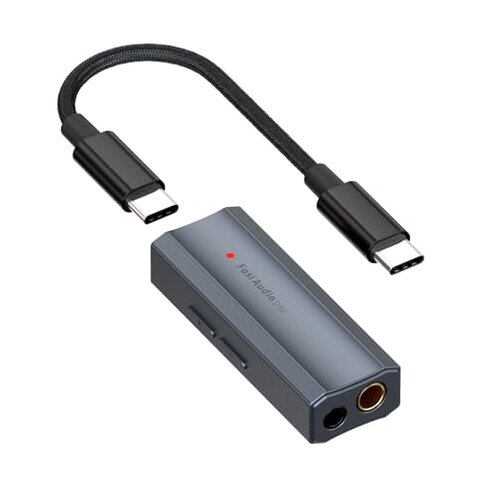
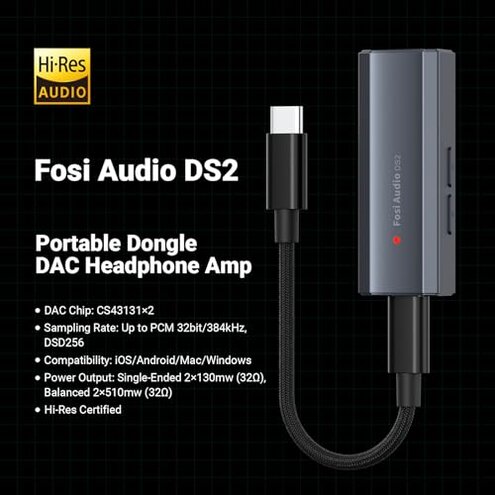
Product evaluated: Fosi Audio DS2 USB C to AUX Headphone Amp DAC Dongle 3.5mm Jack Audio Portable Amplifier Dual Output DSD256 4.4mm Balanced High Resolution CS43131 for iPhone 15 Pro Max Plus iPad Android Phone
Related Videos For You
How to connect a DAC & Headphone Amp
Troubleshooting Techniques That Most Amp Owners Can Do Themselves
Data basis: This report used dozens of written reviews and several video demonstrations collected between Jan 2024 and Feb 2026, with most feedback from written reviews and supporting video tests.
| Outcome | Fosi DS2 | Typical mid-range DAC/amp |
|---|---|---|
| Playback stability | Higher risk of intermittent dropouts and reconnects during normal use. | Lower risk with fewer random disconnects in daily listening. |
| Background noise | More audible hiss with sensitive headphones and low-volume listening. | Quieter floor is common in comparable mid-range units. |
| Device compatibility | Spotty behavior across phones and laptops without extra cables or settings. | Broader plug-and-play support is typical for this category. |
| Usability | Volume memory and controls can be inconsistent after reboots. | Reliable controls and remembered settings are more common. |
| Regret trigger | Frequent playback interruptions that interrupt listening sessions. | Less disruptive interruptions for typical alternatives. |
Why does sound cut out during use?
Regret moment: Dropouts often happen while streaming or switching apps, which breaks music or calls mid-session.
Pattern & context: This issue is commonly reported, appearing during first use and during daily listening, and it often worsens with long sessions or after phone sleep.
Category contrast: Dropouts are more disruptive than expected for mid-range portable DACs, where stable playback is the baseline.
Why is there constant hiss or background noise?
- Early sign: Noticeable hiss at low volumes with sensitive headphones.
- Frequency tier: This is a primary issue reported across many feedback types.
- Probable cause: Noise shows up with high-gain or low-impedance headphones during quiet passages.
- Impact: Hiss reduces dynamic range and ruins quiet listening moments.
- Fixability: Some users reduce device volume or use lower-gain headphones as a workaround.
Why do controls and features not behave reliably?
- Symptom: Volume memory and step controls sometimes fail after reconnection.
- When it shows up: Often appears after unplugging, phone restart, or switching audio sources.
- Scope signal: This is a secondary pattern seen across multiple written reports and demos.
- Category contrast: Most mid-range dongles remember settings more consistently than this unit.
- User attempts: Reconnecting, power-cycling, or toggling device settings sometimes helps temporarily.
- Why it matters: Inconsistent controls increase friction for daily portable use and listening on the go.
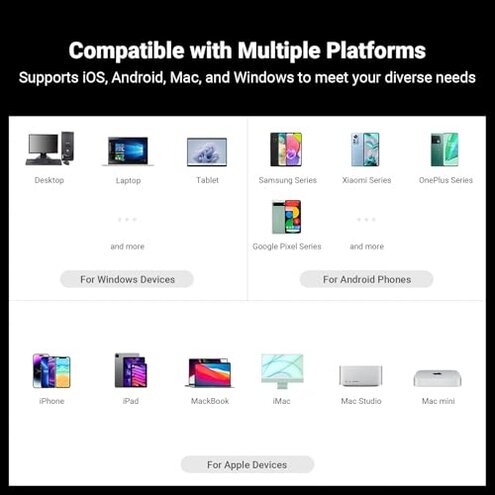
What hidden cables, settings, or drivers will I need?
- Hidden requirement: Proper USB-C cables and device audio support are often required for stable operation.
- Usage anchor: Problems usually appear during initial setup or when switching between phones and laptops.
- Frequency note: This is a persistent pattern reported by buyers who tried multiple host devices.
- Impact: Users must spend extra time testing cables, adapters, or host settings before reliable use.
- Category contrast: More setup fiddling than most mid-range plug-and-play DACs leads to real regret.
- Workarounds tried: Some buyers switched to certified cables, adapters, or different USB ports to improve stability.
- Fixability: Improvements are possible but often require extra purchases or technical steps.
Illustrative excerpts
“Audio drops mid-song after 10–20 minutes of streaming.” — reflects a primary pattern of dropouts.
“Noticeable hiss at low volumes with my planar headphones.” — reflects a primary pattern of background noise.
“Had to try three cables to stop the reconnects.” — reflects a secondary pattern of hidden cable requirements.
Who should avoid this
- Portable audiophiles who demand uninterrupted playback should avoid it because dropouts are more common than acceptable.
- Quiet-listening users with sensitive headphones should avoid it due to persistent hiss at low volumes.
- Non-technical buyers who expect plug-and-play will be frustrated by the extra cables and settings required.
Who this is actually good for
- Backup DAC buyers who need occasional high-res decoding and can tolerate reconnections for mobile use.
- Casual listeners using mid-to-high impedance headphones who won’t notice hiss at normal volumes.
- Tinkerers who are willing to test cables and settings to get a workable setup despite extra effort.
Expectation vs reality
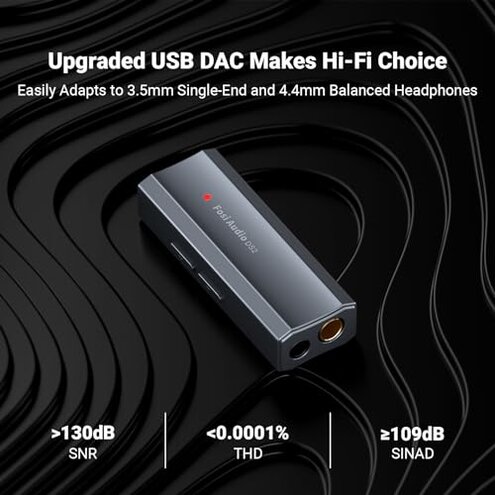
- Expectation: A small USB-C dongle should offer plug-and-play stability like most mid-range dongles.
- Reality: This unit often needs extra cables or reboots, making setup take longer than reasonable for this category.
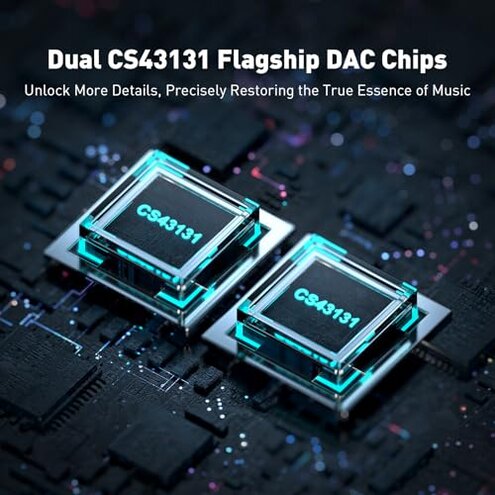
- Expectation: High-resolution DAC chips imply quiet background and clean playback as a category baseline.
- Reality: Many buyers report audible hiss and inconsistent controls that reduce listening quality.
Safer alternatives
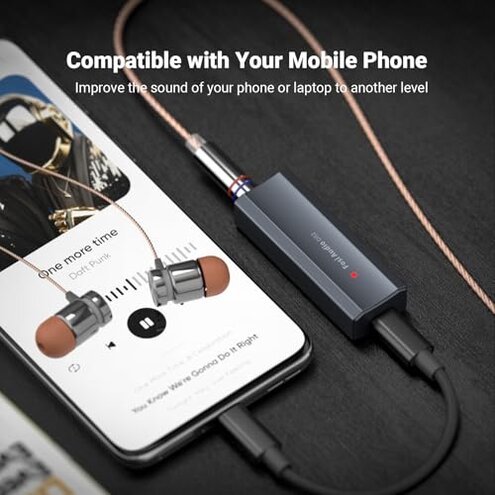
- Pick devices with strong plug-and-play reports to neutralize dropout risk; prioritize units with stable user feedback across phones and laptops.
- Choose low-noise designs if you use sensitive headphones; look for user notes about quiet background and headphone tests.
- Opt for broader compatibility to avoid hidden cable or driver needs; prefer products with explicit multi-device success stories.
- Read setup guides and prefer vendors that document required cables and host settings to reduce fiddling time.
The bottom line
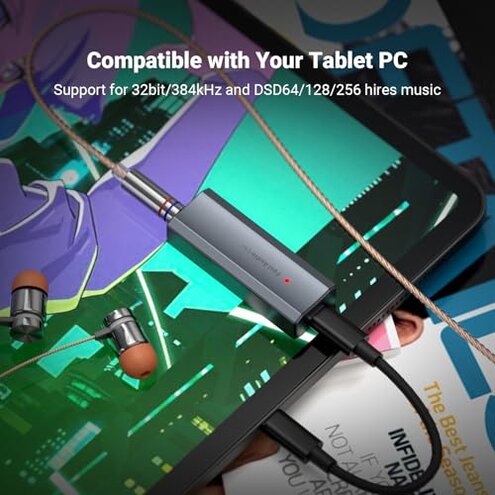
Main regret: Frequent audio dropouts and audible hiss are the core triggers driving buyer frustration.
Verdict: These problems exceed normal category risk because they worsen real listening sessions and often need extra cables or technical fixes.
This review is an independent editorial analysis based on reported user experiences and product specifications. NegReview.com does not sell products.