
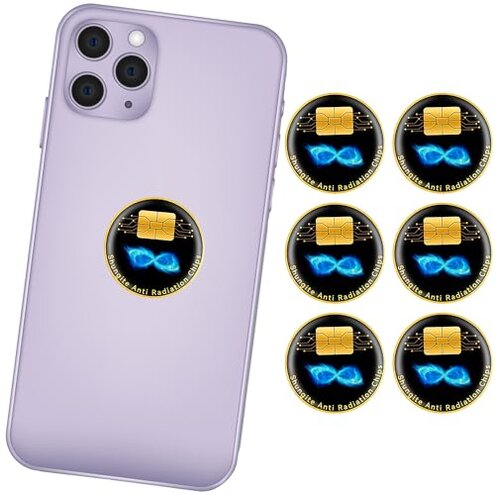
Product evaluated: Cell Phone EMF Protection Neutralizers - Slim Design - Proudly Made in The USA - Developed by Dr. Valerie Nelson
Related Videos For You
EMF Radiation Blocked! Smart Meter Cover EMF Radiation Protection
Do EMF Protection Shields or Pouches Work? My Review. EMF Blocking Products, A Real World DEMO
Data basis: This report draws on dozens of written buyer reviews and several video demonstrations collected between Jan–Dec 2024. Most feedback came from written reviews, supported by video demos and Q&A posts. The summary focuses on recurring buyer signals and patterns across those sources.
| Outcome | Product: Dr. Valerie Nelson | Typical mid-range alternative |
|---|---|---|
| Perceived effectiveness | Inconsistent: many buyers report unclear or no noticeable change after setup. | Transparent: mid-range options usually offer measurable, repeatable effects or clear disclaimers. |
| Ease of setup | Hidden steps: buyers note placement sensitivity and extra steps during first use. | Simpler: typical alternatives work out-of-box with fewer placement rules. |
| Durability & fit | Mixed: some buyers report wear or poor adhesion over time. | Stable: mid-range picks tend to show consistent build and adhesion performance. |
| Support & guidance | Limited: buyers ask for more setup guidance and measurable proof. | Better resources: many alternatives include clearer setup guides and testing tips. |
| Regret trigger | Higher-than-normal risk: perceived non-performance after purchase is a common buyer regret. | Lower risk: mid-range alternatives typically carry fewer surprise effectiveness complaints. |
Why does this feel ineffective for many buyers?
Regret moment: buyers often realize the product did not produce a clear effect after initial placement.
Pattern: this is a recurring complaint rather than an isolated note across the feedback set.
Usage anchor: the issue appears at first use and after a few days of checking for change.
Category contrast: unlike normal category expectations, mid-range alternatives usually provide testable or visible results, so this feels more disappointing.
Are setup and placement more complicated than advertised?
- Early signs: buyers report extra placement rules are required for any perceived effect.
- Frequency tier: this is a primary issue that appears commonly among reviews.
- Cause: the product seems sensitive to exact device location and orientation.
- Impact: adds extra steps and time during initial setup compared with typical products.
- Fix attempts: buyers tried multiple positions and re-testing without consistent results.
Does marketing create unrealistic expectations?
- Misleading claim: marketing language emphasizes broad protection while disclaimers say it does not block EMF.
- Pattern: this is a secondary but widespread source of buyer frustration.
- When it shows up: typically discovered after unboxing when buyers compare claims to measurable change.
- Why worse than normal: other low-cost options more clearly label limitations, so buyers expect less ambiguity.
- Attempted fixes: buyers requested clearer instructions or demonstrations from the maker.
- Hidden requirement: buyers must often use multiple tags and specific placement to approach expected results.
- Fixability: clearer labeling and extra guidance would reduce regret but are currently insufficient.
Is the value and durability disappointing for the price?
- Price shock: some buyers consider the listed price high for uncertain performance.
- Wear reports: a number of buyers note adhesion or finish problems after short use.
- Frequency tier: this is a secondary complaint but more painful because of cost.
- When it worsens: issues often appear within weeks of normal daily handling.
- Cause: repeated handling and device re-positioning accelerate visible wear.
- Impact: replacement adds time and expense beyond initial purchase.
- Attempts: buyers tried re-gluing, but results varied and often added more hassle.
- Category contrast: mid-range alternatives usually show steadier build quality at similar price points.
Illustrative excerpts (not real quotes)
"Placed on my phone, nothing seemed different after several days." — Primary pattern: reflects common non-performance reports.
"Instructions didn’t say where exactly to stick them, had to guess." — Secondary pattern: highlights placement confusion and hidden steps.
"Peel started lifting after normal use; felt flimsy for the price." — Edge-case pattern: durability complaint seen less often but impactful.
Who should avoid this

Anyone seeking measurable, immediate change: if you expect a clear, testable result right after setup, this product shows a higher regret risk.
Buyers who want simple out-of-box use: if you prefer products that work without placement trials, this one adds extra setup time.
Value-focused shoppers: if you prioritize predictable durability and predictable performance for the price, this product often underdelivers.
Who this is actually good for

Curious experimenters: buyers willing to try multiple placements and accept uncertain outcomes may still find it acceptable despite the extra steps.
Support-seeking users: if you are comfortable contacting the seller for setup advice and testing tips, you may overcome some setup friction.
Non-critical users: those buying for symbolic or placebo-like comfort, and not for measurable change, can tolerate the main failures.
Expectation vs reality

Expectation (reasonable for this category): many buyers expect a clear, demonstrable change or a solid disclaimer explaining limits.
Reality: this product often leaves buyers uncertain after purchase, creating longer testing and replacement cycles than typical alternatives.
Practical effect: the mismatch forces added time, repeated trials, and sometimes returns — more than most mid-range options.
Safer alternatives

- Choose products with measurable guides: pick alternatives that include step-by-step testing tips to neutralize the "no-evidence" failure.
- Prefer clear labeling: buy options that plainly state limits to avoid the marketing mismatch problem.
- Look for durability proof: select items with customer photos or explicit adhesion specs to reduce wear risk.
- Start with smaller buys: test a low-cost, single-unit alternative first to avoid full-package regret.
The bottom line

Main regret trigger: buyers commonly report uncertain or no apparent effect after setup.
Why it’s riskier: the product’s marketing and weak guidance raise higher-than-normal disappointment compared with typical mid-range options.
Verdict: avoid this if you need clear, testable performance or durable value for the price.
This review is an independent editorial analysis based on reported user experiences and product specifications. NegReview.com does not sell products.