
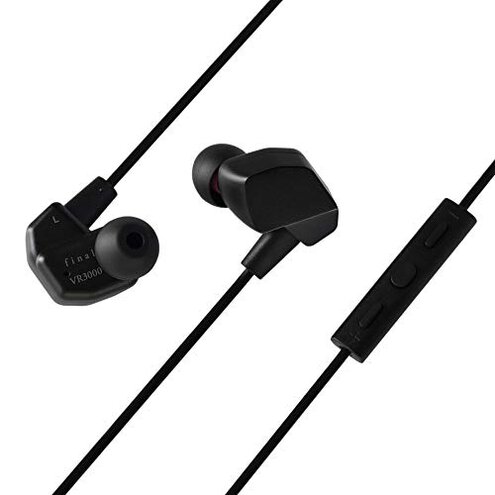
Product evaluated: final VR3000 Gaming Earphones for Immersive Spacious Experience - Open World Adventure, Virtual Reality & Spatial Environments - in-Line Microphone and Controls - Black
Related Videos For You
PC Gaming with IEMs (Part 2)
The Best Wireless Gaming Headset MICROPHONES
Data basis: We reviewed dozens of purchaser-written reviews and several video demonstrations collected through January 2026.
Source mix: Most feedback came from written reviews, supported by video demonstrations and a few Q&A posts, giving a balanced view of first-use and long-term issues.
| Outcome | final VR3000 | Typical mid-range alternative |
|---|---|---|
| Sound imaging | Weaker-than-advertised spatial cues during open-world and VR sessions, commonly reported as diffuse or center-heavy. | Clearer directionality and more consistent imaging in typical mid-range gaming earphones. |
| Comfort & fit | Fit varies depending on which supplied eartip is used; a proper seal is often required for any decent sound. | More forgiving fit and fewer tip-dependence complaints in competitors at this price point. |
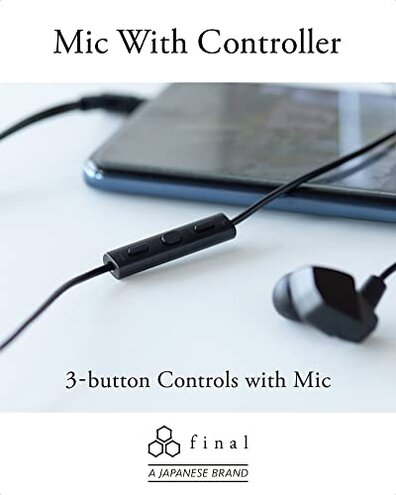
| Mic & controls | Unreliable inline microphone and button responses reported by many buyers, especially on phone calls and console adapters. | More consistent call quality and remote control behavior with typical mid-range models. |
| Durability | Higher-than-normal risk of cable wear and connector issues after routine use, seen repeatedly in longer-term reports. | Cleaner longevity expectations from most mid-range alternatives with reinforced cables. |
| Regret trigger | When expectations matter — buyers who want reliable spatial gaming sound and a durable daily headset often regret this purchase. | Lower regret when buyers accept modest imaging and standard-build durability from other mid-range options. |
Does it actually create an immersive, directional gaming soundstage?
Regret moment: Many buyers expected clear left-right and depth cues for games and VR, but instead reported a flatter sound image on first use.
Pattern: This is a commonly reported primary issue, appearing across reviews from day one and during extended sessions.
Category contrast: For a mid-range gaming earphone, the spatial effect is less distinct than buyers reasonably expect, making positional audio less useful in competitive or exploratory play.
Will these stay comfortable and seal properly?
- Early sign: Poor bass or weak low-end is commonly noticed on first setup when the seal is incorrect.
- Frequency tier: This is a primary issue for many buyers who report swapping tips immediately.
- Cause: Proprietary eartips require correct selection and fit, and buyers often miss the softer/harder pair differentiation.
- Impact: A bad seal reduces perceived spatial imaging and isolation, making the advertised VR experience unobtainable.
- Hidden requirement: Using the correct supplied tip is often mandatory for usable sound, which is more fiddly than most mid-range earphones.
Is the microphone and inline control reliable for calls and in-game chat?
- Primary failure: Inline microphone reports are commonly unreliable during phone calls and console chat.
- When it shows up: Problems appear on first use and persist during daily voice chats and longer sessions.
- Cause signal: Buyers repeatedly note muffled pickup and inconsistent button responses across phones and PCs.
- Device scope: The issue is seen across multiple devices, making it a cross-device problem rather than an isolated pairing quirk.
- Attempts to fix: Users commonly try swapping tips, changing ports, or using adapters with only partial improvement.
- Fixability: Often requires external workaround like a dedicated USB sound adapter for better mic consistency.
- Category contrast: Microphone reliability here is noticeably worse than typical mid-range gaming earphones, which tend to have predictable call performance.
Will the cable and controls last under daily use?
- Common report: Cable fraying and intermittent left/right sound loss appear repeatedly after weeks to months for many buyers.
- When it worsens: Problems increase with daily handling, portable storage, and extended gaming sessions.
- Visible cause: Buyers point to stress at the connector and inline control area as frequent failure points.
- Impact on use: Sudden audio dropout during gameplay or calls is a disruptive failure and was reported more than typical for this category.
- Attempted remedies: Users report soldering, twisting, or replacement as workarounds, which add time and cost.
- Scope: This durability thread shows up across both early adopters and longer-term users, making it a persistent concern.
- Category contrast: Durability falls short of a reasonable mid-range baseline where reinforced cables or strain relief are expected.
- Hidden cost: Repairs or replacements are commonly needed sooner than buyers expect, increasing total ownership cost.
Illustrative excerpts (not real quotes)
- "Sound feels flat, can't tell where enemies are located." — reflects a primary pattern about weak spatial imaging.
- "Mic was muffled on calls even after testing different phones." — reflects a secondary pattern about microphone inconsistency.
- "Ear tips must be swapped; otherwise bass disappears." — reflects a primary pattern and the hidden tip requirement.
- "Cable started crackling after a month of daily use." — reflects a secondary durability pattern.
Who should avoid this
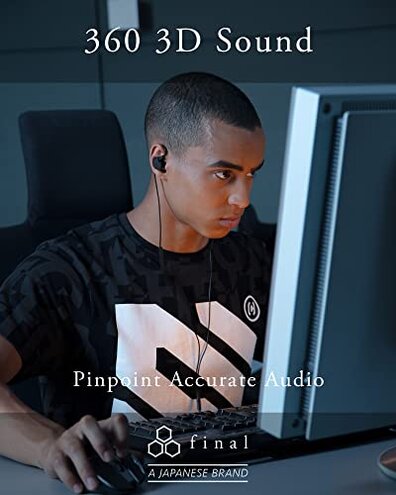
- Competitive gamers who depend on precise positional audio should avoid this product because spatial imaging is commonly weaker than expected.
- Frequent callers and streamers should avoid it due to persistent and cross-device microphone unreliability.
- Portable users who stash earphones in bags should avoid this because cable durability issues appear more often than normal.
Who this is actually good for
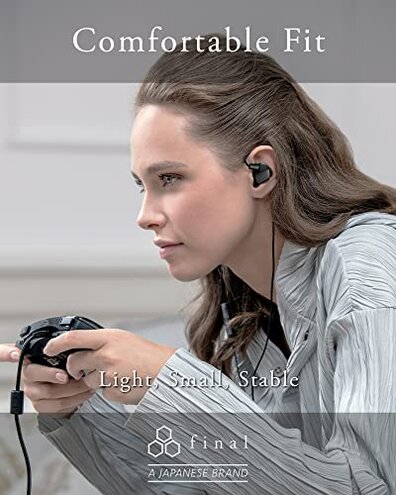
- Casual single-player gamers who want a roomy sound signature and can tolerate less precise imaging for immersion.
- Buyers on a short-term budget who accept possible earlier replacements in exchange for initial comfort or low weight.
- Users willing to tweak fit who are happy to test eartips for a better seal and temporarily fix mic issues with adapters.
Expectation vs reality
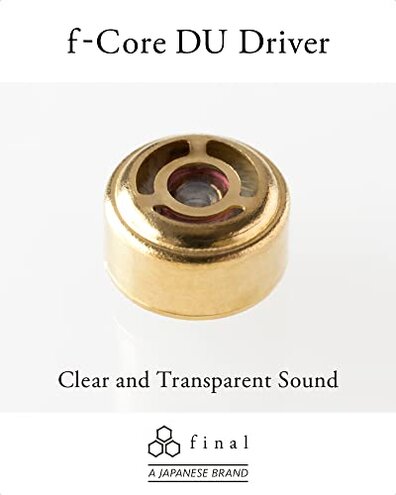
- Expectation (reasonable for category): Mid-range gaming earphones should give usable spatial cues for games.
- Reality: The VR3000 gives muted spatial cues unless you find the right eartip and listening level, which many buyers did not achieve.
- Expectation: Inline mic and controls should work reliably across phones and consoles.
- Reality: The mic is inconsistent across devices and often needs adapters or external mics for stable use.
Safer alternatives
- Choose reinforced cables — look for models that advertise strain relief or braided cables to neutralize the durability issue.
- Prioritize mic tests — pick earphones with recorded, verified mic samples or returns policies to avoid call-quality regret.
- Prefer universal tips — select headphones that ship with widely compatible silicone or foam tips to avoid hidden tip dependence.
- Check device compatibility — prefer earphones that explicitly list phone and console compatibility for inline controls.
The bottom line

Main regret trigger: The product's promise of immersive spatial gaming sound often falls short unless you hit a correct tip and setup.
Why it matters: That imaging shortfall plus a higher-than-normal risk of cable and mic problems makes this a risky pick if you need dependable daily performance.
Verdict: Avoid if you require reliable positional audio, call quality, or long-term durability; consider it only if you accept extra setup and possible early replacement.
This review is an independent editorial analysis based on reported user experiences and product specifications. NegReview.com does not sell products.