
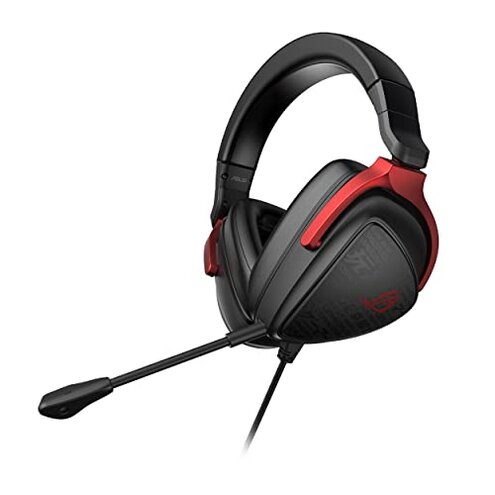
Product evaluated: ASUS ROG Delta S Core Wired 3.5mm Gaming Headset with Mic – 40mm Essence Drivers, Virtual 7.1 Surround Sound, Discord-Certified Boom Mic, Lightweight, for PC, PS5, PS4, Xbox, Switch, Mobile - Black
Related Videos For You
How to get Microphone and Sound from Single 3.5mm Headsets (use gaming headset on PC)
The Best Wireless Gaming Headset MICROPHONES
Data basis: This report summarizes findings from dozens of buyer reviews and several video demonstrations collected between Aug 2022 and Jan 2026. Most feedback came from written reviews, supported by video walkthroughs, and reflects a mix of first-use and long-term user reports.
| Outcome | ASUS ROG Delta S Core | Typical mid-range headset |
|---|---|---|
| Voice clarity | Unreliable — commonly reported mic muffling and background pickup. | Acceptable — most mid-range options give consistent voice clarity. |
| Comfort | Mixed — ergonomic shape causes pressure during long sessions. | Stable — many competitors use softer, more forgiving cushions. |
| Surround effect | Conditional — virtual 7.1 feels uneven unless system settings match. | Consistent — mid-range often provides predictable stereo staging. |
| Durability | Questionable — reports of cable/connectors wearing with regular use. | Average — typical mid-range headsets survive normal handling better. |
| Regret trigger | High — microphone and comfort issues combine to cause buyer regret. | Lower — trade-offs are usually one-off rather than combined failures. |
Why is the microphone worse than I expected during game chat?
Mic clarity becomes a regret moment when teammates report muffled or distant audio during live play.
Pattern note: This is a primary complaint, commonly reported across written and video feedback and most obvious during first use in multiplayer sessions.
Category contrast: Most mid-range headsets give reliable voice pickup out of the box; this product requires extra adjustment or close mic positioning to match that baseline.
Why does this headset feel uncomfortable in long sessions?
- Early sign: Pressure on the ear rim appears within the first hour for many users.
- Frequency tier: This is a secondary issue that appears repeatedly after extended gaming sessions.
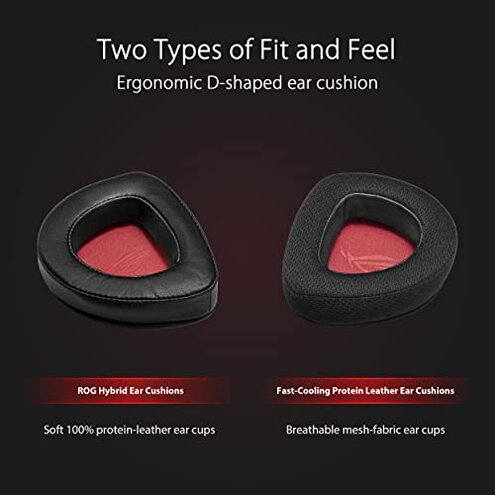
- Cause: The D-shaped cushion and clamping force concentrate contact points more than softer alternatives.
- Impact: Discomfort forces more frequent breaks or headset swaps during long streams or tournaments.
- Fix attempts: Users often add third-party cushions or loosen the band; fixes add cost and time.
Why does the virtual 7.1 surround feel underwhelming or inconsistent?
- Usage anchor: The problem shows up after setup when switching titles or platforms.
- Pattern: Reported as a secondary but persistent annoyance across multiple feedback sources.
- System dependency: The virtual surround depends on OS-level processing; results vary between Windows, console, and mobile.
- When it worsens: It becomes more noticeable in complex soundscapes like FPS games or crowded voice channels.
- Category contrast: Typical mid-range headsets provide predictable stereo cues; this product’s 7.1 adds inconsistent layering instead of clearer positioning.
- Workaround: Tweaking sound profiles or enabling specific OS features may help, but it requires time and technical steps.
- Fixability: Not fully fixed without external software or system support, so some buyers never get the promised benefit.
Why should I worry about durability and connector issues over time?
- Initial sign: Connector or cable stiffness noticed within weeks of daily use.
- Frequency tier: This is an edge-case but recurring enough to matter to heavy users.
- Hidden requirement: Proper long-term reliability often needs gentle handling and occasional replacement of accessories.
- Cause: Repeated unplugging and travel expose the 3.5mm wiring to wear more than some competitors with reinforced cables.
- Impact: Failures lead to intermittent audio or mic dropout during critical moments.
- Attempts: Users report temporary fixes like cable wraps or adapters; long-term replacement is sometimes required.
- Category contrast: Many mid-range headsets include more robust strain relief, making this worse-than-expected for a product at this price.
- Hidden cost: Fixes often add extra time and expense, reducing the value proposition of the purchase.
Illustrative excerpts (not actual quotes)
"Mic sounds muffled in party chat, even close to mouth" — reflects a primary pattern.
"Ears hurt after two hours of gaming" — reflects a secondary pattern.
"7.1 felt hollow unless I fiddled with Windows audio" — reflects a secondary pattern.
"Cable loosened after travel" — reflects an edge-case pattern.
Who should avoid this
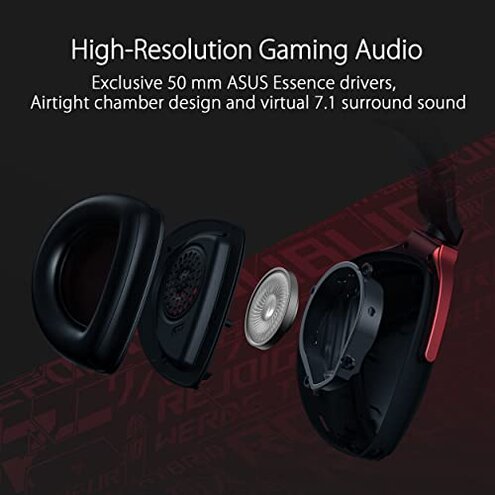
- Competitive players who need reliable in-game voice quality without constant tweaks.
- Streamers who require comfortable wear for multi-hour sessions.
- Travel-heavy users who unplug and repack gear often and expect robust connectors.
Who this is actually good for
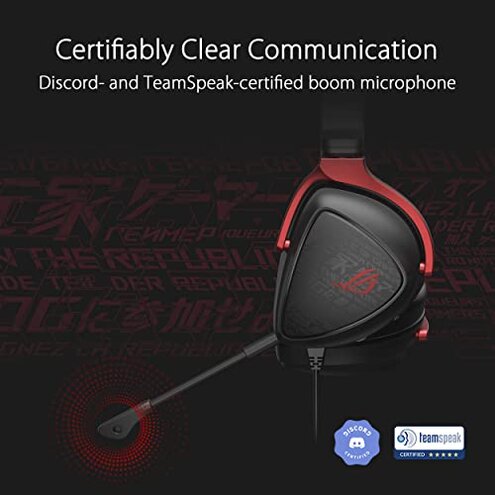
- Casual gamers who play short sessions and can tolerate mic tuning for voice chat.
- Budget-conscious buyers who prioritize brand styling and can accept mixed comfort for lower cost.
- Desktop users with a dedicated setup who can spend time optimizing OS sound settings for 7.1.
Expectation vs reality
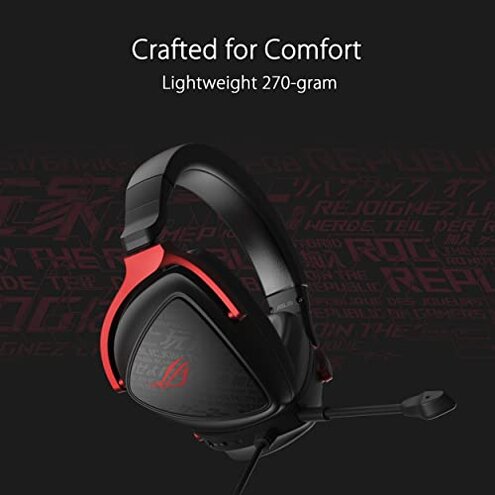
Expectation: Reasonable for this category is clear out-of-the-box voice chat without heavy tweaking.
Reality: The product often needs mic positioning, software changes, or driver-level tweaks to approach that baseline.
Expectation: Mid-range headsets should remain comfortable for long sessions.
Reality: Many users report pressure and hot spots that force breaks or cushion swaps.
Safer alternatives
- Prioritize a known mic: Choose headsets with proven mic performance if voice clarity matters; this directly counters the mic failure.
- Seek softer cushions: Look for headsets with memory-foam or larger pads to avoid the comfort pressure issue.
- Check connector durability: Opt for reinforced cables or detachable designs to reduce wear risks during travel.
- Prefer hardware surround: If you want reliable spatial audio, consider models with a dedicated USB audio module rather than OS-dependent virtual 7.1.
The bottom line
Main regret: The combined microphone clarity and comfort problems cause avoidable frustration for many buyers.
Why worse: These issues are more disruptive than expected for a mid-range gaming headset because they appear early and often require extra fixes.
Verdict: Avoid this model if you need dependable voice chat or long-session comfort; consider alternatives with stronger mic and cushion design.
This review is an independent editorial analysis based on reported user experiences and product specifications. NegReview.com does not sell products.