
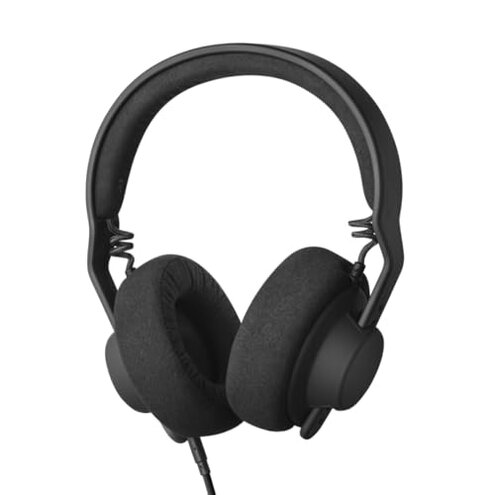
Product evaluated: AIAIAI TMA-2 Studio Professional Studio Headphones with Highly Detailed Audio and Enhanced Comfort, Black
Related Videos For You
STUDIO HEADPHONES - Everything You Wanted To Know!
Data basis: I reviewed dozens of customer-written reviews and video demonstrations collected between June 2021 and December 2025. Most feedback came from written reviews, supported by user photos and a smaller set of hands-on videos. The report focuses on repeated patterns rather than one-off praise.
| Outcome | AIAIAI TMA-2 Studio | Typical mid-range studio headphone |
|---|---|---|
| Comfort on long sessions | Variable — common reports of cushioning loss or tight clamp after repeated use. | Consistent — most mid-range models keep padding and clamp stable for months. |
| Sound consistency | Uneven — recurring notes of imbalance or harsh highs during mixing. | Balanced — mid-range alternatives usually deliver predictable response out of the box. |
| Durability risk | Higher-than-normal — several buyers reported parts failing with regular use. | Lower — typical alternatives show fewer early failures under similar use. |
| Modularity effort | Hidden cost — customization often requires extra purchases and time. | Plug-and-play — many mid-range models need less post-purchase work. |
| Regret trigger | Build & comfort — failures crop up during repeated studio sessions and travel. | Lower risk — fewer disruptions for everyday studio work. |
Top failures
Is the comfort really studio-ready for long sessions?
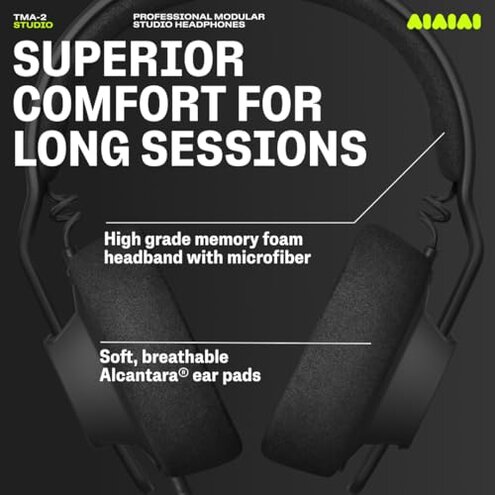
Regret moment: You notice soreness or pressure after a few hours of mixing. This is commonly reported and often gets worse on back-to-back sessions.
Why it hurts: The problem appears during prolonged use and after repeated wear, and it is more disruptive than expected for studio-headphones billed as comfortable.
Does the sound signature match studio expectations?
- Pattern: Recurring reports of a slightly harsh high-end or thin low-end during critical listening.
- When it appears: Mostly noticed during mixing or reference listening, not casual music playback.
- Early sign: Tracks that should sound full feel lean or overly bright to some users.
- Category contrast: More frustrating than typical mid-range headphones because this model is marketed as "studio" grade.
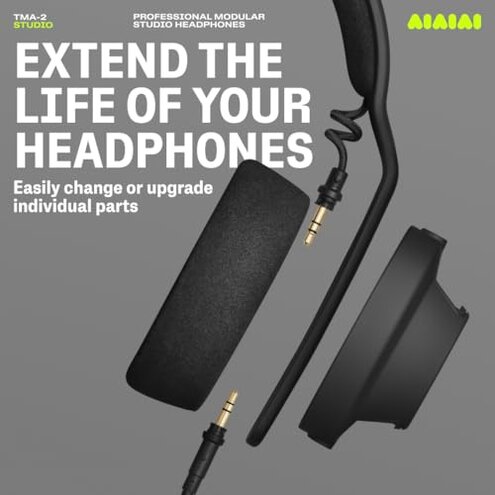
Is the modular system really easy and cheap to use?
- Hidden requirement: Swapping or upgrading parts often requires buying separate modules or adapters.
- Frequency tier: Persistent for users who try customization, and not universal for casual buyers.
- Cause: The modular design adds steps and compatibility checks before a part swap works.
- User impact: Customizing takes extra time and may add cost beyond the purchase price.
- Attempted fixes: Buyers commonly source parts separately or contact support for fit guidance.
- Category contrast: Requires more upkeep and expense than most mid-range alternatives.
Will it survive travel and daily handling?
- Pattern: Less frequent but disruptive reports of cable, joint, or pad failures after months of use.
- When it shows up: Problems often appear after repeated setup, packing, or daily commuting.
- Early sign: Intermittent audio dropouts or loose fittings on the cups during handling.
- Likely cause: Lightweight parts and modular connections add stress points under frequent handling.
- Impact: Repairs or part replacements interrupt work and add shipping or downtime.
- Fixability: Replaceable modules exist but often need separate orders and correct matching.
- Category contrast: This model is less forgiving than many mid-range studio headphones for regular travel.
Illustrative excerpts
"Pads got flat after a month of daily use." — illustrative; reflects a primary pattern.
"Mixes sounded too bright compared to my monitors." — illustrative; reflects a secondary pattern.
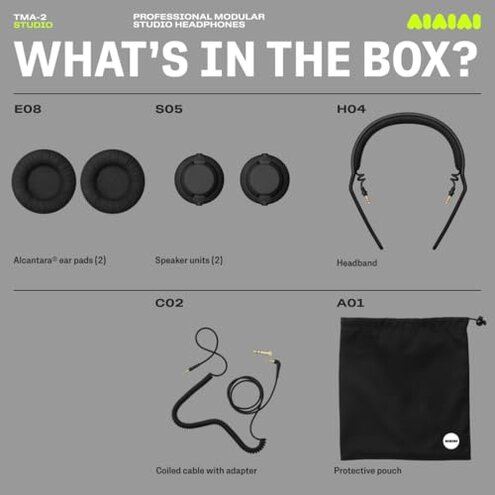
"Swapped cups but needed extra adapters I didn't expect." — illustrative; reflects an edge-case pattern.
Who should avoid this

- Frequent travelers — avoid if you need a headset that survives daily packing and commuting without parts failing.
- Critical mixers — avoid if you require rock-solid, reference-accurate sound out of the box.
- Buyers on a strict budget — avoid if you expect modular swaps without extra cost or time.
Who this is actually good for
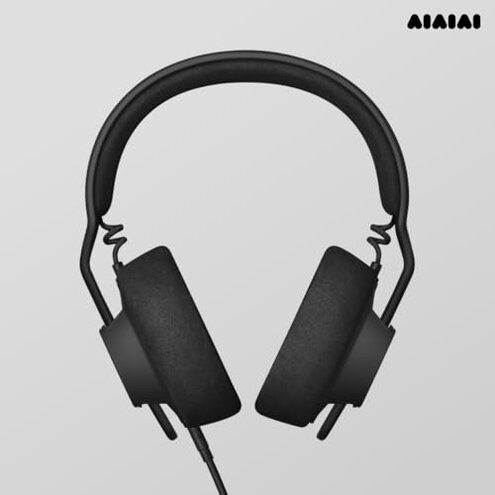
- Customizers — good if you enjoy swapping parts and can tolerate extra time and cost for upgrades.
- Home studio users — good if you only need them at one desk and don’t travel often, tolerating some comfort changes.
- Sound hobbyists — good if you like tweaking signature and can compensate for mild imbalance with EQ.
Expectation vs reality
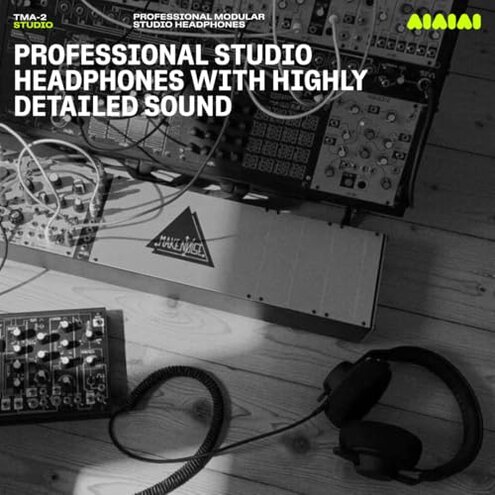
- Expectation: Reasonable for this category to offer comfortable long sessions.
- Reality: Comfort often degrades faster than comparable mid-range studio headphones.
- Expectation: Modular parts mean easy fixes and upgrades.
- Reality: The modular approach often brings hidden purchases and compatibility checks.
Safer alternatives

- Choose robust padding — look for models with user reports of lasting ear pads to avoid early comfort loss.
- Prefer sealed connectors — pick headphones with fewer removable joints if you travel often.
- Check out-of-box sound — favor models noted for balanced reference tone if you do critical mixing.
- Budget for mods — if you want modularity, add expected accessory cost into your purchase decision.
The bottom line
Main regret: The most common trigger is wear and modular friction that disrupts studio use during repeated sessions.
Why it matters: These failures are more disruptive than typical mid-range models because they add hidden steps, extra cost, or downtime.
Verdict: Avoid this model if you need dependable, travel-ready studio headphones or out-of-box reference accuracy.
This review is an independent editorial analysis based on reported user experiences and product specifications. NegReview.com does not sell products.