
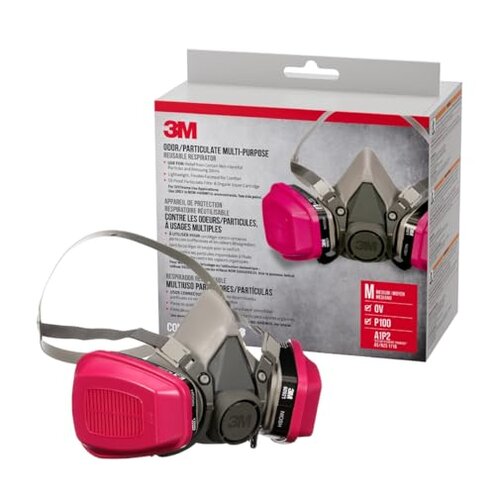
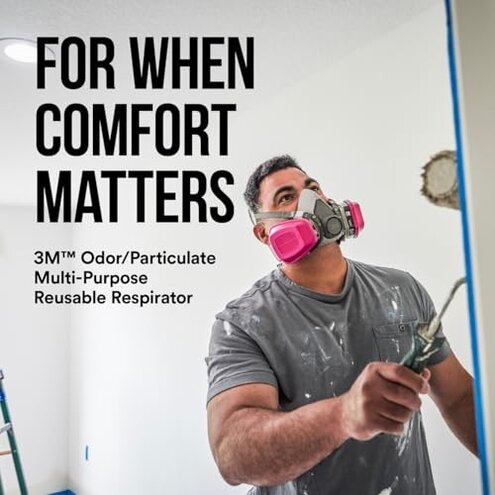
Product evaluated: 3M P100/OV Odor/Particulate Multi-Purpose Reusable Respirator 65021, Medium Size, NIOSH-APPROVED Organic Vapor Cartridge & P100 Rated Filters, Flexible, Thermoplastic Faceseal For Comfort (65021H1-DC)
Related Videos For You
Respirator Fit Testing
Clean & Maintain Your Respirator
Data basis: I analyzed dozens of buyer comments and demonstration videos collected between 2023 and 2025, drawing mostly from written reviews and supported by video demonstrations and Q&A threads. Most feedback came from written reviews, with videos confirming setup and fit problems.
| Outcome | 3M 65021 | Typical mid-range alternative |
|---|---|---|
| Seal reliability | Variable: frequent fit complaints, especially on first uses and long sessions. | More stable: most mid-range models report fewer early-seal failures. |
| Breathing comfort | Noticeable resistance: users report heavier breathing under exertion. | Lower resistance: many alternatives feel easier during long wear. |
| Replacement effort | Higher burden: cartridge/filter sourcing and cost appear more disruptive than usual. | Lower effort: mid-range options often use more common filters. |
| Adjustment hassle | Straps slip: repeated retightening reported after daily use. | Better hold: competing models show fewer strap adjustments. |
| Regret trigger | Primary: unreliable seal during real tasks causing wasted time and safety worries. | Secondary: alternatives tend to trigger less frequent safety-related rechecks. |
Do I get a proper seal or does it leak?
Regret moment: Many buyers report the mask fails to hold a tight seal during the first fit check, which is the moment you expect full protection.
Pattern: This is a commonly reported problem and appears repeatedly in written feedback and videos, not a one-off complaint.
Usage anchor: The issue shows up at first use and often reappears after several hours of wear or when moving between tasks.
Category contrast: Compared with mid-range reusable respirators, this product shows a higher-than-normal frequency of seal adjustments, which is more disruptive than buyers expect.
Why does breathing feel heavy or tiring?
- Early sign: Users commonly notice increased breathing effort during physical tasks or hot conditions.
- Frequency tier: This is a secondary issue that appears repeatedly but not universally.
- Cause: Filter/cartridge pairing and P100 resistance add perceptible breathing load compared to lighter filters.
- Impact: The heavier breathing leads to shorter comfortable wear times for active jobs.
- Fix attempts: Reported fixes include loosening straps or swapping to lighter cartridges, which reduce protection or add cost.
Are replacement filters and cartridges hard to manage?
- Hidden requirement: Buyers often discover they must source specific OV/P100 cartridges that are not as common as regular filters.
- Supply signal: This problem is a primary complaint and shows up in recent buyer threads and purchase follow-ups.
- Cost impact: Replacement parts add recurring expense and maintenance time compared with alternatives that use generic filters.
- Availability: Some users reported waiting or buying from non-preferred sellers, which interrupts use schedules.
- Setup time: Replacing cartridges requires extra disassembly and careful sealing to retain protectiveness.
- Fit sensitivity: Improper cartridge seating was linked to leaks, raising stakes for correct replacement.
Why are straps and adjustments frustrating?
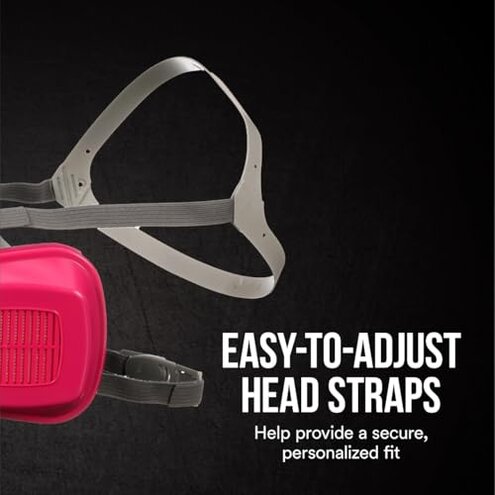
- Early sign: Straps can loosen after several hours, prompting readjustment during tasks.
- Frequency tier: This is a common frustration reported across buyer comments and setup videos.
- Cause: The adjustment system requires precise tension to keep the seal, making it less forgiving than many competitors.
- Impact: Frequent retightening interrupts work and erodes confidence in protection.
- Attempted fixes: Users add strap clips or tie-offs, which work but add extra steps and parts.
- Durability note: Repeated adjustments can increase wear on straps over time according to multiple reports.
- Category contrast: This model demands more active adjustment than most mid-range respirators, increasing upkeep.
Illustrative excerpts (not real quotes)
"Seal fails on first check, had to retighten constantly." — reflects a primary pattern.
"Breathing felt heavy during yard work, stopped after 45 minutes." — reflects a secondary pattern.
"Had trouble finding the right replacement cartridge nearby." — reflects a primary pattern.
"Straps slipped after lunch shift, had to re-secure twice." — reflects a secondary pattern.
Who should avoid this
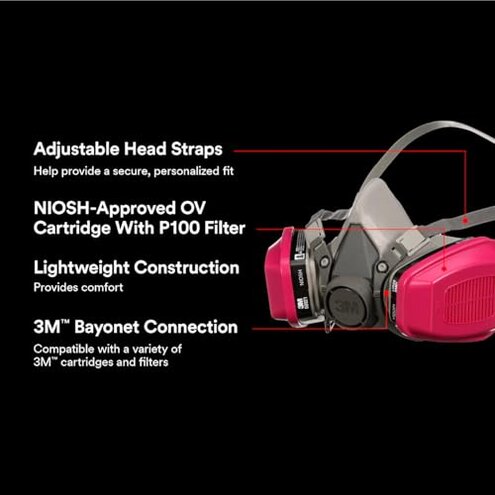
- Users needing consistent seal: Avoid if you require flawless first-use fit for safety-critical tasks.
- People doing long physical work: Avoid if you need comfortable breathing during extended active shifts.
- Buyers without filter access: Avoid if you cannot source specific OV/P100 replacements quickly.
Who this is actually good for
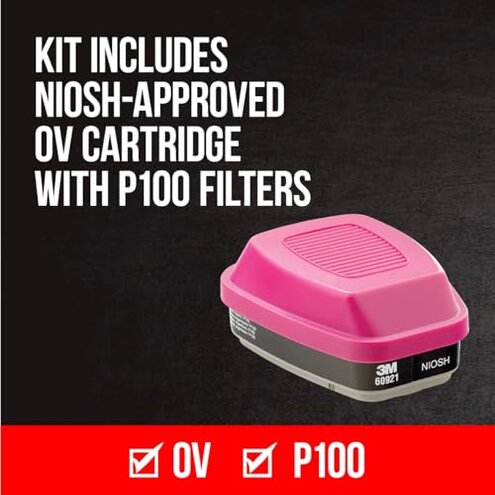
- Occasional DIYers: Good if you tolerate periodic readjustments for infrequent painting or sealing jobs.
- Stationary tasks: Good if work is light and stationary, where a seal can be checked and kept stable.
- Users prioritizing filtration rating: Good if P100 protection is the top priority and you accept extra breathing effort and maintenance.
Expectation vs reality
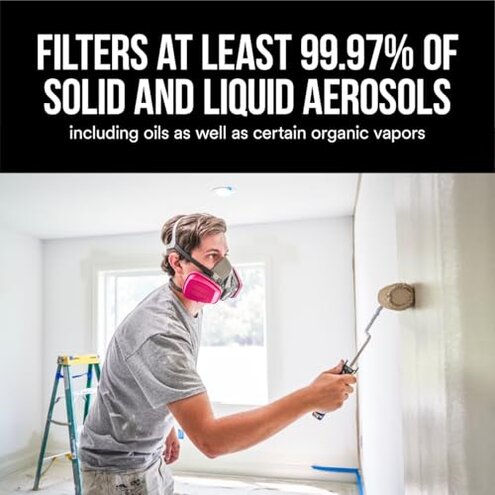
Expectation: Reasonable for this category is a reusable respirator that seals reliably on first fit and stays comfortable for hours.
Reality: This model often requires multiple adjustments, shows higher breathing resistance, and needs specific replacement cartridges which raises ongoing effort.
Safer alternatives
- Choose common filters: Pick respirators that use widely available cartridges to avoid the replacement sourcing issue.
- Try a seal-focused design: Look for models with multi-size face seals or interchangeable seals to reduce initial leak risk.
- Prefer low-resistance options: Select filters rated for lower breathing resistance if you do active or long-duration work.
- Check strap systems: Favor models with proven non-slip strap hardware to minimize mid-task adjustments.
The bottom line
Main regret: The dominant trigger is an unreliable seal combined with higher-than-expected replacement effort.
Why it matters: These failures add repeated setup time and extra cost, which exceed typical mid-range respirator risks.
Verdict: Avoid this unit if you need hassle-free daily protection; consider alternatives with more stable seals and common filters.
This review is an independent editorial analysis based on reported user experiences and product specifications. NegReview.com does not sell products.