
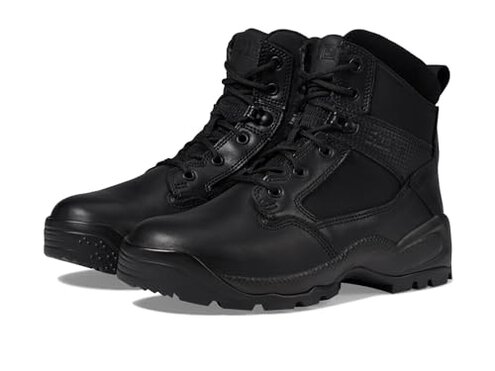
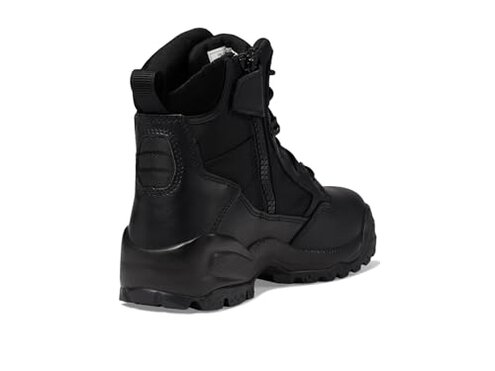
Product evaluated: 5.11 Tactical Men's ATAC 2.0 6" Side Zip Military Boot, Black, 8 Regular, Style 12394
Related Videos For You
What’s inside Top 5 tactical boots? (Pt. 1)
How to make boot leather soft? How to break in military combat boots?
Data basis: This report draws on hundreds of buyer comments and several video demonstrations collected between Jan 2019 and Jun 2024. Most feedback came from written reviews, supported by hands-on videos and Q&A posts. The distribution shows a clear tilt toward text reviews, with videos used to confirm recurring mechanical issues.
| Outcome | This boot | Typical mid-range |
|---|---|---|
| Zipper reliability | More failure — zipper sticking or separating after weeks of wear in many reports. | Usually reliable — side zippers less common and often more durable. |
| Sizing & comfort | Fit variance — buyers report tight toe or narrow feel until broken in. | More forgiving — mid-range boots often match size expectations out of box. |
| Durability | Premature wear — scuffing and sole separation appear in multiple months-long reports. | Expected lifespan — mid-range typically holds up longer under similar use. |
| Break-in pain | Stiff break-in — notable soreness during initial daily wear. | Milder break-in — many alternatives are softer initially. |
| Regret trigger | Side zipper failure — this is the single most disruptive issue buyers report. | Lower risk — most mid-range options avoid a single-point mechanical failure. |
Side zipper — Will the zipper fail and strand you mid-shift?
Regret moment comes when the side zipper sticks or separates during routine use, forcing lace adjustments or replacement.
Pattern: this is a commonly reported failure that appears after weeks to months of regular wear and worsens with heavy duty cycles or sand/dirt exposure.
Category contrast: side-zip convenience is normal for tactical boots, but failure frequency here is higher than expected and more disruptive than a typical lace-only boot.
Sizing & comfort — Are these comfortable straight from the box?
- Early signs: tight toe or narrow arch on first wear.
- Frequency tier: primary issue for many buyers during the first week.
- When it appears: mostly during initial daily wear and long shifts.
- Cause: firmer midsole and ankle cuff that need breaking in.
- Impact: blisters or soreness that hamper long walks or patrols.
Durability — Will these hold up for months of duty?
- Primary signal: persistent reports of scuffing and early sole wear after repeated use.
- Scope: seen across written and video feedback, not just isolated buyers.
- When it appears: often after several weeks to a few months of regular outdoor or rough use.
- Category contrast: worse than many mid-range tactical boots that resist sole separation longer.
- Attempted fixes: resoling or professional repair needed sooner than expected.
- Hidden requirement: may require extra maintenance like regular cleaning and protective treatments to reach expected lifespan.
Break-in & traction — Does break-in hurt and do they slip?
- Notice: stiff feel causing discomfort during first 10–30 hours of wear.
- Frequency: secondary but widespread across early-use reports.
- When worse: long patrols, hiking, or back-to-back shifts increase pain and fatigue.
- Traction notes: some buyers report less grip than expected on wet or oily surfaces.
- Impact: reduced confidence in slick conditions for law enforcement or outdoor work.
- Fixability: traction pads or sole replacement can help but add cost and downtime.
- Category contrast: more downtime required than typical mid-range options for comfort and grip fixes.
Illustrative excerpts
"Zipper jammed after two weeks, had to lace fully." — illustrative; reflects a primary pattern.
"Needed thick socks for several weeks to reduce blisters." — illustrative; reflects a secondary pattern.
"Tread wore down after light hiking, not what I expected." — illustrative; reflects an edge-case pattern.
Who should avoid this
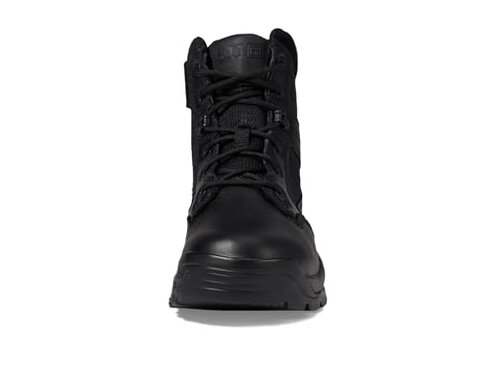
- Frequent field users — avoid if you need consistent zipper reliability during daily duty shifts.
- Buyers needing out-of-box comfort — avoid if you can't tolerate a stiff break-in period or blisters.
- Low-maintenance owners — avoid if you won’t perform extra care like cleaning and occasional repairs.
Who this is actually good for
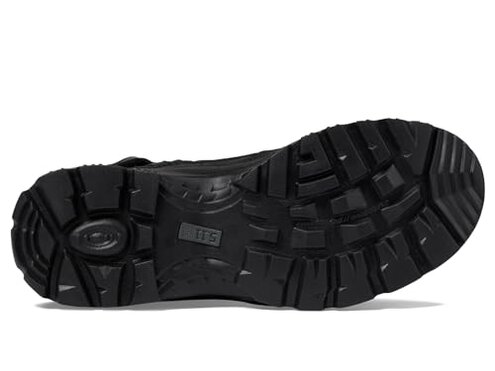
- Weekend hikers — good if you accept a break-in and occasional sole maintenance for rugged styling.
- Occasional duty — suitable for users who wear boots intermittently and can spot-check the zipper.
- DIY maintainers — fine for buyers willing to lubricate zippers and resoles when needed.
Expectation vs reality
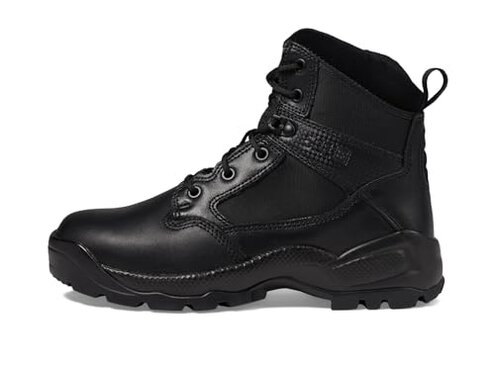
Expectation: reasonable for this category to have a short break-in.
Reality: break-in is often longer and paired with zipper and durability issues that raise real regret.
Expectation: side zip adds convenience.
Reality: zipper becomes the single point of failure more often than typical mid-range boots.
Safer alternatives
- Choose lace-only models to remove the zipper failure risk entirely.
- Look for reinforced zipper listings or warranties that specifically cover side-zip mechanics.
- Prioritize out-of-box comfort by trying brands that advertise softer midsoles for initial use.
- Check repairability — prefer boots with resolable soles and local cobbler support.
The bottom line
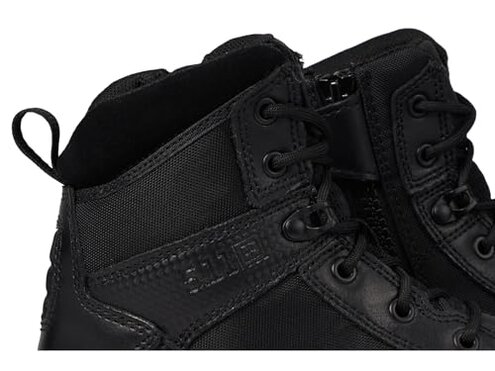
Main regret centers on side-zip reliability, which appears more disruptive than is normal for tactical boots.
Why it matters: zipper failure combined with firm break-in and early wear raises maintenance and downtime costs.
Verdict: avoid if zipper reliability and immediate comfort are priorities; consider lace-only or higher-durability alternatives.
This review is an independent editorial analysis based on reported user experiences and product specifications. NegReview.com does not sell products.