
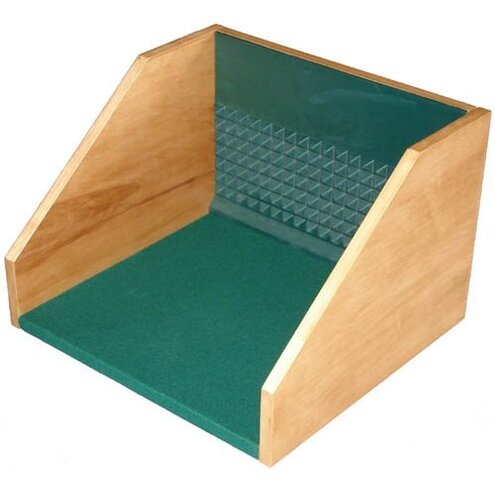
Product evaluated: AccuCraps Portable Craps Practice Table - Foam Underlayment
Related Videos For You
DIY How to build a portable craps table at home - Learn how to play Craps
My Favorite Craps Strategy on a $10 Table
Data basis: This report summarizes dozens of buyer feedback points collected from written comments and video demonstrations between 2020 and 2026. Most feedback came from longer written impressions, with shorter demo-style clips and product photos helping confirm setup friction, realism gaps, and space-related complaints.
| Buyer outcome | AccuCraps portable table | Typical mid-range alternative |
| Practice realism | Mixed feel if you expect casino-like bounce right away | More predictable once leveled on a steady surface |
| Setup effort | Higher friction because table position and support surface matter more | Usually simpler for casual home sessions |
| Room fit | Limited use if your practice area is small or shared | Often easier to leave out or move around |
| Category risk | Above normal sensitivity to where and how you use it | More forgiving of normal home conditions |
| Regret trigger | Looks serious but still needs extra adjustment to feel right | Lower risk of disappointment for casual practice |
Does it feel less realistic than you expected?
This is the primary issue. The regret moment usually comes after setup, when the table looks convincing but the throwing feel still takes trial and error. Recurring feedback points to bounce and response being more sensitive than expected for home practice gear.
That matters because this category already asks buyers to accept some compromise. Compared with a typical mid-range practice option, the realism gap feels more frustrating when the product presentation leans hard on casino-style cues.
- Pattern: Commonly reported by buyers who expected close carryover to real-table practice.
- When: First sessions are where disappointment shows up, especially after trying repeated throws to find a consistent feel.
- Worsens with: Long sessions on uneven or soft household surfaces that change rebound behavior.
- Why it stings: More disruptive than expected in this category because realism is the whole reason many buyers shop for a dedicated practice table.
- Visible sign: Throws vary more than you expect even when your motion stays similar.
- Buyer response: Users often adjust angle, force, and placement rather than trusting instant out-of-box results.
- Fixability: Partly fixable, but only if you are willing to experiment with surface support and throwing style.
Illustrative excerpt: “Looks great, but my practice throws didn’t translate like I expected.” Primary pattern.
Will setup take more tweaking than a portable table should?
- Tier: Secondary issue, but it appears repeatedly among buyers wanting quick drop-in practice.
- Hidden requirement: You need a stable, suitable support surface or the table can feel inconsistent during use.
- When: Right away, especially if you try placing it on whatever desk, stand, or tabletop is available.
- Impact: Extra steps cut into spontaneous practice, which defeats the point of a portable format for some buyers.
- Comparison: Less forgiving than many mid-range alternatives that tolerate normal home furniture better.
- Attempted fixes: Buyers commonly try moving the table, changing room layout, or testing different support surfaces.
- Regret point: Portability helps storage, but not always easy everyday readiness.
Illustrative excerpt: “I expected quick practice, but I kept repositioning the whole setup.” Secondary pattern.
Is the size awkward for normal home use?
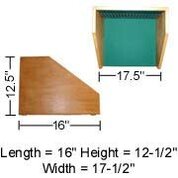
This is a persistent complaint. The issue usually appears during daily use, not while reading the size specs. Buyers can understand the dimensions on paper, yet still find the footprint awkward once it shares space with chairs, desks, or stored items.
Why that feels worse than normal is simple. Portable products are expected to be easier to fit into casual routines, but this one can demand a more dedicated area than shoppers mentally budget for.
- Context: After setup, some buyers realize they need more clear throwing space than expected.
- Frequency: Not universal, but common enough among apartment or shared-room users to matter.
- Usage strain: Frequent moving makes sessions less convenient than leaving a simpler practice aid in place.
- Category contrast: More intrusive than a typical mid-range home practice option designed around easier room fit.
Illustrative excerpt: “Portable is true for storage, not for using it comfortably every night.” Secondary pattern.
Do the premium-style details create the wrong expectation?
- Core problem: Presentation cues can make buyers expect a closer casino substitute than home practice can reliably deliver.
- Pattern: Less frequent than realism complaints, but more frustrating when it happens because the mismatch feels personal.
- When: After unboxing, once buyers compare the serious look against actual session results.
- Impact: Expectation gap increases the chance of return thinking, even if build quality itself seems acceptable.
- Why worse than normal: Most mid-range alternatives signal compromise more clearly, so buyers come in with more realistic expectations.
- Mitigation: Best case is treating it as a repetition tool, not a true casino stand-in.
Illustrative excerpt: “The finish felt premium, but the practice payoff felt more limited.” Edge-case pattern.
Who should avoid this
- Avoid it if you want instant realism without dialing in surface, placement, and throwing adjustments.
- Avoid it if your room is tight or shared, because space limits show up during real sessions, not just on a spec sheet.
- Avoid it if you expect portable to mean quick start and low setup thought every time.
- Avoid it if you are very sensitive to expectation mismatch between a casino-style look and home-practice results.
Who this is actually good for
- Good fit for buyers who want a repeatable drill tool and can tolerate some realism compromise.
- Good fit if you already have a stable dedicated surface, which reduces the setup friction described above.
- Good fit for hobby users with enough room to leave a practice area mostly ready.
- Good fit if you care more about home repetition than exact casino carryover.
Expectation vs reality
Expectation: A portable practice table should be easy to place on normal home furniture.
Reality: Placement matters more than expected, and the wrong support surface can change the whole session feel.
Expectation: Casino-style cues should bring close realism from the first few sessions.
Reality: Common feedback suggests the learning and adjustment curve is higher than many casual buyers expect.
Expectation: Reasonable for this category is some compromise, but still a fairly forgiving home setup.
Reality: This product shows worse-than-expected sensitivity to setup conditions, which raises regret risk beyond a typical mid-range option.
Safer alternatives
- Choose simpler practice options if your main goal is quick daily reps without setup tweaking.
- Prioritize forgiving home-use designs if you do not have a stable dedicated surface.
- Look for compact practice gear if your biggest risk is shared-space frustration.
- Shop for realistic expectation-setting in product demos, not just premium styling, to reduce the appearance-versus-performance gap.
The bottom line
Main regret trigger: Buyers expect serious realism, then discover the table is more setup-sensitive and less forgiving than a normal mid-range alternative. That risk exceeds typical category compromise because realism and convenience are the main reasons to buy this kind of product. Verdict: avoid it if you want plug-and-play home practice, but consider it if you can tolerate adjustment and have a stable dedicated setup.
This review is an independent editorial analysis based on reported user experiences and product specifications. NegReview.com does not sell products.