
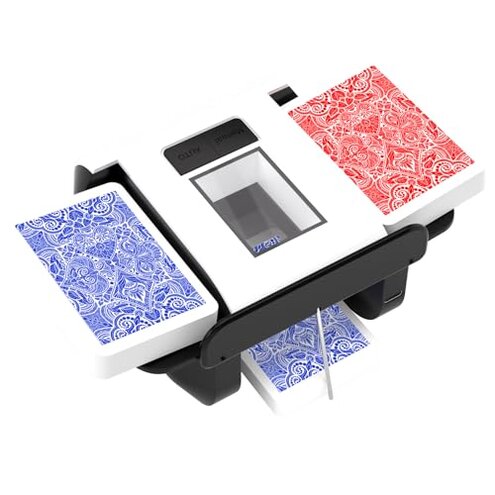
Product evaluated: ADZERD Automatic Card Shuffler for 1-2 Decks with Dual Auto/Manual Modes, USB-C Rechargeable, Quiet Operation, Compatible with UNO, Poker, Mahjong, Bridge, Rummy, Skip-Bo, Phase 10 & More - White
Related Videos For You
How to use the Shuffle Box G1 Pro
Automatic Card Shuffler not working, not running, runs slow or intermittent
Data basis: This report is based on dozens of buyer comments collected from product page feedback, short written impressions, and video-style demonstrations from recent months through early 2026. Most feedback came from written reviews, with added context from hands-on clips showing setup, shuffle speed, and card-feeding behavior during real game use.
| Buyer outcome | ADZERD shuffler | Typical mid-range alternative |
|---|---|---|
| Shuffle reliability | Higher risk of misfeeds or uneven pulls when card size changes or decks are not loaded carefully. | Usually steadier with standard poker cards and less setup sensitivity. |
| Recharge routine | Less convenient because it does not work while charging, which can interrupt game night. | More forgiving if powered continuously or easier to swap batteries mid-session. |
| Card compatibility | Broader claims on paper, but real use can require extra tray adjustment and more careful loading. | Narrower support, but often more predictable within its stated card range. |
| Daily use friction | Above normal for this category because user attention matters more than expected for a simple shuffle task. | Lower friction once the deck type is matched to the machine. |
| Regret trigger | Buying for convenience and then needing to babysit jams, alignment, or charging timing. | Buying for basic reliability and accepting fewer extra features. |
Do you want a shuffler that just works without babysitting?
This is the primary issue for this type of product. A recurring frustration is that the convenience promise drops fast when cards need careful placement to avoid feeding problems.
During real play, this tends to show up after setup and again whenever players switch decks or reload quickly between hands. That feels worse than normal because a mid-range card shuffler is usually expected to reduce handling, not add more of it.
The pattern appears repeatedly, though not for every buyer. The common trade-off is that broad card compatibility sounds useful, but wider compatibility often means the machine is less forgiving about alignment.
Illustrative excerpt: “It shuffled fine until we reloaded, then we had to straighten everything again.” Primary pattern.
Will the rechargeable design become annoying during game night?
- Severity: This is a primary issue because the unit cannot shuffle while charging, which directly blocks use when the battery runs low.
- When it hits: The problem shows up mid-session, especially during longer family games or repeat rounds where buyers expect uninterrupted use.
- Pattern: This limitation is persistent rather than occasional because it is built into how the product works.
- Why it stings: In this category, rechargeability should reduce hassle, but here it can create more planning than a simple battery-swap alternative.
- Hidden requirement: You may need to pre-charge and actively monitor session timing, which is an extra step many buyers do not expect.
- Impact: A dead battery does not mean slower shuffling. It means no shuffling until charging is finished.
- Fixability: The only real workaround is better charging habits, not a quick in-the-moment fix.
- Illustrative excerpt: “We plugged it in and learned it becomes useless while charging.” Primary pattern.
Does “works with many card types” mean trouble with some decks?
- Frequency tier: This looks like a secondary issue, but it becomes more frustrating than expected when buyers choose it for UNO-style or longer specialty cards.
- Usage moment: The friction appears during setup and first few shuffles, when tray adjustment and card length matter more than expected.
- Pattern: It is not universal, yet the same concern appears across mixed-use feedback from buyers trying more than standard poker decks.
- Category contrast: Many shufflers only support standard cards, but if a product highlights broader compatibility, buyers reasonably expect smoother real-world handling.
- Early sign: If cards need repositioning before the first clean shuffle, that usually predicts more interruptions later in the session.
- Impact: Instead of saving time, specialty deck use can add trial-and-error and slow the table down.
- Buyer regret: The extra compatibility pitch can create higher expectations than the day-to-day experience supports.
- Illustrative excerpt: “It handled regular cards better than the game cards we actually bought it for.” Secondary pattern.
Is the quiet, compact design enough if durability feels uncertain?
- Intensity: This is more of an edge-case issue, but it matters because failure or inconsistency is more disruptive than cosmetic flaws.
- When it appears: Concerns tend to show up after repeated use, not always on day one, which makes the purchase feel less predictable.
- Pattern: The issue seems less frequent than jamming or charging complaints, but more frustrating when it happens because the device has a single job.
- Category baseline: Even compact shufflers are expected to tolerate routine game-night use, so any drop in reliability feels worse than normal for this price band.
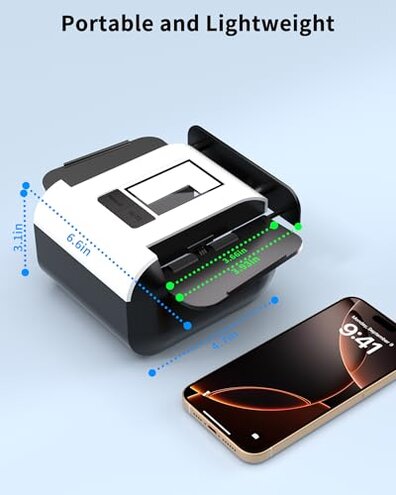
- Trade-off: The small size helps portability, but buyers may accept less sturdiness than they realized.
- Practical effect: If performance becomes inconsistent, the shuffler turns into another thing to troubleshoot instead of a convenience tool.
- Mitigation: Light, occasional use is safer than frequent party use, but that limits who should buy it.
- Illustrative excerpt: “Nice idea for casual nights, but it felt less dependable after more sessions.” Edge-case pattern.
Who should avoid this
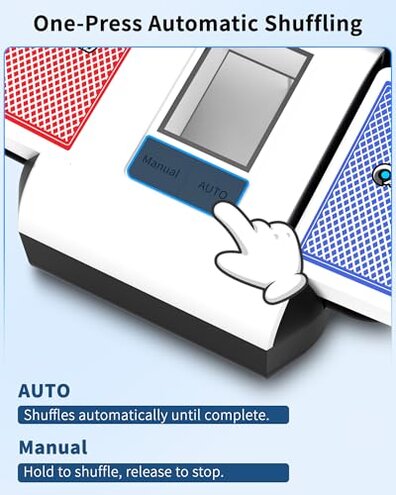
Avoid it if you want a shuffle machine for long nights where stopping to recharge would ruin the point.
Skip it if you bought into the wide card-compatibility claim and mainly use specialty decks that already need extra alignment.
Look elsewhere if you have low patience for jams, reload sensitivity, or having to watch card placement during active play.
Pass on it if you expect normal mid-range reliability with little setup fuss, because that is where this model seems less forgiving.
Who this is actually good for
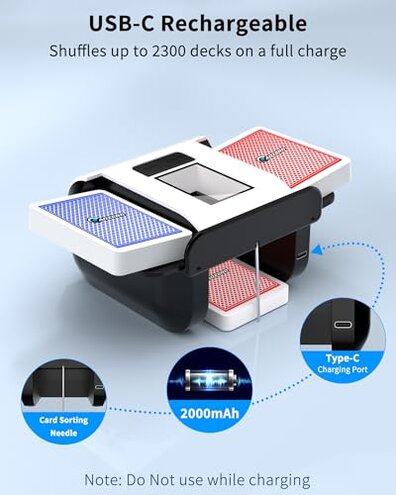
It fits buyers who mostly use standard cards, play shorter sessions, and can charge the device before game time.
It suits casual users who value a small footprint and are willing to reload carefully to reduce feed problems.
It can work for light home use where occasional interruptions are acceptable and portability matters more than maximum reliability.
It makes sense if the main goal is reducing some hand shuffling, not eliminating all shuffle-related hassle.
Expectation vs reality
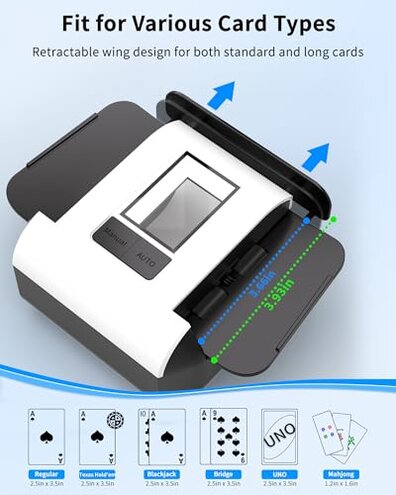
- Expectation: A rechargeable shuffler should make power management simpler. Reality: This one can add planning because it stops working while charging.
- Expectation: Wider card support should mean easy switching between game types. Reality: It can mean more careful tray setup and more sensitivity to deck size.
- Reasonable for this category: A mid-range shuffler should need some loading care. Reality: Here the setup sensitivity appears worse than expected, which cuts into the time saved.
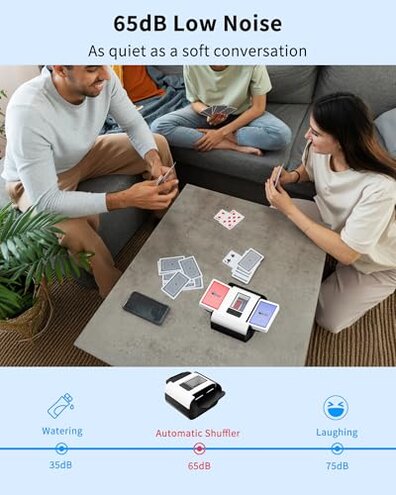
- Expectation: Quiet and compact should feel low-hassle. Reality: Noise may be fine, but reliability friction matters more than sound once games are underway.
Safer alternatives
- Choose simpler power if uninterrupted play matters, especially a model that can keep working without a recharge pause.
- Prioritize standard-card reliability over broad compatibility claims if your main goal is fewer jams and less tray adjustment.
- Look for real-use demos showing reloads between rounds, because first-shuffle performance hides many feeding problems.
- Match the shuffler to your main deck type instead of buying one machine for every game format.
- Prefer proven durability if you host often, since repeated use exposes reliability problems faster than occasional home play.
The bottom line
The main regret trigger is buying this for convenience and then discovering that loading sensitivity and charging limits can interrupt the game. That exceeds normal category risk because even mid-range shufflers are expected to reduce table friction, not create extra monitoring.
Verdict: Avoid it if you need dependable, low-interruption shuffling across different deck types or long sessions. Consider it only if you can tolerate careful setup, shorter use windows, and some trial-and-error.
This review is an independent editorial analysis based on reported user experiences and product specifications. NegReview.com does not sell products.