
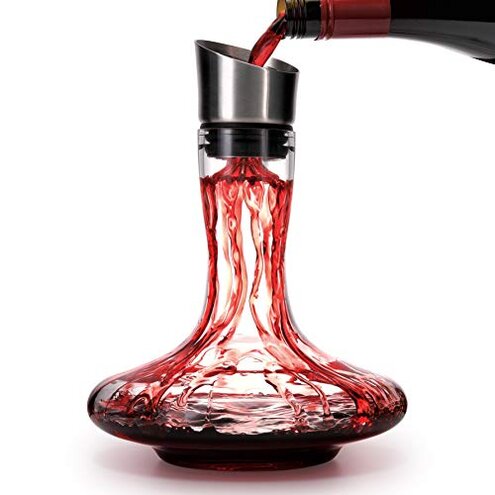
Product evaluated: Wine Decanter Built-in Aerator Pourer, Wine Carafe, Red Wine Decanter,100% Lead-free Crystal Glass, Wine Hand-held Aerator, Wine Gift, Wine Accessories (Clear,Crystal)
Related Videos For You
The Domestic Geek: How to Clean A Decanter
POV-Decanting Unfiltered 2001 Mondavi Chardonnay #wine #fyp #pov #trending #viralvideo #explore #wow
Data basis: This report is based on dozens of buyer comments gathered from written feedback and photo or video-backed impressions collected from 2023 to 2026. Most feedback came from written experiences, with lighter support from visual demonstrations that helped confirm daily-use issues like pouring mess, cleaning effort, and fragility concerns.
| Buyer outcome | This decanter | Typical mid-range alternative |
|---|---|---|
| Pouring mess | Higher risk of drips during serving if angle or speed is off. | Usually lower drip risk with a simpler lip or wider spout. |
| Cleaning effort | More upkeep because the built-in aerator area adds extra rinse and drying steps. | Easier to flush and air-dry with fewer narrow spots. |
| Breakage worry | Less forgiving during hand washing and storage because daily handling matters more. | Still fragile, but many plain decanters are easier to grip and clean. |
| Speed benefit | Mixed payoff since the quick-aeration idea saves time but adds cleanup and pouring sensitivity. | Slower, but often simpler to use with fewer handling surprises. |
| Regret trigger | Looks convenient at first, then feels fussy during real serving and cleanup. | Less exciting, but usually more predictable for regular use. |
Did you expect easy pouring but end up wiping the bottle and table?
This is a primary issue. The regret moment usually happens during first use or early dinner service, when buyers expect the shaped top to control flow better than a standard decanter.
The pattern appears repeatedly. It is not universal, but drip complaints are among the most common frustrations because they show up at the exact moment the product is supposed to feel elegant.
Why it feels worse: Some drips are normal in this category, but this is more disruptive than expected because the built-in pour path seems to promise cleaner serving.
When it worsens: It gets harder when pouring quickly, filling glasses back-to-back, or tilting from a full starting level during hosting.
Is the cleanup more annoying than the quick-aeration idea is worth?
- Frequency tier: This is a primary complaint, commonly reported after the first few uses when buyers move from novelty to normal cleanup.
- Usage moment: The issue shows up right after serving, when wine sits in the aerator area and buyers realize a simple rinse may not feel enough.
- Hidden requirement: You may need extra tools or more careful drying habits than expected for a product marketed as easy to clean.
- Buyer impact: The time saved on aeration can be given back in washing, draining, and checking for trapped droplets.
- Pattern signal: Complaints are persistent across different use styles, especially for people who want a low-effort weeknight wine accessory.
- Category contrast: Most mid-range decanters need hand washing, but this one seems less forgiving because the extra feature adds a spot buyers must think about.
Are you paying for a special design that feels more delicate than practical?
- Severity: This is a secondary issue, less frequent than dripping or cleanup complaints but more frustrating when it happens.
- Real moment: Concern tends to start during hand washing or when lifting with wet hands, not just during display.
- Pattern: Fragility concern is recurring, especially because the product is both glassware and a handled serving piece.
- Why buyers mind: A decanter is expected to be delicate, but this can feel riskier than average because the shape invites active gripping and pouring.
- Worse conditions: The worry grows with frequent use, tighter cabinets, or households where it gets washed and moved often.
- Trade-off: The visual appeal is real, but some buyers end up treating it like display glass instead of a regular-use tool.
- Fixability: You can reduce risk with careful handling, though that also makes the product feel less convenient than its pitch suggests.
Does the quick aeration feel less helpful in real life than it sounds?
- Expectation gap: This is a secondary complaint where the time-saving idea sounds stronger on paper than it feels in daily use.
- Usage context: It appears during side-by-side use with a normal decanter, especially for casual drinkers who do not want extra serving steps.
- Pattern statement: The concern is not universal, but it shows up repeatedly among buyers who expected a clearly better result fast.
- Why it stings: If taste improvement feels subtle, the buyer is left with more cleanup and no obvious payoff.
- Category contrast: A normal decanter already improves presentation, so this version needs a clearer benefit to justify the extra fuss.
- Regret trigger: The disappointment is stronger when used for everyday bottles, where differences may feel too small to offset the hassle.
- Mitigation: Buyers who already enjoy ritual and slower serving may notice less frustration than people seeking a simple shortcut.
Illustrative buyer phrasing
- Illustrative: “I bought it for cleaner pours, but I still had to wipe the rim.” Primary pattern.
- Illustrative: “The aerator part makes rinsing take more effort than my old decanter.” Primary pattern.
- Illustrative: “Pretty on the table, but I handle it like it might slip anytime.” Secondary pattern.
- Illustrative: “The wine was fine, just not different enough to justify the extra steps.” Secondary pattern.
Who should avoid this
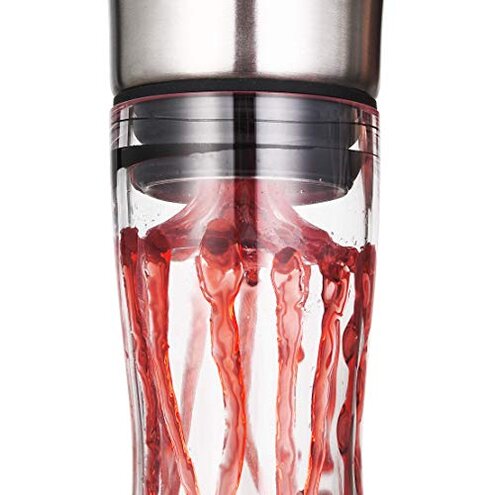
- Skip it if you want a low-mess pourer for guests, because drip frustration is among the most common complaints.
- Avoid it if you hate hand-wash chores, since the built-in aeration area adds more upkeep than many mid-range decanters.
- Pass if this will be used several times a week, because repeated handling makes the delicacy feel more costly and annoying.
- Not ideal for buyers expecting a dramatic taste upgrade fast, because the payoff appears less consistent than the added effort.
Who this is actually good for
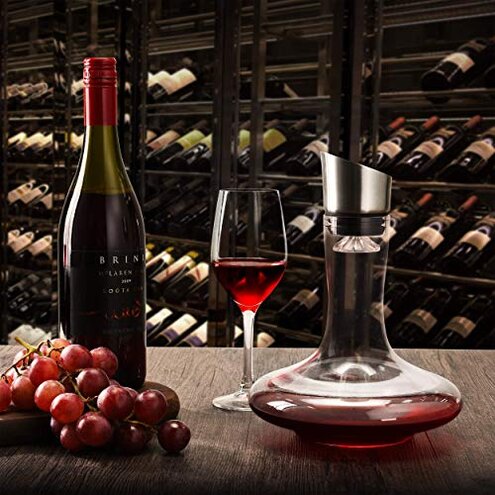
- Better fit for someone who values table presentation first and accepts careful pouring as part of the ritual.
- Works better for occasional use, where cleanup burden matters less because it is not part of a nightly routine.
- Reasonable choice for gift buyers who prioritize looks and are comfortable that performance may feel mixed.
- More suitable for patient users who already hand wash delicate glassware and do not mind extra drying steps.
Expectation vs reality
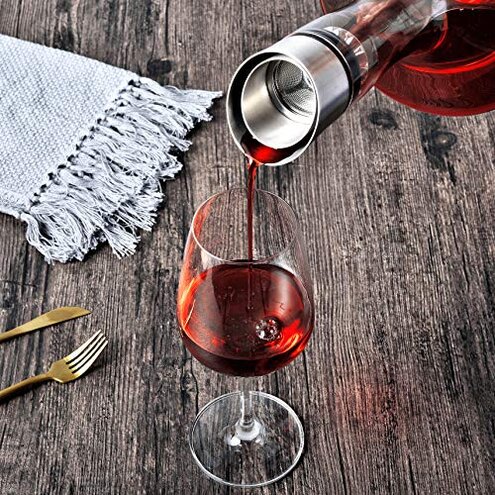
Expectation: A built-in aerator should make serving simpler than a basic decanter.
Reality: The added feature can make pouring and cleanup fussier, which is worse than many buyers reasonably expect for this category.
Expectation: A shaped top should help prevent drips during dinner service.
Reality: The mess risk still appears repeatedly, especially when pouring a fuller decanter or serving several glasses quickly.
Expectation: Delicate glassware should still feel manageable in normal hand washing.
Reality: This design can feel less forgiving than typical mid-range options because you interact with it more actively.
Safer alternatives

- Choose a simpler lip if your main fear is dripping, since plain spout designs are often easier to control during fast serving.
- Pick a wide-body decanter if you want easier cleaning, because fewer tight areas reduce rinse and drying effort.
- Look for a sturdier grip shape if this will be used often, which lowers the daily stress of washing and pouring.
- Buy a separate aerator if quick breathing is your priority, because it separates the taste experiment from the cleaning burden.
The bottom line

Main regret trigger: The promise of quick, cleaner serving can turn into drip control issues and extra cleanup during normal use. That exceeds normal category risk because the special feature raises expectations, then adds effort many basic mid-range decanters avoid. Verdict: If you want practical daily use, this is easier to skip than justify.
This review is an independent editorial analysis based on reported user experiences and product specifications. NegReview.com does not sell products.