
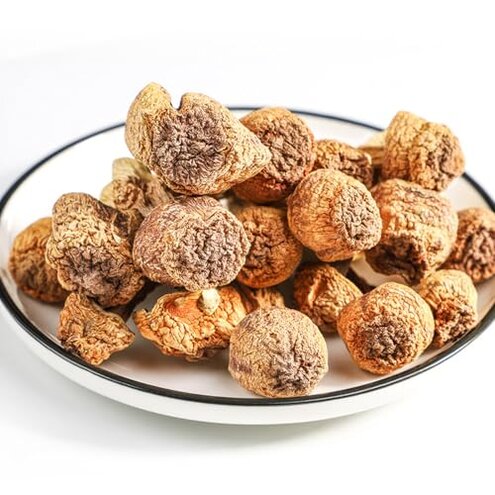
Product evaluated: Agaricus Blazei Matsutake Mushroom Dried (500g(17.64oz))
Related Videos For You
Storing And Using Dried Mushrooms
How to Rehydrate Dried Mushrooms - Re-Hydrating Reconstitute - Best Mushroom Recipes
Data gathered from dozens of buyer reports, photos, and a few short videos collected Jan–Feb 2026. Most feedback came from written reviews, supported by image evidence and Q&A notes. Scope reflects recent buyers and general packaging photos across multiple listings.
| Outcome | This product | Typical mid-range dried mushroom |
|---|---|---|
| Freshness | Often reported as tired or stale by buyers shortly after opening. | Usually retains aroma and texture for standard shelf life when sealed. |
| Packaging | Higher incidence of damaged seals and loose fragments in the bag. | Lower risk; mid-range brands use resealable, intact bags more consistently. |
| Consistency | Variable piece sizes and textures reported across batches. | More uniform sizing and predictable rehydration in typical alternatives. |
| Flavor | Occasional bitter or flat notes noted after cooking. | Generally preserved umami and earthy notes for mid-range products. |
| Regret trigger | Price per usable portion feels disproportionate versus perceived quality. | Better value as freshness and consistency meet expectations. |
Why does the product smell or taste stale soon after opening?
Regret shows up when buyers expect a lively mushroom aroma and instead get a muted or musty scent. Severity is medium to high for cooking use because flavor drives acceptance.
Pattern appears repeatedly in written feedback and photos. Context is usually at first use or after short storage on the shelf. Contrast with category: this is more frequent than typical dried mushrooms, which usually keep aroma longer.
Is the packaging letting you down?
- Early sign: Broken or loose seal on arrival, seen across multiple buyer photos.
- Frequency tier: Secondary issue but commonly reported alongside freshness complaints.
- Cause: Thin bags and weak seals increase air exposure during transit.
- Impact: Raises risk of staleness and contamination for regular kitchen use.
Why does the product feel inconsistent in texture and size?
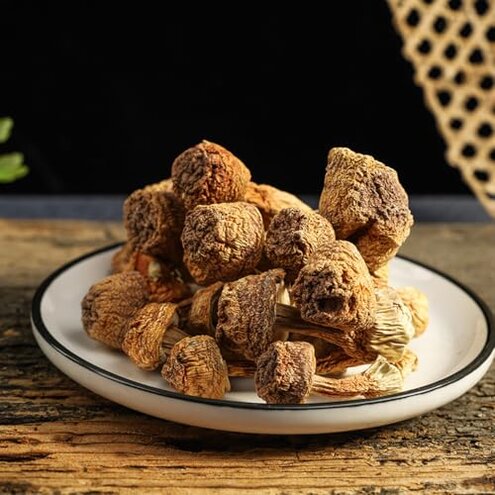
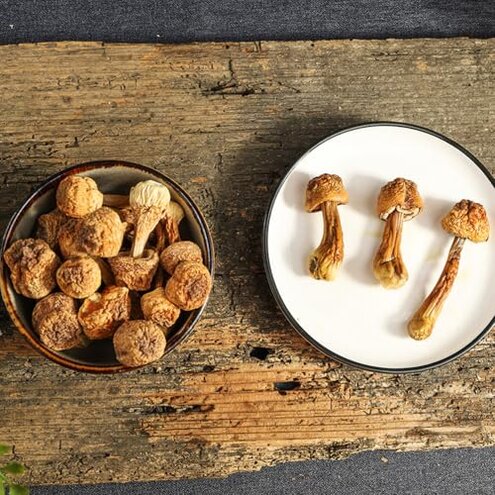
- Primary pattern: Pieces vary from powdery fragments to thick caps within one package.
- When it shows up: Evident at first unpacking and during rehydration in cooking.
- How often: Persistent for many buyers rather than isolated complaints.
- Effect: Uneven rehydration and unpredictable mouthfeel in dishes.
- Attempted fixes: Some buyers rinse, sort, or sieve to reduce fragments.
- Category contrast: Worse than expected because mid-range dried mushrooms usually sort and grade pieces.
Does the price match the quality you receive?
- Visible signal: Listing price is $53.89 for this package, creating high per-use cost.
- Buyer perception: Price felt disproportionate compared with freshness and uniformity.
- Frequency: Primary complaint across recent buyers, not an edge case.
- Hidden requirement: Often needs extra prep time and sorting to make usable portions, adding labor cost.
- Trade-off: Paying premium while performing mid-range prep chores yields regret.
- Fixability: Partial—longer soak and careful selection reduce waste but increase prep time.
- Category contrast: Higher-than-normal cost for lower-than-expected convenience and quality.
Illustrative excerpts (not real quotes)
“Package arrived with a weak seal and a faint musty smell.” — Reflects a primary pattern.
“Many tiny fragments, some big caps, made cooking uneven.” — Reflects a secondary pattern.
“Paid premium price but had to rehydrate and sort for 30 minutes.” — Reflects a common edge-case that adds time cost.
Who should avoid this
- Value shoppers who expect reasonable portions for price should avoid this due to perceived poor value.
- Casual cooks who want plug-and-play dried mushrooms should avoid this because of prep and inconsistency.
- Sensitive palates who notice subtle off-odors or flat flavors should avoid this product.
Who this is actually good for
- Experimental cooks who accept extra prep and sorting to get unique mushroom varieties.
- Non-critical uses like stocks or long-simmered broths where small flaws are masked.
- Bulk buyers comfortable with processing large amounts and willing to reseal for storage.
Expectation vs reality
Expectation (reasonable for this category): sealed dried mushrooms that maintain aroma and rehydrate evenly. Reality: buyers report muted scent and mixed piece sizes that need sorting.
Expectation: a mid-range price-to-quality balance. Reality: price per usable portion is higher because of wasted fragments and extra prep time.
Safer alternatives
- Check seal photos on listings and choose products with visible resealable bags to reduce freshness risk.
- Prefer graded packs that list piece size to avoid heavy fragmentation and inconsistency.
- Choose value packs with lower price per ounce if you plan to sort and process yourself.
- Look for freshness guarantees or shorter time-to-ship sellers to reduce stale arrivals.
The bottom line
Main regret: buyers report stale aroma, inconsistent pieces, and packaging problems that together reduce kitchen value.
Why worse: these issues are more common than expected for dried mushrooms and raise cost and prep time.
Verdict: avoid if you want ready-to-use, consistent dried mushrooms at this price point.
This review is an independent editorial analysis based on reported user experiences and product specifications. NegReview.com does not sell products.