
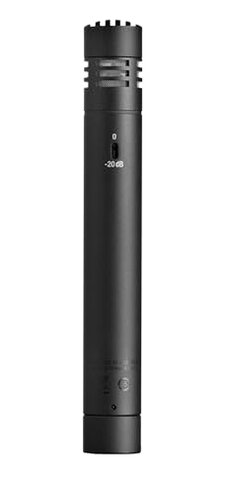
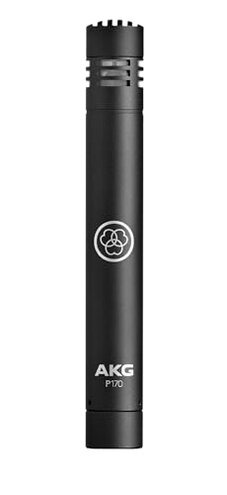
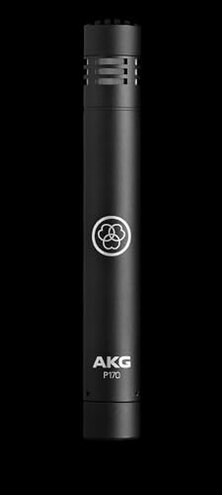
Product evaluated: AKG Pro Audio AKG Perception 170 Professional Instrumental Microphone
Related Videos For You
Connecting microphones and instruments - Scarlett 2i2
3 Reasons Why You Should Use SDCs (Small Diaphragm Condensers)
Data basis: This report draws on dozens of written reviews and video demonstrations collected from July 2012 through January 2026. Most feedback came from text reviews, supported by user video demos and forum-style threads. The distribution shows a strong written-review signal with video confirmation of the same problems.
| Outcome | AKG Perception 170 | Typical mid-range S-D condenser |
|---|---|---|
| Build & handling | More fragile reports of handling noise and dent risk during routine repositioning. | More rugged cases usually include better shock mounts or heavier bodies. |
| Noise & clarity | Higher handling noise and sensitivity noted in real sessions. | Lower handling noise when paired with standard mounts and preamps. |
| Setup needs | Hidden extras required: shock mount, foam, and a clean phantom preamp to perform well. | Often bundled accessories and more forgiving gain needs on typical alternatives. |
| Compatibility | Needs good preamp to avoid hiss and low output problems. | Works acceptably on average audio interfaces without special preamps. |
| Regret trigger | Higher-than-normal risk: Stands out for handling/noise issues that cause buyer regret. | Lower risk: Typical mid-range models cause fewer setup surprises. |
Top failures
Why does the mic feel noisy or fragile when I touch it?
Handling noise problem: Buyers report the most frustrating moment is repositioning the mic and hearing mechanical thumps in recordings.
Pattern & context: This is a recurring complaint that appears in written reviews and video tests, especially during setup and when adjusting stands.
Category contrast: This feels worse than normal because mid-range small-diaphragm condensers usually accept light handling without audible thumps.
Does it demand a better preamp or higher gain than expected?
- Preamp need: Many reports point to low output and hiss unless paired with a clean phantom-power preamp.
- Usage anchor: The issue shows up immediately during recording when users push gain on low-cost interfaces.
- Pattern statement: This is a primary complaint seen across multiple feedback sources.
- Category contrast: More demanding than typical mid-range mics, which usually work acceptably on basic interfaces.
Will missing accessories complicate using this mic?
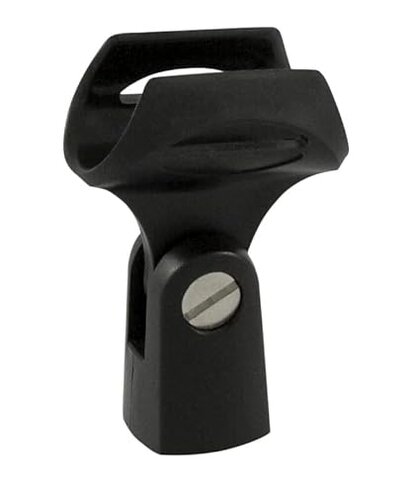
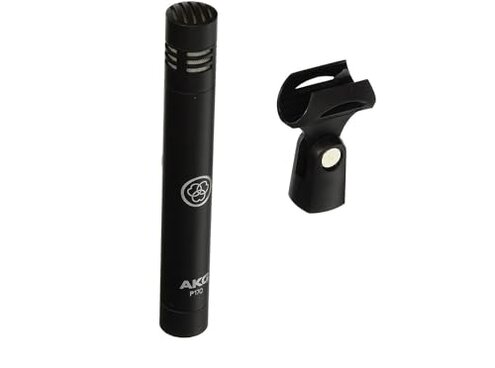
- Box contents: The mic ships with only a stand adapter, so buyers must add a shock mount and pouch.
- Hidden requirement: Users often need to buy a separate shock mount to control handling noise and vibration.
- Early sign: Handling bumps heard on first setup are a clue you need extra accessories.
- Frequency tier: This is a secondary but persistent issue in real-world use.
- Impact: Adds cost and setup time before the mic records cleanly.
- Fixability: Fixable with a mount and pop screen, but that raises the total buy-in.
Is the recorded tone underwhelming for close miking applications?
- Tonal trade-off: Some buyers find the low end thin on close acoustic instruments compared with similar-priced alternatives.
- Usage context: This becomes apparent during overdubs and close-stereo overhead work.
- Pattern: This is a common, category-relevant comment rather than an isolated edge case.
- Cause: Likely the capsule tuning tuned for transient detail over body.
- Impact: Requires EQ or mic placement changes to get fuller tone.
- Attempts to fix: Users report moving the mic back or adding EQ helps but adds workflow steps.
- Category contrast: Less forgiving than many mid-range condensers that capture more natural low frequencies without extra processing.
Illustrative excerpts (not real quotes)
Illustrative: "I hear thumps when I touch the stand during takes." — reflects a primary pattern.
Illustrative: "Needed a new shock mount and foam right away to stop noise." — reflects a secondary pattern.
Illustrative: "Works fine with my pro preamp, but not my USB interface." — reflects a secondary pattern.
Illustrative: "Close acoustic sounded thin, had to EQ heavily." — reflects an edge-case pattern.
Who should avoid this
- Inexperienced buyers: If you only have a basic USB interface, avoid this mic unless you plan to add a clean preamp.
- On-the-road users: If you need a grab-and-go solution, avoid it because extra mounts and protection are required.
- Studio owners needing full low end: If you expect natural low-frequency warmth without EQ, avoid since it can sound thin up close.
Who this is actually good for
- Budget studios with proper preamps: If you own a clean phantom-power preamp, you can tolerate the extra setup for good transient detail.
- Percussion and overhead users: If you value transient clarity and can manage mounts, the mic can deliver crisp results.
- DIY recordists: If you don’t mind buying a shock mount and doing placement work, you can avoid the main issues.
Expectation vs reality
Expectation (reasonable for this category): Buyers expect a small-diaphragm condenser to be ready with basic stands and an interface.
Reality: This model often requires a better preamp and a shock mount, increasing cost and setup time.
Safer alternatives
- Choose bundled kits: Look for mics that include shock mounts or cases to avoid hidden accessory costs and handling noise.
- Prioritize output: Prefer mics advertised with higher output or low self-noise to reduce preamp demands.
- Check mount compatibility: Buy a mic with standard mounting options or include a shock mount in the purchase plan.
- Demo with your gear: Whenever possible, test the mic with your interface to verify gain and noise performance.
The bottom line
Main regret trigger: The combination of handling noise and extra setup requirements is the most common source of buyer disappointment.
Why it exceeds risk: These problems are more disruptive than typical mid-range condensers because they demand extra purchases and careful placement before acceptable sound.
Verdict: Avoid this mic if you want plug-and-play reliability; consider it only if you have a clean preamp and are willing to add mounts and workflow steps.
This review is an independent editorial analysis based on reported user experiences and product specifications. NegReview.com does not sell products.