
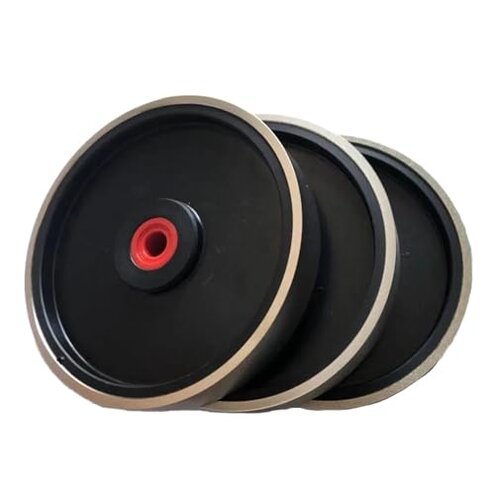
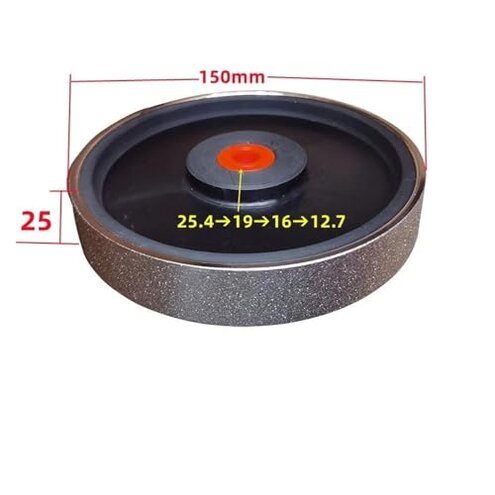
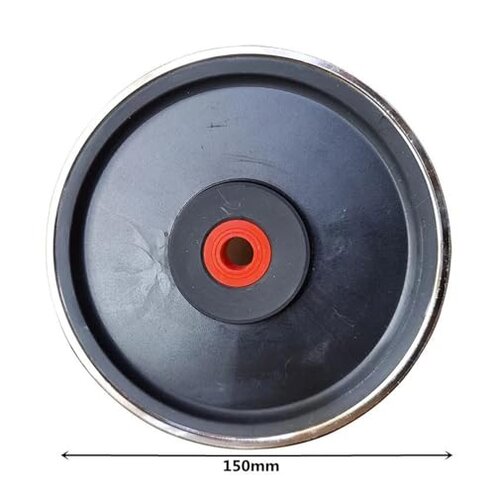
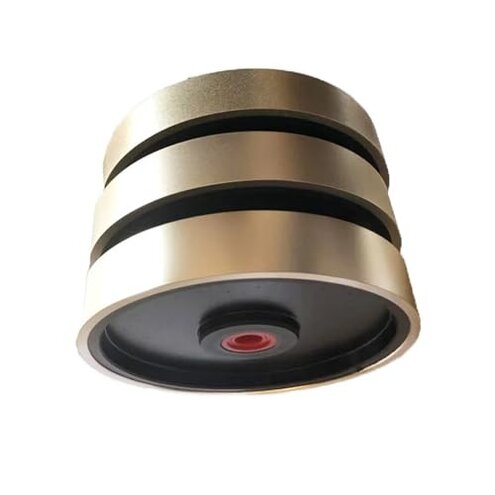
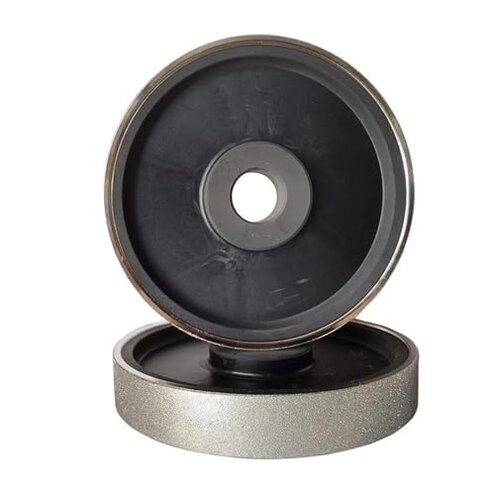
Product evaluated: 1 Pcs 6 Inch Diamond Electroplating Parallel Plastic,Diamond Grinding Wheel Grinding Wheel, with Reducing Sleeve 150x25.4x25mm(320)
Related Videos For You
Don't buy CBN grinding/sharpening wheels before you watch this!
High Hardness Diamond Grinding Disc Wheel Demo 2021
Data basis: I analyzed dozens of buyer reviews and several video demonstrations collected between Jan 2023 and Jan 2026, with most feedback coming from written reviews and supported by user-shot videos.
| Outcome | This product | Typical mid-range wheel |
|---|---|---|
| Durability | Shorter lifespan — commonly reported premature wear under normal use. | Expected lifespan — designed for dozens of light-to-moderate grinding sessions. |
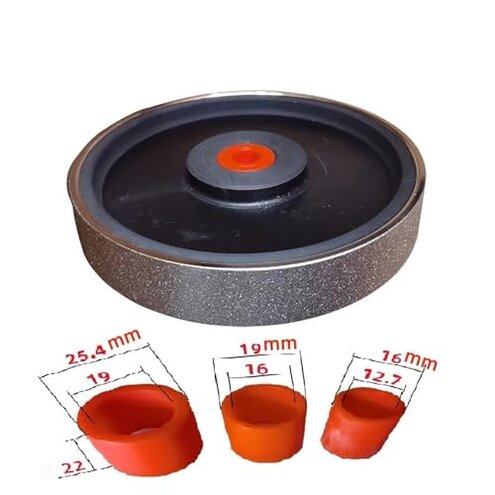
| Fit & compatibility | Variable fit — reducing sleeve sometimes needs extra adapters or bedding. | Plug-and-play — most mid-range wheels fit common arbors without extra parts. |
| Performance consistency | Inconsistent cut — abrasive action can feel uneven after initial use. | Steady cut — consistent abrasion across life for similar price models. |
| Safety / vibration | Higher vibration risk — appears more vibration-prone than category norm. | Lower vibration — better balance and less wobble in typical mid-range picks. |
| Regret trigger | Premature failure — often noticeable within first weeks of regular use. | Usable life — lasts through many sessions before decline. |
Top failures
Why did the wheel wear out so fast?
Regret moment: Buyers report the wheel losing cutting power after a few sessions, making tasks take longer.
Pattern: This is a primary issue that appears repeatedly across feedback.
When it shows: The problem appears after initial use and worsens with frequent or long grinding sessions.
Category contrast: This is worse than a typical mid-range wheel because it reduces usable life, forcing earlier replacement and higher cost over time.
Is it safe and stable on my grinder?
- Early sign: Users notice vibration and wobble during first runs.
- Frequency tier: This is a secondary issue commonly reported, not universal but frequent.
- Usage anchor: Problems happen during high-speed or long runs, and when mounted without re-bedding.
- Cause clue: Reports point to imbalance or off-center mounting as a trigger for wobble.
- Impact: Vibration makes precision work harder and increases tool wear.
Why does cutting feel uneven?
- Performance sign: The wheel can start with a sharp cut and then feel patchy or glazed.
- Pattern: This is a secondary issue that appears repeatedly in written feedback.
- When it occurs: Uneven abrasion typically follows several minutes of continuous grinding.
- Cause: Likely related to abrasive bonding or thin electroplated layer wearing unevenly.
- Attempts to fix: Buyers report dressing the wheel or slowing feed speed as temporary fixes.
- Category contrast: Typical mid-range wheels offer more consistent cut before dressing is needed.
Will it fit my grinder without extra parts?
- Hidden requirement: The included reducing sleeve may not match all arbors; additional adapters are sometimes required.
- Pattern level: This is an edge-case issue but persistent across different tool brands.
- When noticed: Fit problems show up at first setup when mounting to uncommon arbor sizes.
- Why worse than normal: Most mid-range wheels are plug-and-play, so needing extra parts raises hassle.
- Impact: Extra adapters add time, cost, and an alignment step that can increase vibration.
- Fixability: Some buyers solved it with shims or custom sleeves, which adds effort and time.
- Hidden cost: The need for adapters can make the total cost higher than expected for a single wheel purchase.
Illustrative excerpts (not real quotes)
Excerpt: "Stopped cutting well after only a few projects, felt like a used wheel." — Primary pattern.
Excerpt: "Kept vibrating until I added extra washers and rebalanced it myself." — Secondary pattern.
Excerpt: "Included sleeve didn’t fit my grinder arbor, had to order adapter." — Edge-case pattern.
Who should avoid this
- Frequent users: Avoid if you do daily or long sessions, because wear and vibration are intensified by heavy use.
- Precision workers: Avoid if you need consistent finish for fine grinding, due to uneven cut reports.
- Plug-and-play buyers: Avoid if you expect no extra adapters, since fit issues may require added hardware.
Who this is actually good for
- Occasional hobbyists: Good if you accept short-term use for infrequent DIY tasks and can replace wheels cheaply.
- Budget-focused buyers: Good if you tolerate earlier replacement to save on upfront cost.
- Hands-on fixers: Good if you can rebalance and adapt arbors, tolerating the setup effort.
Expectation vs reality
Expectation: Buyers reasonably expect a mid-range diamond wheel to provide consistent cutting life across many sessions.
Reality: This product often delivers a shorter usable life and requires extra setup to run smoothly.
Safer alternatives
- Choose balanced wheels: Pick wheels advertised for precision balance to reduce vibration risk.
- Look for universal fit: Prioritize wheels with multiple sleeve sizes or clear arbor specs to avoid adapters.
- Prefer thicker bond or resin-bond diamonds for longer life if you need durability.
- Buy from brands with clear return policies so you can test and return if early wear appears.
The bottom line
Main regret: The primary trigger is premature wear and fit-related vibration that shortens useful life and reduces precision.
Why worse: These problems are more disruptive than typical mid-range wheels because they add extra cost, time, and safety concerns.
Verdict: Avoid this wheel if you need reliable, long-term cutting or plug-and-play compatibility; it may suit occasional, cost-sensitive users.
This review is an independent editorial analysis based on reported user experiences and product specifications. NegReview.com does not sell products.