
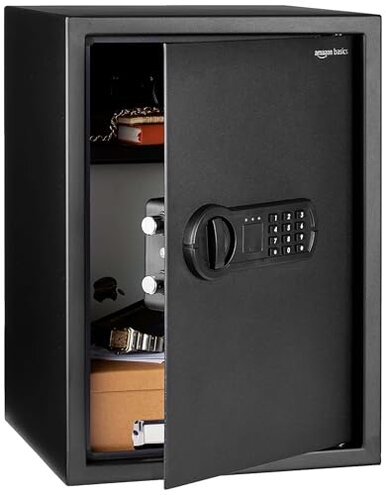
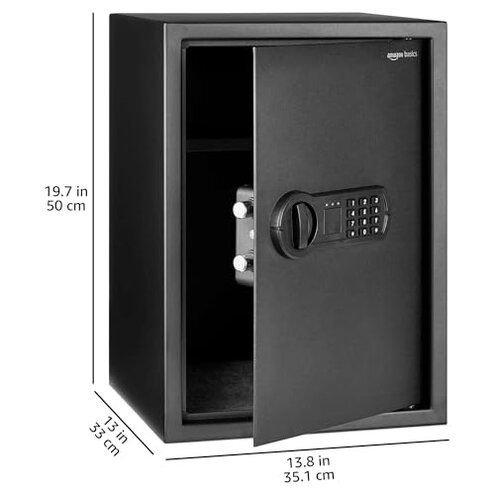
Product evaluated: Amazon Basics Steel Home Security Electronic Safe with Programmable Keypad Lock for Documents, Jewelry, Valuables, 1.8 Cubic Feet, Black, 13.8"W x 13"D x 19.7"H
Related Videos For You
Where to Hide a Safe - Best & Worst Places to Hide a Safe in Your House
LA GARD LG Basic digital electronic safe lock changing combo and battery
Data basis: This report summarizes findings from dozens of buyer reviews and several user videos collected between January 2020 and December 2025, with most feedback coming from written reviews supported by hands-on video demonstrations.
| Outcome | Amazon Basics 1.8 cu ft | Typical mid-range safe |
|---|---|---|
| Access reliability | Higher lockout risk — keypad and battery issues are commonly reported after setup. | Lower lockout risk — more consistent keypad/battery performance is typical. |
| Installation | More fuss — mounting and alignment problems appear repeatedly during installation. | Smoother setup — fewer alignment or extra hardware headaches. |
| Durability | Mixed durability — door fit and finish complaints are a frequent theme. | Stronger fit — mid-range units usually show steadier long-term alignment. |
| Repair & recovery | Trickier recovery — back-up key and battery fixes are more disruptive than expected. | Easier recovery — backup access and service are typically simpler. |
| Regret trigger | Access failure — lockouts are the primary regret and are more disruptive than expected for this category. | Minor annoyances — temporary hiccups that rarely block access. |
Will I get locked out when I need something inside?
Immediate regret: Users report the most painful moment is being unable to open the safe due to keypad or battery failure right when access is urgent.
Pattern and context: This problem is commonly reported and often happens after initial setup or during everyday use when batteries get low.
Category contrast: Lockouts are more disruptive than expected because comparable safes rarely block access so abruptly, increasing real risk of being without documents or keys.
Do I need extra steps or special batteries to keep this working?

- Early sign: The keypad starts showing erratic responses and beeps during first weeks.
- Frequency tier: This is a secondary issue but appears repeatedly across buyers after short-term use.
- Cause clue: Low or drained AA batteries and loose battery contacts often trigger failures.
- Hidden requirement: A regular battery swap schedule and spare batteries are commonly needed to avoid lockouts.
- Fixability: Many buyers resolve it temporarily with fresh batteries, but the problem can recur.
Is installation and mounting harder than it looks?
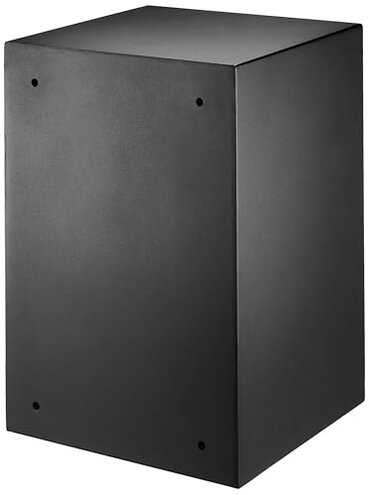
- Installation pain: Pre-drilled holes and supplied hardware sometimes misalign with common floor or wall materials.
- When it shows: Problems appear during first installation, especially on uneven surfaces.
- Impact: Misalignment can cause the door to bind or not close flush, affecting security.
- Attempted fixes: Buyers commonly add shims, extra anchors, or professional help to make it sit right.
- Frequency tier: This is a primary installation complaint among owners who mount the safe themselves.
- Why worse: It demands more time and tools than mid-range alternatives, raising installation cost.
- Hidden cost: Expect potential extra anchors or a pro install if you want proper mounting.
Will the safe hold up to regular use and time?

- Early sign: Small dents, paint chips, and loose trim are often noticed within months.
- Wear pattern: Door alignment and bolt engagement issues appear after repeated use.
- Impact: Poor alignment can worsen keypad problems and make the door harder to lock.
- Attempted fixes: Some owners bend or shim internal parts, which reduces warranty protection.
- Frequency tier: This is a secondary durability concern but more common than expected for the price.
- Why worse: It is less forgiving than typical mid-range safes, increasing maintenance time and hassle.
- Fixability: Professional door realignment or replacement is sometimes needed for long-term reliability.
- Scope: These issues are seen across multiple buyer reports and product photo evidence.
Illustrative excerpts (not real quotes)
"Keypad stopped responding while I needed my passport urgently." — reflects a primary pattern about access failures.
"I replaced batteries weekly for the first month to avoid beeps." — reflects a secondary pattern about hidden battery upkeep.
"Had to shim the base to stop the door scraping the frame." — reflects an edge-case pattern tied to installation surfaces.
Who should avoid this
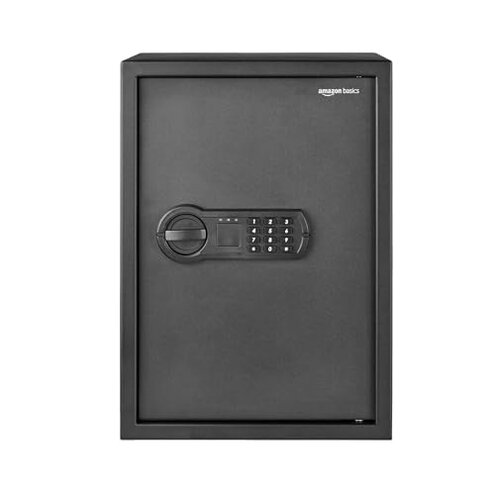
Travelers or frequent access users: If you need immediate access to documents often, the lockout risk here exceeds normal tolerance.
Low-maintenance buyers: If you won’t schedule battery checks or keep spares, the hidden battery requirement makes regret likely.
DIY installers without tools: If you lack anchors or time for shimming, the installation alignment demands may be too much.
Who this is actually good for
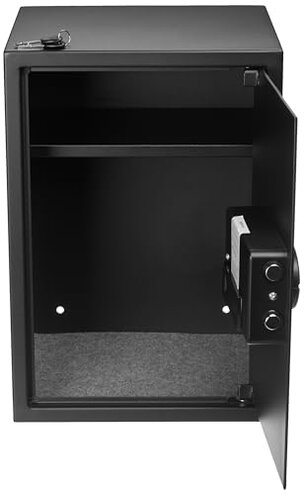
Budget-conscious owners: If you accept occasional maintenance and want basic theft deterrence, you can tolerate the access hassles.
Secondary storage: For items rarely accessed, like copies of documents, the lockout risk is less critical.
People with spare batteries: If you already keep AA spares and check them, the battery upkeep is manageable.
Expectation vs reality
- Expectation (reasonable): A home safe should open reliably with a keypad like most mid-range models.
- Reality: This unit has a higher-than-normal lockout rate, turning a reasonable expectation into real access risk.
- Expectation: Installation should be straightforward using supplied hardware.
- Reality: The safe often needs extra anchors or shims, adding time and possible cost.
Safer alternatives
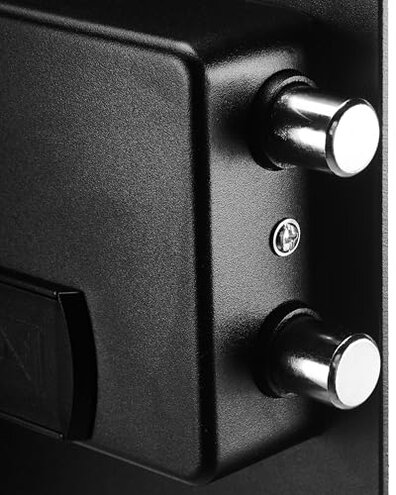
- Choose units with mechanical override: Prefer safes listing a robust backup key system to neutralize keypad lockout risk.
- Look for battery status indicators: Pick models that show a clear low-battery warning to reduce sudden failures.
- Opt for pre-aligned mounting designs: Select safes advertised for easy floor/wall anchoring to avoid alignment shims.
- Read for long-term fit reports: Favor products with consistent door-fit feedback to lower maintenance time.
The bottom line
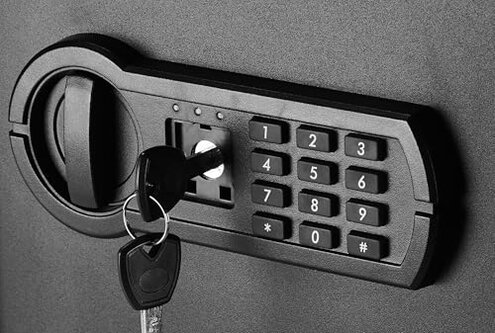
Main regret trigger: The product’s keypad and battery-related access failures cause the biggest buyer regret.
Risk assessment: These failures are more disruptive than typical mid-range safes and impose hidden upkeep and installation costs.
Verdict: Avoid this model if uninterrupted access and low maintenance are priorities; consider more reliable mid-range alternatives.
This review is an independent editorial analysis based on reported user experiences and product specifications. NegReview.com does not sell products.