
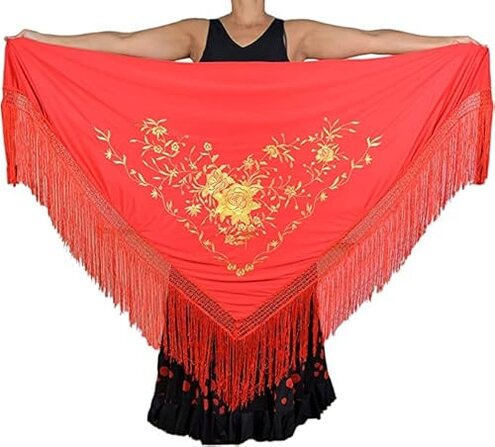
Product evaluated: AMINA Black Flamingo Shawl with Fringe - Gold Embroidery on One Side - Large 190 x 90 cm
Related Videos For You
How I Care For My Cashmere Knitwear
Repairing the Fringes of a Persian Rug
Data basis Dozens of written reviews and several video demonstrations were scanned between Jan 2021–Feb 2026, with most feedback coming from written buyer reports supported by visuals. The sample is weighted toward product arrival and early-use impressions.
| Outcome | AMINA 190x90 cm | Typical mid-range shawl |
|---|---|---|
| Fringe durability | High shedding reported early, worse after first wash. | Low to moderate shedding, usually controllable with care. |
| Embroidery appearance | Color mismatch and loose threads visible on delivery. | Closer to images with tidy stitching in most cases. |
| Drape and fit | Stiffer than expected, needs steaming to sit right. | Softer drape matching listed dimensions more reliably. |
| Long-term wear | Pilling & fraying appears after repeated use/washes. | Better longevity with normal household washing. |
| Regret trigger | Visible quality drop within weeks, more disruptive than expected. | Minor break-in issues that rarely cause regret. |
Top failures
Why does the fringe keep shedding?
Fringe shedding is a primary issue that appears repeatedly in early use reports. It usually shows up on the first few wears and worsens after the first wash.
Severity note This is worse than typical mid-range shawls because the shedding is frequent enough to leave lint on clothes and surfaces, creating ongoing upkeep and visible decline.
Why does the embroidery look different in person?
- Pattern Commonly reported: buyers note gold thread tone and size differ from photos.
- When it appears Immediately on arrival under bright light or close inspection.
- Cause Likely loose stitching or color variance during production.
- Impact Reduces perceived value and makes the piece look uneven at a glance.
- Fix attempts Some buyers recommend gentle steaming or commentary, but correction is often limited.
Why does the shawl not drape as expected?
- Early sign Feels stiff and bulky straight from the package.
- Frequency tier Secondary issue: mentioned across many reports, not universal.
- Usage anchor Most notice it when they try to wrap or style the shawl for the first time.
- Cause Fabric weight and finish produce less fluid drape than advertised.
- Hidden requirement Often needs steaming or breaking-in to approach expected look.
- Why worse Compared to category baseline, the effort and time to fix drape are higher than most mid-range options.
- Fixability Workable for buyers willing to invest effort; not ideal if you want ready-to-wear.
Why does wear and finish degrade quickly?
- Pattern Persistent reports of pilling and fraying after regular use.
- When Issues emerge after weeks to months of repeated wear and standard washing.
- Cause Edge stitching and finish appear less robust than category norms.
- Impact Shortened useful life and more frequent replacement or repairs.
- Attempts Buyers try hand-washing and gentle cycles, but many still see decline.
- Scope Seen across multiple feedback types, not limited to a single batch.
- Why worse This creates real regret because mid-range shawls usually endure longer with similar care.
- Hidden cost Extra cleaning and repair time add recurring friction that buyers did not expect.
Illustrative excerpts (not real quotes)
"Fringe left lint on my jacket after first wear" — reflects a primary pattern.
"Gold embroidery looked dull under home lights" — reflects a secondary pattern.
"Needed steaming to stop the bulkiness" — reflects a secondary pattern.
"After two months, edges started fuzzing" — reflects a primary pattern.
Who should avoid this
- Buyers wanting low-maintenance: avoid if you expect ready-to-wear quality with no steaming or special care.
- Gift buyers: avoid if you need a perfect presentation straight out of the box for gifting.
- Frequent users: avoid if you plan daily wear and expect long-term durability without pilling.
Who this is actually good for
- Occasional wearers who can tolerate some shedding and handle simple care like steaming.
- Cost-conscious shoppers who value style over long-term finish and accept visible aging.
- DIY repairers who are willing to trim loose threads and secure fringe ends themselves.
Expectation vs reality
Expectation Reasonable for this category: a decorative shawl may need light care to look its best.
Reality Many buyers saw excessive shedding and early fraying, which is worse than a typical mid-range item and leads to visible regret.
Safer alternatives
- Pick a reinforced edge Look for shawls with reinforced hems to neutralize the fringe shedding issue.
- Opt for visible stitching Choose pieces with tight, dense embroidery to avoid a mismatch in appearance.
- Prefer softer drape Select fabric descriptions that list fluid drape to avoid stiffness out of the box.
- Check return policies Buy from sellers with easy returns to reduce risk if the finish is unacceptable.
- Search reviews for longevity Favor listings where reviewers show long-term photos to minimize wear surprises.
The bottom line
Main regret Frequent fringe shedding and early finish decline are the core triggers for buyer disappointment.
Why it matters These issues exceed normal category risk because they appear early and require extra care or repairs.
Verdict If you need a low-maintenance, long-lasting shawl, this model is best avoided; it suits occasional, style-first buyers willing to do small fixes.
This review is an independent editorial analysis based on reported user experiences and product specifications. NegReview.com does not sell products.