
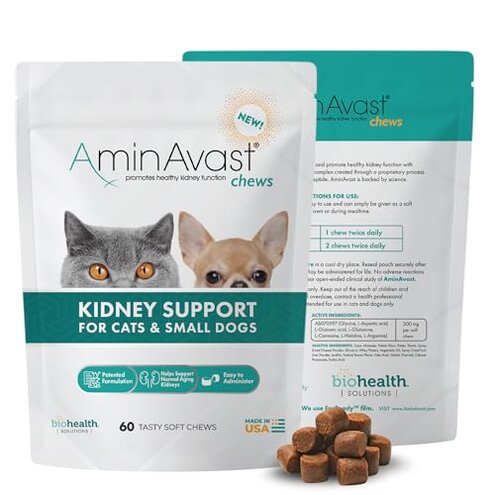
Product evaluated: AminAvast Small Dogs & Cat Kidney Support - Promotes Healthy Kidney Support in Cats & Small Dogs - 300mg (60 Chews)
Related Videos For You
Kidney Disease and Cats - Everything you need to know
Do this if your Shih Tzu is a Picky Eater
Data basis This report combines dozens of buyer comments gathered from written feedback and short video-style demonstrations collected from recent years through the present. Most feedback came from written reviews, with lighter support from visual usage posts, and the strongest patterns centered on daily pet acceptance, value, and whether benefits were noticeable over continued use.
| Buyer outcome | AminAvast | Typical mid-range alternative |
|---|---|---|
| Daily acceptance | Higher risk of refusal during daily use if your pet is picky | Usually easier if flavor or format is more familiar |
| Visible payoff | Mixed results that can feel slow or unclear | Still variable, but buyer expectations are often set lower by simpler claims |
| Routine effort | More upkeep if you need to hide or crush each chew | Often simpler when powder, capsule, or stronger treat appeal works better |
| Value pressure | $42.99 can sting more when results are uncertain | Lower regret if price is easier to justify for trial use |
| Regret trigger | Paying premium for a chew your pet rejects or that shows no obvious change | Moderate disappointment rather than immediate stop-use regret |
What if your pet simply will not eat it?
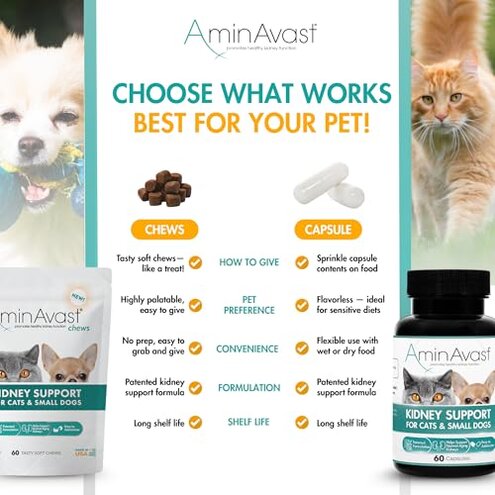
This is the primary complaint. The regret usually hits on first use, when a product sold as an easy chew turns into a daily hiding game.
The trade-off is clear: if your pet accepts it, the format is convenient, but repeated refusal makes it more disruptive than expected for this category.
- Pattern Acceptance problems appear repeatedly across feedback, though not every pet rejects it.
- When it shows The issue often starts at first serving and can continue during daily dosing.
- Why it stings A kidney supplement needs consistent use, so refusal is more damaging than with occasional treats.
- Category contrast Many pet supplements have some pickiness risk, but this feels less forgiving than a typical mid-range alternative when buyers expected a chew to be the easier format.
- Workarounds Buyers commonly try mixing with food, breaking pieces up, or hand-feeding.
- Hidden requirement You may need a pet that already tolerates disguised supplements, which adds extra steps and reduces the “easy daily use” appeal.
- Impact If your cat or small dog is selective, the product can become a wasted routine rather than daily support.
Illustrative: “My cat sniffed it, licked once, then walked away every time.” Primary pattern because refusal is among the most common complaints.
What if you keep paying and still cannot tell if it helps?
This is the second major frustration. The problem usually appears after repeated use, when buyers expect at least some visible sign of better appetite, energy, or comfort.
The severity is not that it fails for everyone. It is that the benefit can feel too subtle to justify the price during routine use.
- Frequency tier This is a secondary issue, but it becomes more frustrating than taste problems when it happens.
- Timing Doubt builds after continued daily use, especially once one container is nearly finished.
- Buyer expectation People often hope for noticeable changes in hydration, appetite, or energy.
- Reality gap Feedback shows mixed outcomes, with some owners unsure whether anything changed at all.
- Category contrast Unclear results are common in wellness supplements, but this feels worse than normal because the product sits at a premium trial cost.
- Regret point Once you spend $42.99 on 60 chews, “maybe it helped” can feel too weak.
- Fixability There is limited buyer control here beyond longer trial use or vet guidance, which increases uncertainty.
Illustrative: “Finished the jar and honestly could not see a clear difference.” Secondary pattern because the concern appears persistently after repeat use.
Do the daily steps become more annoying than expected?
Routine friction is less dramatic than outright refusal, but it shows up often enough to matter. It tends to worsen when your pet is small, suspicious, or already hard to medicate.
The issue is not the chew itself. It is the extra effort needed when the “serve as-is or mixed with food” promise does not match your pet’s behavior.
- Pattern This is a persistent secondary issue tied closely to picky eaters.
- Usage moment It shows up during everyday feeding when buyers have to crumble, disguise, or monitor intake.
- Escalation The burden grows with daily handling, because one difficult dose can become a long routine.
- Category baseline Most pet supplements ask for some effort, but this can require more ongoing supervision than typical treats or powders.
- Practical cost Missed doses create inconsistent use, which also makes it harder to judge results.
Illustrative: “I had to crush it into food and still watch carefully.” Secondary pattern because the complaint usually follows acceptance trouble.
Is the price hard to justify for a trial-and-error product?
Value regret becomes the edge-case issue that turns into a dealbreaker for cautious shoppers. It usually appears after refusal or unclear benefits, not at checkout alone.
- Cost cue At $42.99 for 60 chews, buyers expect a smoother experience or clearer payoff.
- When it hurts The price feels worst after early rejection or after finishing much of the jar without visible progress.
- Ranking This is an edge-case issue by itself, but it amplifies the two main complaints sharply.
- Category contrast Premium pet support products can cost more, but this feels more frustrating than expected when ease-of-use is inconsistent.
- Who notices most Multi-pet homes or long-term users feel budget pressure faster because repeat purchase confidence may stay low.
Illustrative: “Too expensive to keep guessing if my cat is getting anything.” Edge-case pattern because price regret usually follows another problem.
Who should avoid this
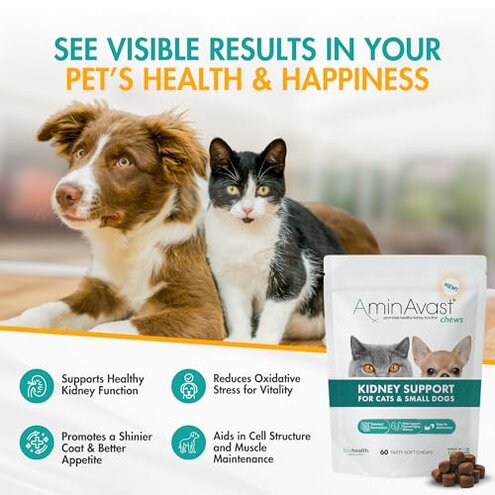
- Picky pets should avoid this first, because acceptance trouble is the primary failure and appears repeatedly during first use.
- Budget-sensitive owners may want to skip it, since unclear results make $42.99 feel high for trial use.
- Low-effort shoppers should look elsewhere if they do not want to crush, mix, or supervise every serving.
- Outcome-focused buyers may be frustrated if they need fast, obvious changes rather than subtle or uncertain improvement.
Who this is actually good for
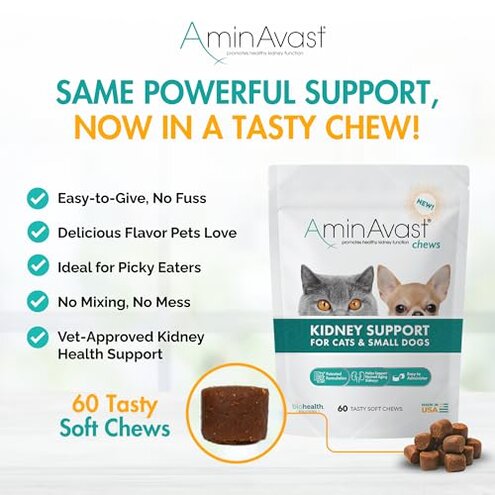
- Already compliant pets may do fine if they reliably take soft chews and do not need flavor hiding.
- Vet-guided buyers may tolerate the uncertainty better if this fits a broader kidney support plan rather than a stand-alone fix.
- Patient owners can accept the main failure risk if they are comfortable with a gradual trial and careful observation.
- Small routine households may find it manageable when one pet takes supplements easily and daily prep is not a burden.
Expectation vs reality
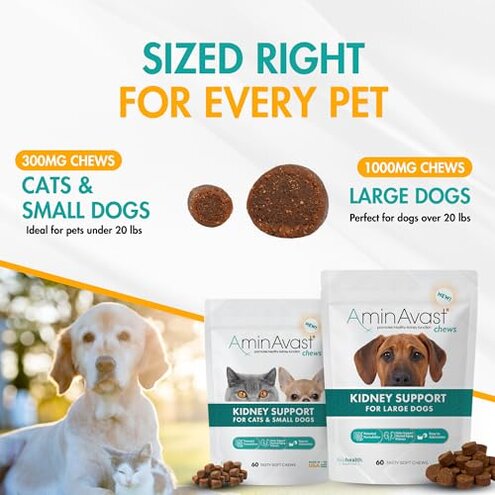
Expectation: A soft chew should be the easy format for daily use.
Reality: For selective pets, the chew can become a daily workaround involving food mixing and monitoring.
Expectation: Paying more should reduce friction and make benefits easier to trust.
Reality: The main regret is a premium price paired with mixed acceptance and hard-to-read results.
Expectation: It is reasonable for this category to expect gradual improvement rather than instant change.
Reality: Feedback suggests the benefit can be less obvious than expected, which makes repeat buying harder to justify.
Safer alternatives

- Choose format first by testing whether your pet does better with powder, capsule, or puree-style delivery before paying for a chew.
- Start smaller with a lower-cost trial option if your pet has a history of rejecting supplements.
- Look for acceptance clues in buyer feedback that specifically mention picky cats or difficult small dogs during daily feeding.
- Use a vet plan when shopping in this category, because professional monitoring can reduce the regret of unclear results.
- Favor simpler routines if you know you will not consistently crush or hide doses every day.
The bottom line
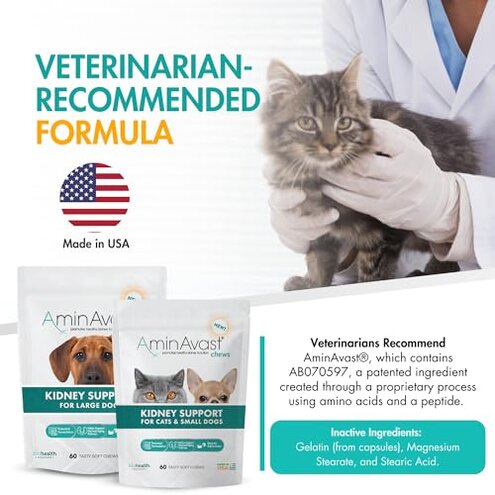
Main regret comes from paying a premium for a chew that some pets refuse and that may not show obvious benefits during daily use. That exceeds normal category risk because acceptance and consistency matter more here than with occasional pet treats. Verdict: avoid it if your pet is picky, your budget is tight, or you need clear feedback that the supplement is working.
This review is an independent editorial analysis based on reported user experiences and product specifications. NegReview.com does not sell products.