
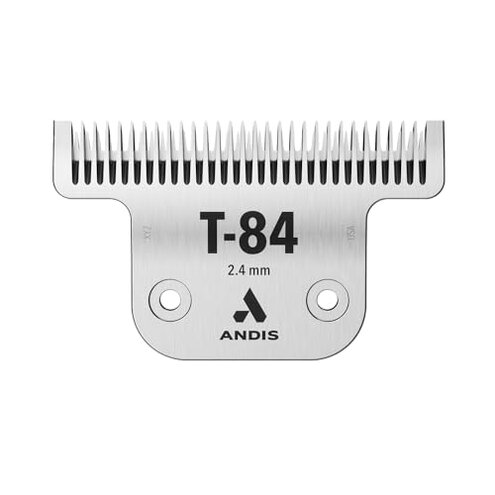
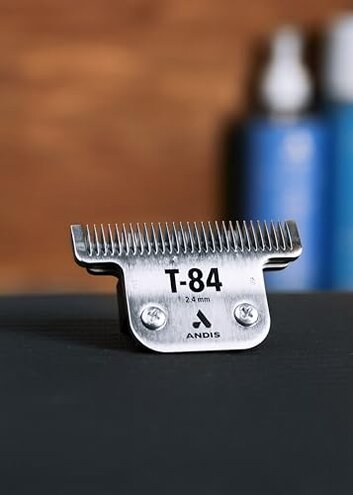
Product evaluated: Andis 21641 Carbon-Infused Steel UltraEdge Pet Clipper Blade, Size-T-84, 3/32-Inch Cut Length
Related Videos For You
Proper Blade Maintenance: How to Clean & Oil Clipper Blades
How to Use Clippers when Grooming a Shaggy-Haired Dog : Dog Grooming
Data basis: This report summarizes dozens of buyer impressions collected from written feedback and video-style demonstrations reviewed between 2023 and 2026. Most feedback came from written comments, with supporting usage clips and follow-up notes helping show what happens during real grooming sessions.
| Buyer outcome | This blade | Typical mid-range alternative |
|---|---|---|
| First-pass cutting | Less forgiving on thick or matted coats when prep is not ideal | More tolerant of average home-use coat prep |
| Compatibility confidence | Higher risk of fit questions across detachable clipper setups | Usually simpler if bought within the same clipper system |
| Heat during use | Can become disruptive in longer grooming sessions | Usually manageable with normal pauses |
| Maintenance burden | More upkeep than many buyers expect at this price | Moderate upkeep is more typical |
| Regret trigger | Stops the session when it snags, heats up, or needs extra oiling | Usually slows the session rather than stopping it |
Why does it seem to pull instead of glide?
This is a primary issue because the regret shows up during the exact moment buyers wanted to save time. The trade-off is simple: when coat prep is not great, the blade can feel more grabby than expected.
This pattern appears repeatedly in real grooming use, especially on long, dense, or uneven hair during first passes. Compared with a typical mid-range blade, that makes it more disruptive than expected for home users.
- Early sign: The blade slows down and leaves uneven patches after setup, especially on thicker sections.
- Frequency tier: This is the primary complaint, seen across multiple feedback styles rather than a one-off mismatch.
- Usage moment: It tends to show up during daily use when buyers move from brushed areas to bulkier coat.
- Likely cause: A narrow margin for coat condition means the blade is less forgiving if hair is dirty, tangled, or packed.
- Impact: The session takes extra passes, which adds time and raises the chance of clipper stress.
- Attempts: Buyers commonly try more oil, slower strokes, or shorter sections before seeing improvement.
- Fixability: It is partly fixable, but only if you already know how to prep coats well.
Why does grooming pause for heat so often?
Heat buildup is a secondary issue, but it becomes more frustrating when it happens alongside snagging. The regret is not just warmth. It is having to stop mid-session and reset your pace.
This is not universal, yet the pattern stays persistent in longer body trims or repeated passes over dense hair. For this category, some warmth is normal, but this can feel worse than the baseline because it arrives faster when cutting is already not smooth.
Worsens in long sessions and when buyers try to power through a difficult coat instead of taking short breaks. That hidden time cost matters more than expected for a replacement blade.
- Intensity: This is a secondary complaint, less frequent than pulling but often linked to it.
- When it hits: It usually appears after setup, once the blade has been working continuously for a while.
- What makes it worse: Thick coats, repeated passes, and long full-body trims raise the chance of interruption.
- Buyer impact: Stops for cooling can turn a quick groom into a more stressful session for both user and pet.
- Typical workaround: Buyers often rotate blades, pause often, or use cooling steps that add extra handling.
- Hidden requirement: It works better if you already expect blade management, which many casual buyers do not.
Will it fit your clipper without extra hassle?
- Compatibility risk: This is an edge-case issue, but more frustrating when it occurs because it blocks use completely.
- Pattern signal: It is less frequent but persistent, especially when buyers rely on cross-brand detachable systems.
- Real moment: The problem appears on first use, when the blade does not seat, align, or behave as expected.
- Why regret feels high: In this category, buyers reasonably expect detachable blades to be straightforward if listed as compatible.
- Why this feels worse: Compared with a typical mid-range same-system blade, cross-setup use here can be less confidence-inspiring.
- Time cost: Buyers may spend extra time checking fit, tension, and clipper behavior before grooming starts.
- Mitigation: The safer path is staying within the exact clipper family instead of assuming broad interchangeability.
- Bottom effect: Even if fit works, uncertainty alone can make this a poor choice for rushed home grooming.
Why does a simple blade need so much upkeep?
- Maintenance load: This is a secondary issue that becomes noticeable after repeated use, not just the first groom.
- Pattern statement: The need for oiling and careful care appears commonly reported rather than occasional neglect.
- Usage context: It shows up during repeated grooming when buyers expect a quick swap-and-go routine.
- Category contrast: All blades need care, but this can feel more upkeep than most mid-range alternatives for casual owners.
- Hidden requirement: Buyers may need better cleaning habits and more frequent checks than the listing alone suggests.
- Visible effect: If upkeep slips, cutting quality can drop fast enough for users to notice immediately.
- Why that matters: The blade may still function, but the extra steps reduce the convenience people pay for.
Illustrative excerpt: “It started clipping fine, then kept catching on the thicker spots.” Primary pattern.
Illustrative excerpt: “I had to stop halfway because the blade got too warm.” Secondary pattern.
Illustrative excerpt: “It fits my clipper, but not as smoothly as I expected.” Edge-case pattern.
Illustrative excerpt: “Works better if I oil it more often than my other blade.” Secondary pattern.
Who should avoid this
- Skip it if you groom thick or long coats at home and want a forgiving first pass without expert prep.
- Avoid it if you do full-body trims in one session and dislike stopping for cooling or blade rotation.
- Pass on it if you are mixing brands and need simple, no-drama compatibility on first install.
- Not ideal if you want low-maintenance blade care and do not want extra oiling steps.
Who this is actually good for
- Better fit for experienced groomers who already prep coats carefully and expect maintenance.
- Makes sense for buyers using short sessions, where heat buildup is easier to manage.
- More suitable if you already own matching detachable clippers and know your setup works.
- Fine choice if you accept extra upkeep in exchange for a specific cut length and blade format.
Expectation vs reality
Expectation: A detachable blade should cut cleanly after a quick swap.
Reality: Coat prep matters more here than many casual buyers expect, and poor prep can turn into snagging fast.
Reasonable for this category: Some blade warmth in use.
Worse-than-expected reality: Long sessions can require more stopping and management than a typical mid-range alternative.
Expectation: Listed compatibility means low setup stress.
Reality: Cross-brand use can still create fit doubts that add time before grooming begins.
Safer alternatives
- Choose same-system blades if compatibility certainty matters more than broad detachable claims.
- Look for cooler-running options if you groom large areas in one sitting and hate forced pauses.
- Prioritize forgiving coat performance if your pet has dense or uneven hair and you are not an expert at prep.
- Buy a maintenance-friendly blade if you want fewer oiling and cleaning steps between sessions.
The bottom line
Main regret trigger: This blade becomes hard to recommend when snagging and heat stack together during a real grooming session. That exceeds normal category risk because buyers expect a replacement blade to save time, not add more prep, pauses, and setup doubt. Verdict: Avoid it if you want easy home grooming with thick coats or mixed-brand clippers.
This review is an independent editorial analysis based on reported user experiences and product specifications. NegReview.com does not sell products.