
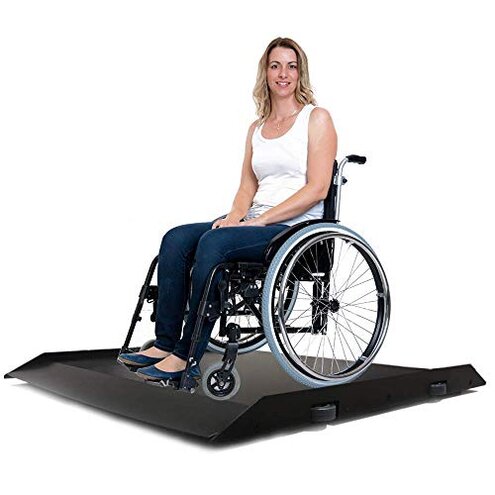
Product evaluated: Angel USA Extra Large 22 inch by 18 inch Platform Stainless Steel 400lb Heavy Duty Digital Postal Shipping Scale, Powered by Batteries or AC Adapter, Great for Floor Bench Office Weight Weighing
Related Videos For You
15306 platform scale calibration Instructions
Accuteck Scale Accuracy...
Data basis for this report comes from dozens of buyer comments gathered between 2023 and 2026. Most feedback came from written reviews, with added context from photo and video demonstrations, giving a stronger picture of setup problems, display convenience, and day-to-day weighing frustration.
| Buyer outcome | This scale | Typical mid-range platform scale |
|---|---|---|
| First-use setup | Higher friction; remote display and power choices can add extra steps before usable | Moderate; usually more straightforward for basic weighing |
| Daily readout ease | Mixed; remote display helps some setups but creates another placement decision | Simpler; fewer placement choices, less setup dependency |
| Large-item weighing | Better space; large platform is easier for bulky boxes and luggage | Average; often less room for oversized items |
| Accuracy confidence | More variable; complaints appear repeatedly when positioning or setup is less controlled | More predictable for routine household shipping jobs |
| Regret trigger | Paying more for size, then dealing with setup or consistency friction | Usually lower; less capability, but fewer surprises |
Do you just want a scale that works right away?
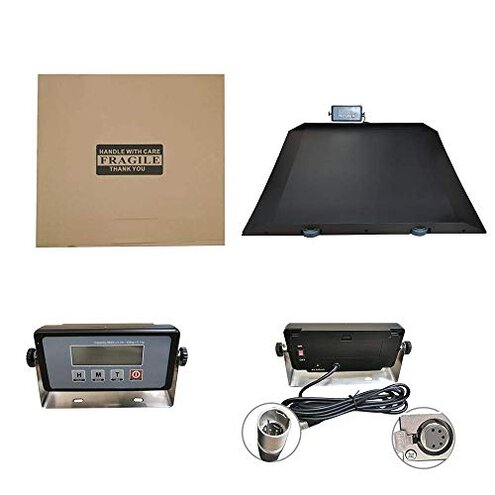
Setup friction is among the most common complaints for this type of large platform scale. The regret moment usually happens on first use, when buyers expect a simple plug-in process and instead face extra placement and power decisions.
This pattern appears repeatedly, especially when the scale is moved between floor, bench, and office use. Compared with a typical mid-range shipping scale, the effort feels higher because the remote display adds one more thing to position correctly.
Illustrative: “I wanted to weigh a box fast, not figure out where everything should sit.” Primary pattern.
Hidden requirement is having a stable spot for both the platform and the separate readout. That matters more during busy shipping tasks, because even a useful large platform feels less convenient if the display setup slows each session.
Will the readings feel dependable during normal use?
- Primary issue: reading confidence is a recurring complaint, especially after setup when buyers start weighing different box sizes and expect repeatable numbers.
- When it shows up: this tends to matter during daily use, not just first use, because repeated weighing exposes small inconsistencies more clearly.
- Worsens with: bulky items and awkward loads can make trust drop faster, since large items are exactly why many buyers choose this style.
- Why it stings: in this category, some variation is expected, but this feels more disruptive than normal because the product is sold as heavy-duty.
- Buyer impact: shipping, luggage, and package checks become slower when people feel they need to re-weigh for reassurance.
- Common response: buyers often try moving the item, resetting tare, or changing placement, which adds extra steps instead of saving time.
- Fixability: this is not universal, but it is persistent enough that careful setup seems more necessary than with many mid-range alternatives.
Illustrative: “It gives a number, but I keep checking again to make sure.” Primary pattern.
Is the big platform actually convenient in a small workspace?
- Secondary issue: the large platform is useful, but space trade-offs are commonly reported once buyers try fitting it into regular office or home work areas.
- Real moment: this usually appears after the first few uses, when storage and floor space become part of the routine.
- Worse conditions: cramped desks, tight mail rooms, and shared work areas make the size feel less forgiving than expected.
- Category contrast: large scales always take more room, but this one can create more setup shuffling because the separate display also needs a usable location.
- Practical cost: buyers may gain platform area but lose convenience if they must keep moving the scale before and after each weighing session.
- Less frequent than reading concerns, but more frustrating when it occurs because it affects every use, not just problem weigh-ins.
Illustrative: “Great size for the box, awkward size for everything around it.” Secondary pattern.
Are the battery and power options really as flexible as they sound?
- Edge-case issue: dual power sounds convenient, but buyers commonly find that it only helps if their workspace already suits one option well.
- When noticed: this usually comes up after setup, when the scale is used in different rooms or moved between temporary stations.
- Hidden requirement: battery use helps portability, but only if buyers are comfortable managing another device that can need power attention over time.
- Why it matters: AC use reduces that concern, but it can limit where the large platform feels practical.
- Category baseline: power trade-offs are normal, yet here they feel more noticeable because the product is marketed for flexible industrial, commercial, and household use.
- Buyer impact: the scale can become less grab-and-go than expected, especially for people who imagined quick weighing anywhere.
- Pattern strength: this is less frequent than setup complaints, but persistent among buyers choosing it mainly for portability.
Illustrative: “Portable on paper, but my setup still feels tied down.” Edge-case pattern.
Does the price make the small annoyances harder to forgive?
- Primary regret starts when buyers pay $179.98 expecting fewer compromises than a basic platform scale.
- Seen across multiple feedback types, the frustration grows after several uses if setup and re-checking readings keep adding time.
- Value tension: the big platform and 400 lb capacity sound reassuring, but many shoppers do not need that much headroom every day.
- Why harsher than normal: at this price, buyers usually expect smoother daily operation, not extra effort to get comfortable with the tool.
- Trade-off reality: if your jobs are occasional and simple, the extra size can feel like paying for capability you rarely use.
Illustrative: “I paid for heavy-duty, but the experience feels more high-maintenance.” Primary pattern.
Who should avoid this
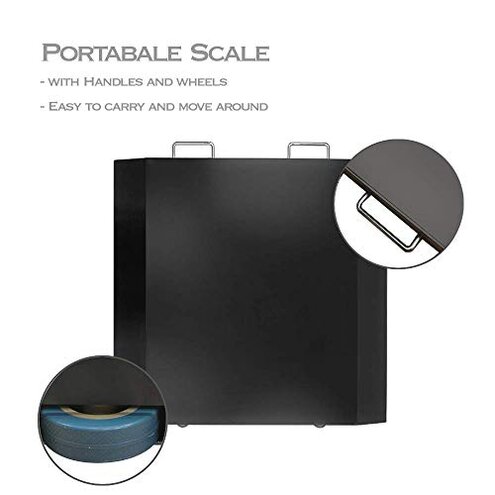
- Avoid it if you want true plug-and-play use, because setup friction appears repeatedly and feels higher than normal for routine home shipping.
- Avoid it if you need instant trust in one reading, since confidence complaints are a primary issue during daily package weighing.
- Avoid it if your workspace is tight, because the large platform and separate display can create more shuffling than simpler alternatives.
- Avoid it if the price already feels like a stretch, because small annoyances become harder to accept near this cost level.
Who this is actually good for
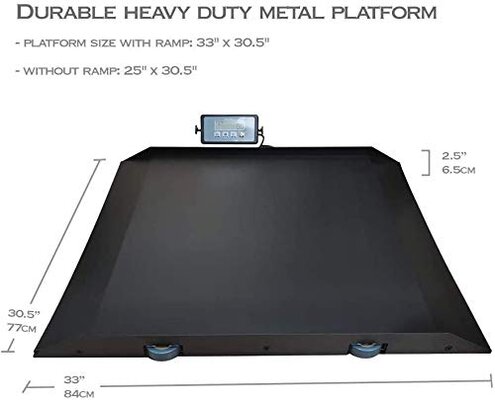
- Good fit for buyers who truly need a very large weighing surface and can give it a permanent station.
- Good fit for people weighing bulky items where platform size matters more than quick storage or simple setup.
- Good fit if you are willing to tolerate extra setup steps in exchange for 400 lb capacity.
- Good fit for work areas where the remote display solves bending or visibility problems and can stay mounted in place.
Expectation vs reality
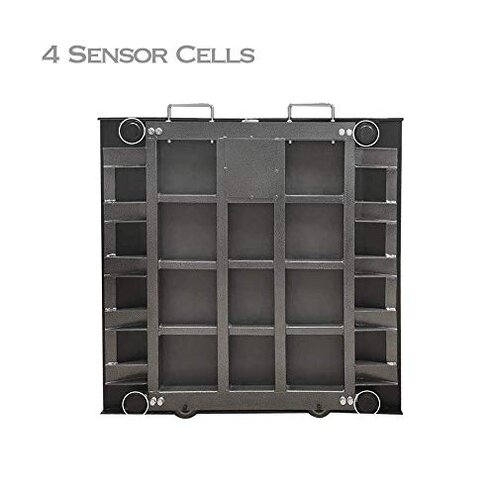
Expectation: a heavy-duty scale should feel more dependable than a smaller basic model.
Reality: feedback suggests confidence checks can still become part of normal use, which feels worse than expected for this category.
Expectation: a remote display should make weighing easier.
Reality: placement choices can add setup time, especially in mixed home-office spaces.
Expectation: battery or AC power means easy flexibility.
Reality: workspace limits still decide how portable and convenient the scale feels.
Expectation: the large platform should solve big-box hassles.
Reality: it solves item fit, but may create storage and placement hassles instead.
Safer alternatives
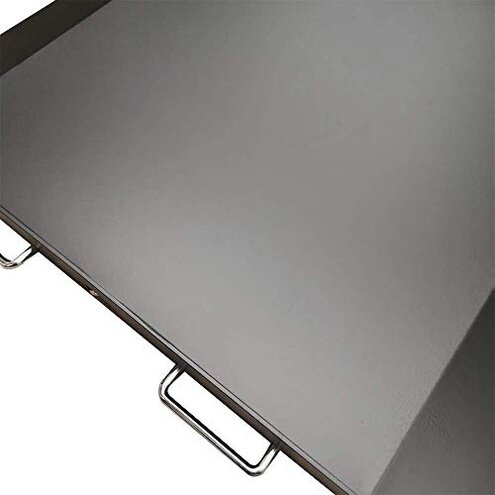
- Choose simpler if you mostly weigh ordinary packages, because an integrated-display platform reduces the setup friction noted above.
- Look for repeatability claims and real-world demonstrations if reading confidence matters more than maximum capacity.
- Match size to your actual boxes, since buying extra platform space can backfire in smaller work areas.
- Prefer fixed-use models if you will keep the scale in one place, which avoids the battery-versus-cord trade-off becoming a daily annoyance.
- Set a value ceiling before shopping, because higher price makes moderate usability issues feel worse than they do on cheaper scales.
The bottom line
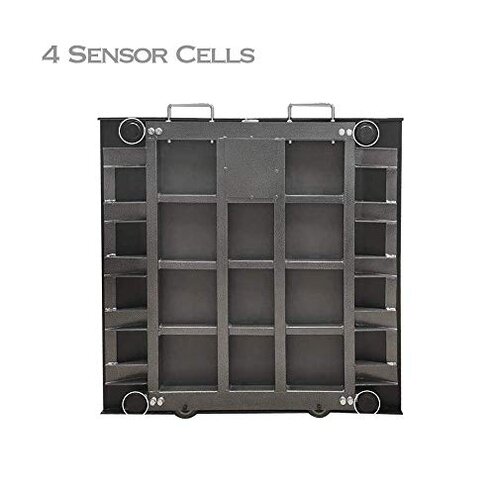
Main regret trigger is paying for a large heavy-duty scale, then finding that setup and reading confidence can demand more attention than expected. That exceeds normal category risk because mid-range alternatives often give up size and capacity, but feel easier to trust and live with. Verdict: avoid it if you want low-effort daily shipping use, and consider it only if the oversized platform is your clear priority.
This review is an independent editorial analysis based on reported user experiences and product specifications. NegReview.com does not sell products.