
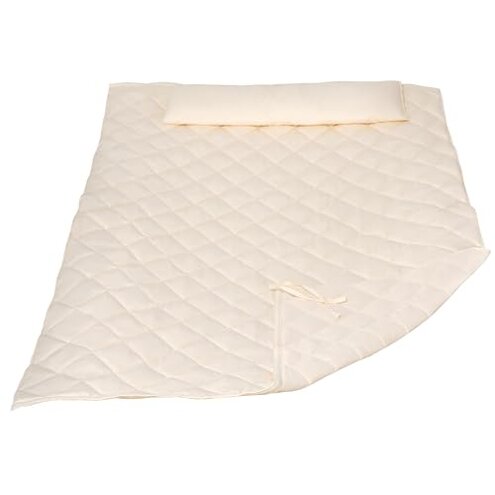
Product evaluated: ANOW Double Hammock Pad and Hammock Pillow Set, Portable Polyester Hammock Pad, Cream
Related Videos For You
Using a Camping Pad as Hammock Insulation
Hammock / Staying warm / on a budget / How to use a inflatable and a closed foam pad in the hammock
Data basis: This report uses dozens of buyer comments gathered from written feedback and photo or video-backed impressions collected across recent listing activity and older feedback patterns through 2024 to 2026. Most input came from short written reviews, with supporting visual posts helping confirm setup, fit, and real-world comfort problems.
| Buyer outcome | ANOW pad set | Typical mid-range alternative |
|---|---|---|
| First-fit confidence | Higher risk of trial-and-error because fit depends on your hammock shape and tie points. | Usually easier if the pad is cut for standard spreader-bar sizes. |
| Comfort after setup | Mixed; comfortable when aligned well, but shifting reduces support during longer lounging. | More predictable cushioning with fewer adjustments during use. |
| Daily upkeep | More effort because repositioning and storage care can add extra steps. | Lower upkeep for routine backyard use. |
| Outdoor forgiveness | Less forgiving than normal if left out often or used in changing weather. | Typical risk, but many mid-range pads handle casual exposure better. |
| Regret trigger | Most regret starts when buyers expect a quick universal upgrade and get a pad that needs matching, tying, and readjusting. | Less regret when sizing and attachment are more forgiving. |
Why does a simple hammock upgrade turn into a fit problem?
This is the primary issue and among the most common complaints for this category. The frustration usually starts during setup, when buyers expect a universal fit but find the pad needs closer matching to hammock width, bar spacing, and tie locations.
The trade-off is clear: the large size sounds family-friendly, but that same size can be more awkward than expected on some hammocks. Compared with a typical mid-range pad, this feels less forgiving because a small mismatch is more noticeable once you lie down.
- Pattern: Recurring fit complaints appear repeatedly, though they are not universal for every hammock style.
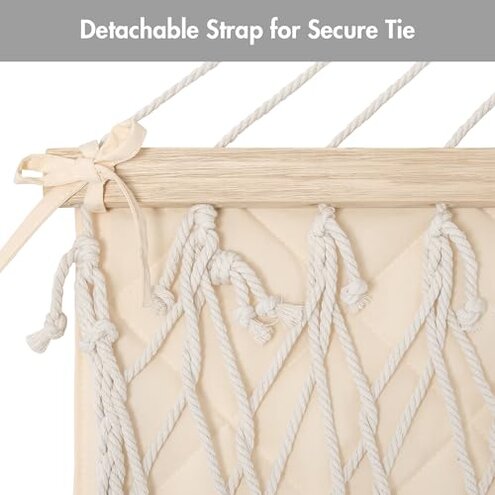
- When it hits: First use is where the problem shows up, especially after buyers try to center the pad and secure the side ties.
- What buyers notice: Overhang, bunching, or a pad that does not sit cleanly across the hammock bed.
- Why it feels worse: Universal fit is promised, so buyers expect less guesswork than this category usually requires.
- Real impact: Extra setup time can turn a quick backyard upgrade into a return decision.
Illustrative: “It fits, but only after a lot more adjusting than I expected.” Primary pattern.
Does the pad shift around once you finally get comfortable?
- Frequency tier: Primary issue; less common than fit mismatch, but more frustrating once it starts during daily use.
- Usage moment: Long lounging, reading, or napping tends to expose movement more than short sit-down use.
- Early sign: Re-centering the pad before each use is a common warning that it is not staying put well enough.
- What worsens it: Getting in and out repeatedly or sharing the hammock makes shifting more noticeable.
- User-visible effect: Support changes under your back or legs, so the comfort feels uneven.
- Category contrast: Some movement is normal in hammock pads, but this can be more disruptive than expected for a mid-range option.
- Fixability: Partial only; tighter tying helps, but that adds more fiddling than many buyers want.
Illustrative: “I kept straightening it every time I got back in.” Primary pattern.
Is the comfort payoff lower than the photos suggest?
This is a secondary issue that shows up after setup, not always right away. Buyers who expected an instant plush upgrade sometimes find the comfort depends heavily on perfect placement and the hammock underneath.
The hidden requirement is that this works best only if your current hammock already has a compatible shape and decent support. In this category, a pad should improve comfort broadly, but here the benefit can feel more conditional than expected.
That matters because the included pillow raises expectations for a ready-to-relax set. When the pad shifts or sits awkwardly, the pillow does not fully solve the uneven feel.
Illustrative: “Soft enough, but not the big comfort jump I bought it for.” Secondary pattern.
Will outdoor use create more upkeep than expected?
- Pattern signal: Persistent complaints about upkeep appear across different feedback styles, especially from regular outdoor users.
- When it shows: After repeated use, buyers start noticing the effort needed to keep it looking neat and ready to use.
- Worsening condition: Frequent exposure to changing weather or leaving it outside adds more care pressure.
- What buyers feel: More babysitting than expected for a simple hammock accessory.
- Category baseline: Outdoor pads always need some care, but this can demand more attention than most mid-range alternatives.
- Hidden cost: Storage effort becomes part of ownership if you want to avoid faster wear and a less tidy appearance.
- Mitigation: Bring it in after use and treat it more like a cushion than a leave-out accessory.
- Why people regret it: Convenience drops when a relaxation product adds another item to manage.
Illustrative: “Nice when set up, but I stopped using it because upkeep got annoying.” Secondary pattern.
Could the value feel off if you expected a simple drop-on accessory?
- Frequency tier: Edge-case issue, but it matters because it drives stronger regret when expectations are high.
- Trigger moment: Right after unboxing, buyers compare the price to the amount of setup and compatibility checking required.
- Main cause: Expectation mismatch; the product sounds plug-and-play, but ownership can involve more trial, adjustment, and care.
- Why it stings: At $42.64, buyers often expect fewer compromises in fit and day-to-day convenience.
- Category contrast: Mid-range pads are not perfect, but they usually ask for less compromise before they feel usable.
- Who notices most: Casual buyers upgrading an existing hammock for comfort, not hobbyists willing to tweak setup.
Illustrative: “I wanted easy comfort, not another thing to keep adjusting.” Edge-case pattern.
Who should avoid this

- Avoid it if you want a true drop-on upgrade with little measuring, because fit sensitivity is the biggest regret trigger.
- Avoid it if your hammock already feels narrow or oddly shaped, since alignment problems can feel worse than normal for this category.
- Avoid it if you leave accessories outdoors often, because upkeep demands can exceed what casual backyard users tolerate.
- Avoid it if you dislike fiddly setup, since repositioning can keep showing up during regular use.
Who this is actually good for
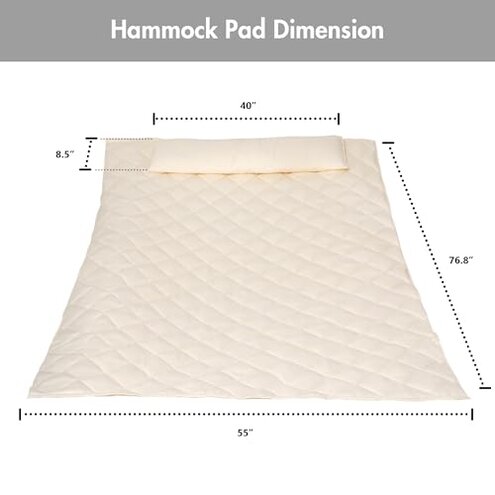
- It can work for buyers with a standard spreader-bar rope hammock who do not mind minor setup tuning.
- It suits people who store cushions indoors and accept extra care steps to keep outdoor gear looking better.
- It fits shoppers who mainly want a softer surface and can tolerate occasional shifting during lighter use.
- It makes sense if you already know your hammock dimensions closely and are willing to trade universal ease for a large pad.
Expectation vs reality
Expectation: A universal hammock pad should attach quickly and look right with minimal effort.
Reality: Fit depends more on your hammock than the listing suggests, so setup can become trial-and-error.
Expectation: Reasonable for this category, a mid-range pad may shift a little but should stay comfortable during normal lounging.
Reality: Movement can be worse than expected during longer sessions or repeated getting in and out.
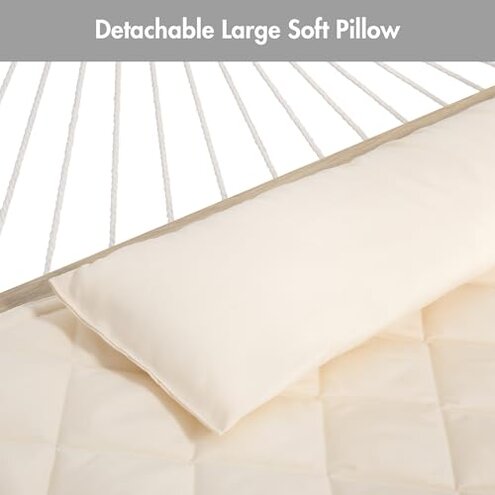
Expectation: A pillow set should make the comfort boost feel immediate.
Reality: Comfort gains can feel conditional if the base hammock shape and pad alignment are not working together.
Safer alternatives
- Measure first and buy a pad with tighter size guidance, which directly reduces the fit mismatch risk.
- Prioritize non-slip attachment or more secure fastening points if you want to avoid the re-centering problem.
- Choose weather-friendlier designs if the pad will stay outside often, which helps neutralize the extra upkeep burden.
- Look for simpler cuts made for your exact hammock style instead of broad universal claims, especially if you dislike setup fiddling.
The bottom line
The main regret trigger is not softness. It is the gap between the universal-fit promise and the real setup, matching, and adjustment effort.
That risk feels higher than normal for this category because common hammock-pad annoyances become more frequent and more visible in daily use. Skip it if you want a low-effort comfort upgrade, and consider it only if you already know your hammock is a close match.
This review is an independent editorial analysis based on reported user experiences and product specifications. NegReview.com does not sell products.