
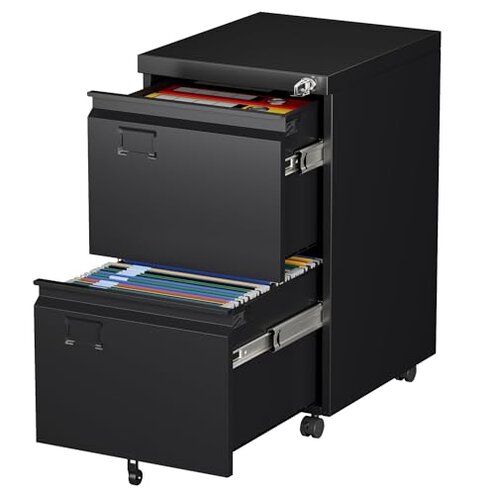
Product evaluated: Aobabo 2 Drawer File Cabinet with Wheels, Lockable Metal Filing Cabinet with Business Card Slot for Legal/Letter Size Home Office, Required Assembled,Black
Related Videos For You
Abus File Cabinet Locking Bar Installation
Anti tip ,safety , interlock, Hon file cabinet
Data basis: This report uses dozens of buyer feedback points collected from written comments and video-style demonstrations between late 2024 and early 2026. Most input came from written experiences, with lighter support from visual setup walk-throughs that helped confirm where frustration tends to start.
| Buyer outcome | Aobabo cabinet | Typical mid-range alternative |
|---|---|---|
| Setup effort | Higher risk of slow assembly and alignment frustration before first use. | Usually easier with fewer fitment surprises. |
| First-week usability | More variable if drawers or wheels do not line up cleanly after setup. | More predictable right after assembly. |
| Daily drawer use | Less forgiving when opened often or loaded unevenly. | Typically smoother under normal home-office use. |
| Lock confidence | Basic security, but setup quality can affect how reassuring it feels. | More consistent from unit to unit. |
| Regret trigger | Time loss from assembly plus drawer adjustment feels worse than expected for this price tier. | Lower chance of needing extra tweaking after setup. |
Do you want a cabinet that works right away, not after extra fiddling?
Primary issue: assembly friction appears among the most common complaints for cabinets in this style. The regret moment usually starts on day one, when a buyer expects basic setup but runs into extra steps.
Pattern: this is recurring, not universal. It feels worse than a reasonable category baseline because most mid-range file cabinets still require assembly, but they usually do not demand as much adjustment to feel usable.
- Early sign: frustration starts during setup when parts, panels, or slides need closer attention than expected.
- Frequency tier: this is a primary issue seen across multiple feedback types.
- Why it stings: buyers expect assembly-required furniture, but not a build that adds extra time before filing anything.
- Hidden requirement: using a regular screwdriver is specifically suggested, which means setup may be less forgiving if you hoped for a quick tool-light build.
- Impact: if alignment starts slightly off, the cabinet can feel unfinished even when fully assembled.
- Fixability: careful re-tightening can help, but that adds more steps than typical for this category.
Illustrative: “I thought I’d be filing papers tonight, not rebuilding one drawer twice.” Primary pattern.
Will the drawers feel smooth once you start using it every day?
- Core problem: drawer alignment is a secondary issue, but it becomes more frustrating than assembly when it affects daily access.
- When it shows up: the problem tends to appear after setup, especially on the first few open-close cycles.
- Worsening condition: it feels more noticeable with daily handling or when files are loaded unevenly.
- Pattern signal: this issue appears repeatedly, though not on every unit.
- Why worse than normal: most mid-range cabinets may not glide perfectly, but they usually do not make buyers question whether they built it wrong.
- User impact: sticking or uneven travel makes quick filing feel slower than it should.
- Common attempt: buyers often try loosening and retightening hardware to improve travel.
- Residual risk: even after adjustment, confidence can stay mixed if one drawer remains less smooth.
Illustrative: “One drawer is fine, the other keeps reminding me this was budget furniture.” Secondary pattern.
Are you expecting sturdy to mean stable during real use?
Regret moment: the cabinet may look acceptable once built, yet feel less reassuring in daily movement than buyers expect from a metal file cabinet. This is a persistent secondary complaint because wheels and drawer weight can expose setup weaknesses.
Context: the issue shows up when the cabinet is rolled, repositioned, or opened with papers inside. That makes it feel worse than normal because mobile cabinets are supposed to stay convenient when moved around a home office.
Trade-off: the wheels add flexibility, but they also create more ways for minor build imprecision to become noticeable. A typical mid-range alternative is often more forgiving when pulled, parked, and opened several times a day.
- Scope: stability concerns are less frequent than assembly complaints, but more annoying when they affect daily use.
- Trigger: opening a drawer while the unit is not perfectly placed can make the cabinet feel less planted.
- Cause: mobile designs need tighter build consistency, so small setup errors can have a bigger effect.
- Buyer impact: the result is less confidence storing heavier stacks, even if the cabinet technically holds them.
- Mitigation: careful placement and lighter loads can reduce the issue, but that limits the point of having a file cabinet.
Illustrative: “It holds files, but I don’t love how it feels when I pull it out.” Secondary pattern.
Is the lock enough if you need dependable document security?
- Main concern: the lock is a useful feature, but lock confidence can become an edge-case issue if drawer fit is inconsistent.
- When it matters: this shows up after assembly when buyers test whether everything closes and secures smoothly.
- Pattern signal: this is not universal, but it persists in feedback from buyers who wanted more reassurance.
- Why worse than expected: in this category, a basic lock is common, but buyers still expect it to feel predictable without extra fiddling.
- Practical limit: if your priority is sensitive paperwork, a merely basic lock can feel lighter-duty than hoped.
- Best-case fit: it works better for casual privacy than for buyers seeking a strong sense of security.
Illustrative: “The lock exists, but it doesn’t give me the confidence I wanted.” Edge-case pattern.
Who should avoid this
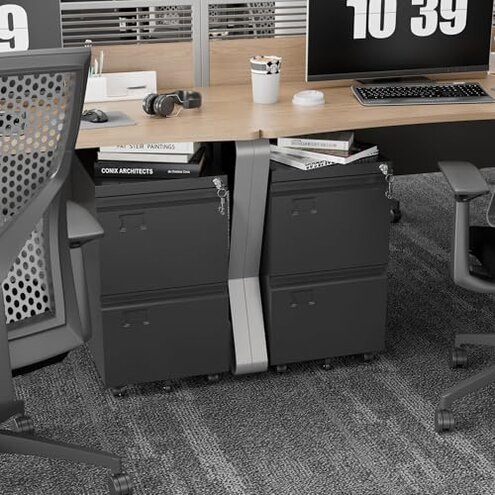
- Avoid it if you want a cabinet that feels ready fast, because assembly friction is the clearest regret trigger.
- Avoid it if you open drawers many times a day, since alignment complaints feel more disruptive in frequent-use offices.
- Avoid it if you need stronger peace of mind for sensitive documents, because the lock experience may feel too basic.
- Avoid it if you dislike tweaking furniture after setup, since this cabinet appears less forgiving than a typical mid-range alternative.
Who this is actually good for
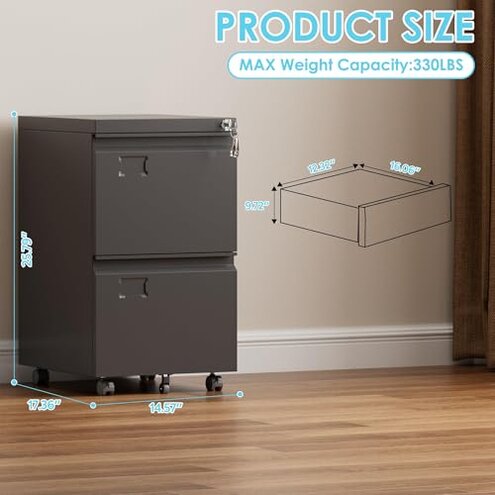
- Good fit for buyers with a tight budget who can tolerate longer assembly to save money upfront.
- Good fit for light home-office use where drawers are opened less often, so minor glide issues matter less.
- Good fit if you mainly want basic paper storage and only occasional privacy, not a highly reassuring security solution.
- Good fit for patient DIY users who do not mind adjustment work during setup.
Expectation vs reality
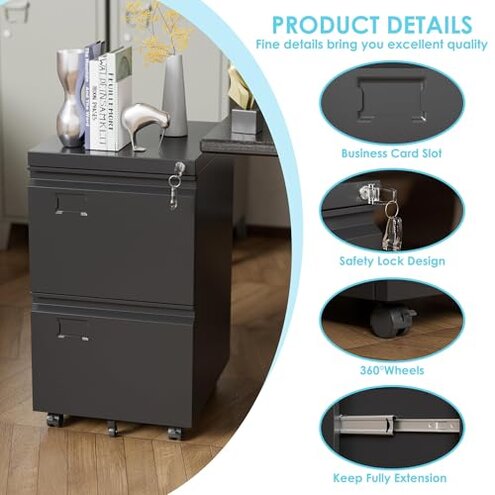
Expectation: a reasonable hope for this category is simple assembly with basic drawer adjustment.
Reality: this cabinet carries a higher-than-normal setup risk, where getting to acceptable drawer function may take extra time.
- Expectation: wheels should make a file cabinet easier to place and use.
- Reality: mobility can also make stability quirks easier to notice during daily opening.
- Expectation: a lockable cabinet should feel reassuring for normal office papers.
- Reality: the lock may feel more basic than buyers expect if fitment is not clean.
Safer alternatives
- Choose pre-assembled or mostly assembled cabinets if your main risk is setup regret.
- Look for full-extension drawer mentions and smooth-use demonstrations to reduce alignment uncertainty.
- Prefer fixed-foot models over wheeled ones if you care more about stability than mobility.
- Shop for stronger lock language and clearer drawer fit details if you need better document security.
- Check for tool requirements before buying, because hidden setup needs often signal a less forgiving build.
The bottom line
Main regret starts with assembly, then can carry into drawer alignment and daily feel. That exceeds normal category risk because even budget file cabinets are expected to become straightforward once built.
Verdict: skip this one if you want easy setup, smooth daily drawer use, or stronger lock confidence. It makes more sense only for buyers willing to trade extra effort for a lower upfront price.
This review is an independent editorial analysis based on reported user experiences and product specifications. NegReview.com does not sell products.