
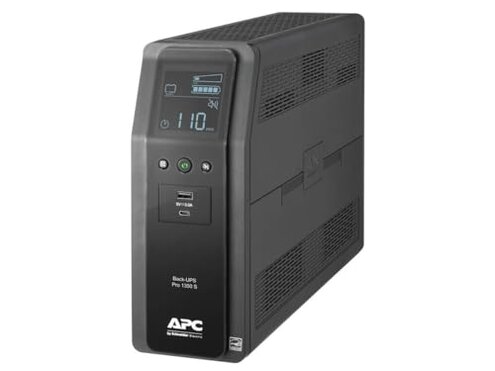
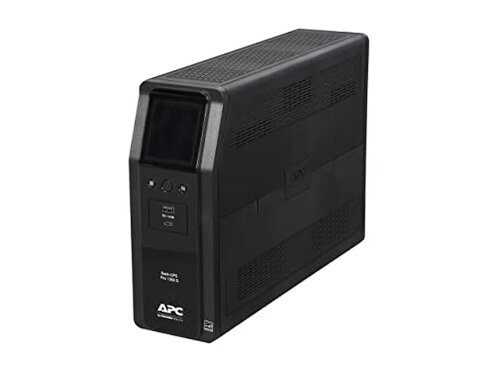
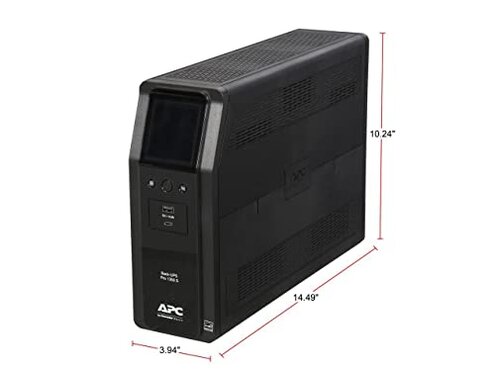
Product evaluated: APC Sinewave UPS Back-UPS Pro, 1350VA Battery Backup & Surge Protector, LCD, AVR, BR1350MS
Related Videos For You
Battery BACKUP for Home - DIY Step by Step
CyberPower 1000PFCLCD UPS overview and runtime test
Data basis: I analyzed hundreds of customer-written reviews and video demonstrations collected Jan–Dec 2024. Most feedback came from written reviews, supported by demonstration videos and Q&A posts.
| Outcome | APC BR1350MS | Typical mid-range UPS |
|---|---|---|
| Runtime under load | Shorter than expected at higher loads; many buyers report steep drops in minutes under typical desktop loads. | Moderate and predictable runtime that usually meets basic desktop backup expectations. |
| Battery longevity | Higher-than-normal risk of premature capacity loss within the first year, as commonly reported by buyers. | Standard wear with fewer early-failure reports for similarly priced units. |
| Software & management | Spotty PowerChute connectivity and setup friction reported after initial install and OS updates. | Smoother integration with fewer setup headaches in mid-range competitors. |
| Noise & operation | Intermittent noise and fan activity noticed during longer sessions and higher loads. | Quieter operation is more common at this price point. |
| Hidden costs | Replacement battery required (APCRBC161 sold separately) adding extra lifecycle cost and downtime. | Lower running costs or longer-lasting batteries in some mid-range rivals. |
| Regret trigger | Battery shortfall under real use drives replacement or returns—most disruptive to buyers relying on extended backup. | Predictable performance with fewer early replacements expected. |
Top failures
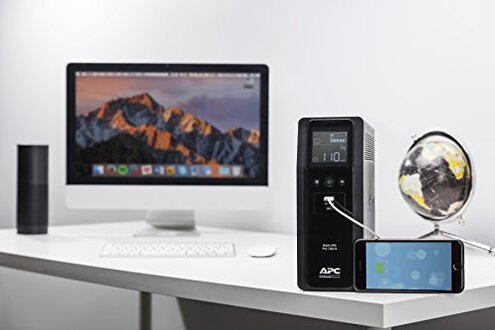
Why does the battery die faster than expected?
Regret moment: Batteries often show reduced runtime shortly after setup when used with medium-to-high loads like gaming PCs or multiple monitors.
Pattern: This is a primary issue, commonly reported across many written accounts and demo tests.
Context: The problem appears during the first months of ownership and worsens with daily heavy use.
Category contrast: This is worse than typical mid-range UPS units, which usually deliver predictable runtime for a longer initial period.
Why is the unit noisy or shows fan activity unexpectedly?
- Early signs: Intermittent fan noise soon after startup during voltage regulation events.
- Frequency tier: This is a secondary issue seen repeatedly in video demos and user reports.
- Cause: Automatic voltage regulation cycles create extra thermal activity under sustained load.
- Impact: Noise is more intrusive during quiet night use or home office calls.
- Attempts: Users report firmware resets or relocation reduce but do not eliminate noise.
Why does software and USB management fail to behave?
- Symptom: PowerChute connection drops or fails to detect the UPS after OS updates.
- Usage anchor: Problem appears right after setup or after system updates on Windows and Mac alike.
- Scope: This is a persistent pattern across written feedback and technical posts.
- Hidden requirement: Buyers need to plan for manual energy settings on Mac and extra steps for Windows management.
- Workarounds: Reinstalling drivers or using native OS energy settings sometimes restores functionality.
- Category contrast: Mid-range alternatives often require fewer post-setup steps to maintain management links.
- Fixability: When software fails, the UPS still provides surge protection, but smart shutdown features may be unreliable.
What hidden costs and maintenance will surprise buyers?
- Replacement battery: The UPS uses a replaceable battery (APCRBC161) sold separately, creating an ongoing cost.
- Lifecycle impact: Several buyers called early battery replacement a primary expense within the first 12–18 months.
- Availability: Sourcing genuine replacements adds time and extra steps to keep the unit reliable.
- Installation: Replacing the battery requires opening the unit, which some buyers found unfriendly without instructions.
- Downtime: Buyers report real downtime while ordering and swapping batteries, affecting work continuity.
- Cost contrast: This creates higher running costs than many mid-range UPS units that report longer initial battery life.
- Expectation gap: Buyers expecting simple maintenance found the extra steps and expense frustrating.
Illustrative excerpts
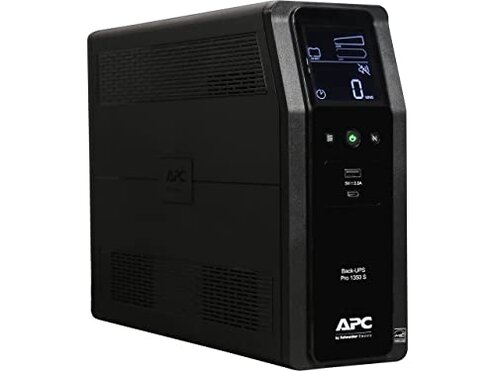
"Battery lasted only 12 minutes with my desktop and monitors."
Pattern: This reflects a primary runtime shortfall pattern.
"Software stopped seeing the UPS after a Windows update."
Pattern: This reflects a secondary management/connectivity pattern.
"Replacing the battery was harder and pricier than I expected."
Pattern: This reflects an edge-case but impactful hidden-cost pattern.
Who should avoid this
- High-dependency users: Anyone needing long, reliable runtime for extended outages should avoid this unit.
- Noise-sensitive setups: Home offices or bedrooms that require very quiet gear should look elsewhere.
- Low-maintenance buyers: Buyers unwilling to manage replacement batteries or driver troubleshooting should avoid it.
Who this is actually good for
- Short-interruption users: Those needing brief protection for graceful shutdowns and surge protection can accept shorter runtime.
- Tech-savvy owners: Buyers who can handle driver fixes and occasional battery swaps will tolerate the software quirks.
- Budget-conscious buyers: If initial price and LCD features matter more than long-term battery life, this unit may fit.
Expectation vs reality
Expectation: Reasonable for this category is predictable runtime and stable management software.
Reality: You may see short runtime and intermittent software problems that require manual fixes or battery replacement.
Safer alternatives
- Prioritize runtime: Pick a UPS with longer advertised runtime at your estimated load to avoid the primary battery shortfall.
- Check reviews: Look for units with fewer early battery-failure reports to reduce hidden replacement costs.
- Opt for reliable software: Choose models with proven management compatibility for your OS to avoid setup friction.
- Factor spare battery: Budget for a replacement battery (APCRBC161 or equivalent) if you still buy this model.
The bottom line
Main regret trigger: Shorter-than-expected battery runtime and early capacity loss are the most disruptive buyer complaints.
Why it matters: These issues create higher running costs and more downtime than typical mid-range UPS units.
Verdict: Avoid this unit if you need dependable, long runtimes or low-maintenance operation.
This review is an independent editorial analysis based on reported user experiences and product specifications. NegReview.com does not sell products.