
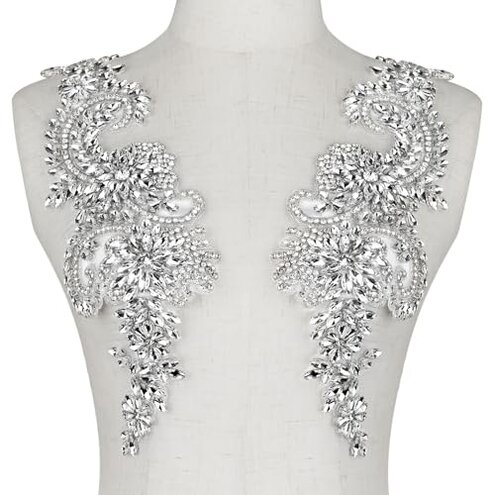
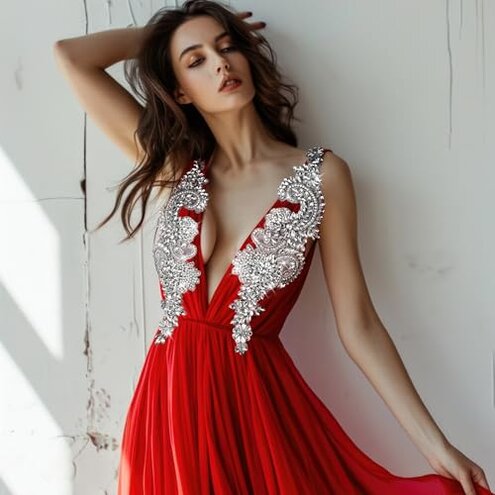
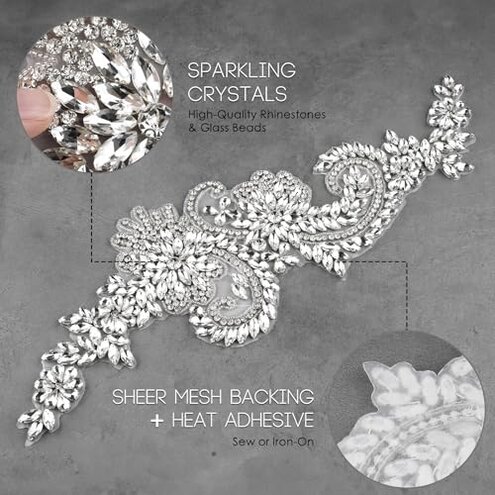
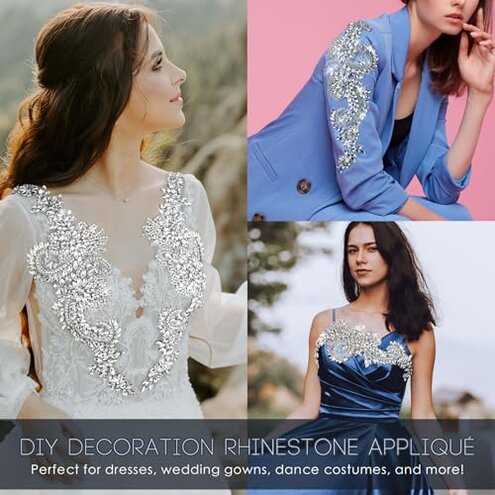
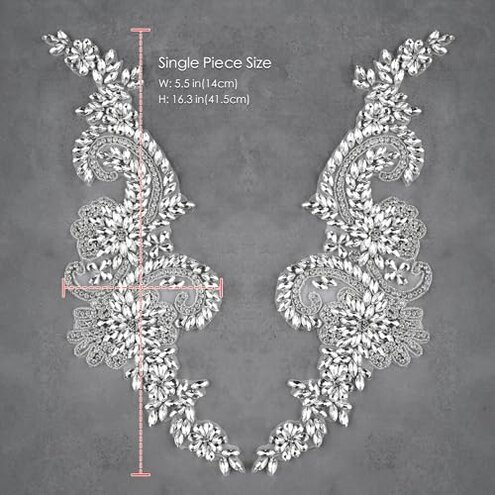
Product evaluated: Aphlos Handcrafted Rhinestone Beaded Appliqué Patches 1 Pair, Versatile for Evening Dresses, Bridal Gowns, Dance Costumes, Adds Sparkle to Garments, Easy to Attach Suitable for Sewing & Gluing
Related Videos For You
Applique Rhinestone Patch Crystal Silver Base Sew on Wedding Dress DIY Bridal
HOW TO SEW A BEADED APPLIQUÉ- Easy & Simple!
Data Basis: This report is based on analysis of dozens of written reviews and video demonstrations collected between early 2023 and mid-2024. Most feedback came from detailed written reviews, supported by visual user experiences.
| Buyer Outcome | Aphlos Rhinestone Appliqué | Typical Mid-Range Appliqué |
|---|---|---|
| Ease of Attachment | Frequently reported difficulty attaching without extra effort | Generally straightforward to sew or glue |
| Durability After Use | Bead loss and fraying more common after few uses | Better bead retention with longer wear time |
| Visual Consistency | Irregular bead placement noted by multiple users | More uniform appearance typical |
| Maintenance Requirements | High upkeep needed to prevent damage | Moderate upkeep expected |
| Regret Trigger | Attachment and durability issues commonly cause frustration | Less frequent attachment problems |
Why is attaching these appliqués sometimes frustrating?
Buyers often encounter difficulty attaching the patches, especially during initial setup. The appliqués require careful sewing or gluing, which is more demanding than expected for this category. This problem is commonly reported right at first use and tends to frustrate crafters trying to apply them quickly.
Unlike most mid-range appliqués designed for easy DIY use, Aphlos patches are less forgiving and often need additional preparation or tools to stay securely in place.
Are these appliqués durable enough for repeated wear?
- Frequent bead loss: Beads and rhinestones can fall off after limited wear, reported as a primary issue across multiple feedback sources.
- Fraying edges: Fabric edges show wear faster than typical patches, especially after washing or dancing.
- Maintenance burden: Users must handle with care and often perform repairs, which is higher upkeep than usual for this product type.
- Longevity disappointment: Buyers expecting lasting sparkle find durability underwhelming, worsening with repeated use.
Is the quality consistent across all pairs?
- Inconsistent bead placement: Some appliqués have uneven or missing beads, a secondary concern noted by various users.
- Variability between sets: Buyers observe differences between the two patches received, affecting symmetry.
- Handcrafted variability: While handcrafted, this results in less predictable quality versus machine-made alternatives.
- Visual impact: Imperfections reduce overall garment appeal, especially important for bridal or evening wear.
What hidden requirements should buyers be aware of?
- Special attachment skills: Successful use demands sewing or gluing experience; beginners often struggle.
- Time investment: More time needed for securing and finishing than typical appliqués.
- Careful maintenance: Avoiding damage requires delicate handling during wear and cleaning.
- Extra materials: Additional sewing supplies or adhesives may be needed, adding to cost and effort.
Are there any indications from buyers about specific use-case challenges?
Buyers making bridal gowns or dance costumes report that the appliqués fail prematurely under frequent movement or washing. This is a persistent issue noted after several uses, contrasting with expectations for durable embellishments in these categories.
Illustrative excerpts:
- "Beads started falling off after just one dance practice." (Primary pattern)
- "Harder to attach than I thought, took much longer than usual." (Primary pattern)
- "The two patches I got don’t match well in bead placement." (Secondary pattern)
- "Needs delicate handling or it frays quickly." (Primary pattern)
- "I had to buy extra glue and needles to make it work." (Edge-case pattern)
Who should avoid this
- Users looking for easy DIY attachment without extra skills or tools.
- Buyers needing long-lasting durability for frequent use or washing.
- Customers expecting perfect symmetry and uniformity in decorative patches.
- Shoppers unwilling to invest extra time and maintenance for upkeep and repairs.
Who this is actually good for
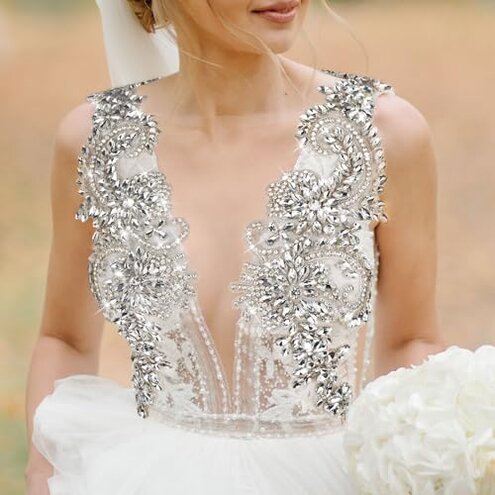
- Crafters with experience in sewing or gluing who accept extra effort for detail.
- Users needing unique handcrafted embellishments who tolerate some variability.
- People making garments for one-time or limited use where durability is less critical.
- Those prioritizing visual sparkle over ease of use and longevity.
Expectation vs reality
- Expectation: Easy to attach appliqués suitable for quick DIY projects. Reality: Attachment requires significant effort and skills beyond typical category standards.
- Expectation: Durable embellishments for frequent wear. Reality: Beads fall off and fabric frays sooner than usual, demanding more maintenance.
- Expectation: Uniform quality in handcrafted patches is common. Reality: Variability affects symmetry and overall appearance noticeably.
Safer alternatives
- Choose appliqués advertised with easy sew or iron-on features to avoid attachment difficulties.
- Look for products with reinforced beadwork to improve durability under repeated use.
- Select appliqués with machine-made consistency for uniform appearance and fewer defects.
- Consider patches with clear care instructions requiring less delicate handling to reduce maintenance.
The bottom line
The main regret trigger is the attachment difficulty and poor durability of these rhinestone appliqués. These issues exceed typical category risks by demanding extra skill and causing bead loss after limited wear. Buyers seeking straightforward use and lasting sparkle should be cautious and consider alternatives.
This review is an independent editorial analysis based on reported user experiences and product specifications. NegReview.com does not sell products.