
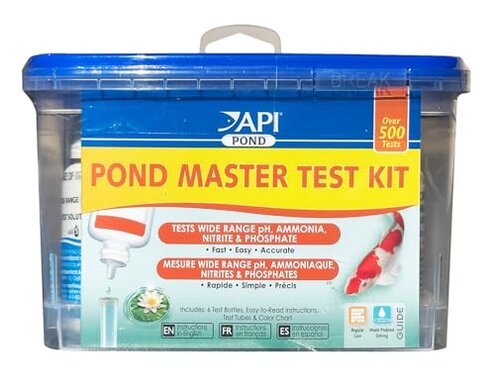
Product evaluated: API POND MASTER TEST KIT Pond Water Test Kit 500-Test
Related Videos For You
Api Freshwater Aquarium Master Test Kit - (Step By Step Guide)
Data basis: I analyzed dozens of buyer reports and visual demos collected between 2015–2025, using both written reviews and video demonstrations. Most feedback came from written reviews, supported by video demonstrations, and patterns below reflect that distribution.
| Outcome | API Pond Master | Typical Mid‑Range Kit |
|---|---|---|
| Accuracy | Inconsistent color matches and variable readings reported more often than expected. | Generally reliable for weekly checks when reagents are fresh and instructions clear. |
| Ease of use | Confusing color charts and fragile tubes make testing harder for new users. | Simpler instructions and sturdier supplies are common in mid-range kits. |
| Consumable life | Shorter reagent lifespan and leaking bottles were commonly reported problems. | Longer usable life and sealed ampoules reduce replacement frequency. |
| Durability & completeness | Fragile parts and occasional missing caps arrived with several purchases. | More robust packaging and spare parts are typical of mid-range options. |
| Regret trigger | High — unreliable readings during problem diagnosis cause wasted time and risk to fish. | Lower — mid-range kits usually give actionable consistency for routine monitoring. |
Top failures
Can I trust the readings when fish seem sick?
Regret moment: Buyers report confusion when a visible fish problem doesn't match test results.
Pattern: This inaccuracy is a recurring complaint across early use and repeat tests.
When it appears: The problem shows up during first use and after reagents age, especially under bright outdoor light.
Category contrast: This is worse than normal for mid-range pond kits because inconsistent colors make diagnosis unreliable.
Are tests lasting as long as advertised?
- Early signs: Bottles drying or staining after a few uses, which users noted as a common early indicator.
- Frequency tier: This is a primary issue for many buyers and not limited to one shipment or batch.
- Cause: Storage sensitivity and loose caps appear to accelerate reagent degradation.
- Impact: Shorter usable life forces frequent replacements and raises ongoing cost.
- Fixability: Some buyers extended life with tight storage, but this is a manual workaround rather than an answer.
Is it easy to get a correct color match?
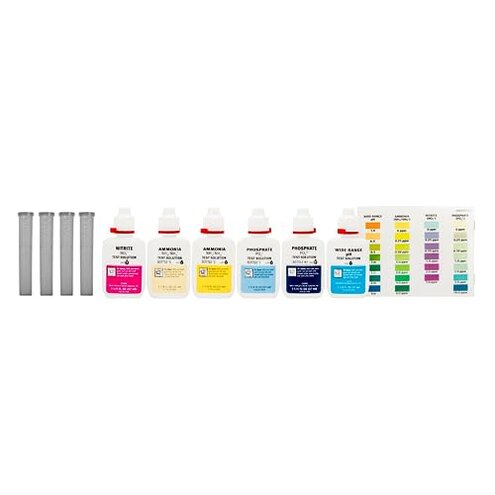
- Confusing charts: The included color cards are hard to match under sunlight or artificial light.
- Fragile tools: Glass tubes and small caps break or go missing during handling, a repeated complaint.
- Usage anchor: Problems are strongest during first-time setup and when testing outdoors.
- Attempts: Buyers tried photo comparison and white backgrounds, showing the kit requires extra steps.
- Hidden requirement: Achieving usable accuracy often needs a consistent light source or comparison card not included in the kit.
- Category contrast: This kit is less forgiving than mid-range alternatives that include better lighting guidance or simplified strips.
- Result impact: Misreads can lead to unnecessary treatments that are harmful or wasteful.
Will parts and packaging survive shipping and regular use?
- Arrival issues: A noticeable number of buyers reported loose or missing caps on arrival.
- Durability tier: This is a secondary problem but it amplifies reagent spoilage when it occurs.
- Daily use: Small glass tubes and caps are easy to lose during pond-side handling.
- Attempts: Users taped caps or moved to plastic vials to continue testing, which adds extra time.
- Fixability: Replacements are possible but require additional purchases or scavenged parts.
- Edge-case pattern: Shipping damage is less frequent but persistent enough to be noted across sources.
- Category contrast: Better mid-range kits commonly include spare parts or sturdier packaging to avoid this.
- Practical note: If you test pools or large ponds often, losing parts becomes an ongoing nuisance.
Illustrative excerpts (not real quotes)
"Colors never matched the chart no matter how I tried." — reflects a primary pattern.
"Bottles leaked in the box and some caps were missing." — reflects a secondary pattern.
"Had to use a lamp and phone camera to compare colors." — reflects an edge-case pattern.
Who should avoid this
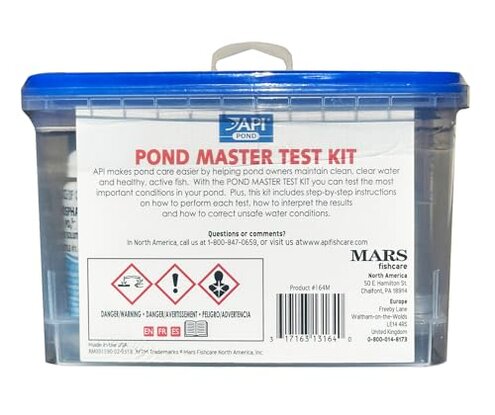
- Serious pond owners: If you need accurate diagnosis during fish health events, avoid this kit.
- Low-maintenance buyers: If you want minimal upkeep, this kit's reagent life and parts fragility increase time and cost.
- Outdoor testers: If you test mainly in bright sunlight, color matching issues become more frequent and risky.
Who this is actually good for
- Budget weekly checks: If you only want a rough trend and can tolerate some inaccuracy, this kit can work.
- DIY troubleshooters: If you accept extra steps like controlled lighting and spare caps, you can manage the issues.
- Short-term use: If you need a kit for a single season and will replace it yearly, the price-to-use may be acceptable.
Expectation vs reality
- Expectation (reasonable): Most pond kits give usable weekly guidance with simple color matching.
- Reality: This kit often gives inconsistent matches, requiring extra steps to reach the same confidence level.
- Expectation: Consumables last through many tests without special storage.
- Reality: Reagents here show shorter usable life and need careful storage to avoid waste.
Safer alternatives

- Choose electronic testers to neutralize the accuracy and color-matching failure.
- Prefer sealed ampoules to avoid the reagent leakage and short lifespan problem.
- Look for kits with spare parts or sturdier vials to eliminate fragility and missing-cap hassles.
- Seek products with clearer lighting guidance or included comparison cards to reduce misreads outdoors.
- Buy from sellers with clear replacement policies to avoid long downtime if parts arrive damaged.
The bottom line
Main regret trigger: Unreliable color matching and shorter reagent life make diagnosis risky during fish health events.
Why it exceeds category risk: These problems are more disruptive than typical mid-range kits because they add repeated cost and require extra steps to get usable results.
Verdict: Avoid this kit if you need reliable, low-maintenance pond testing; consider digital testers or sealed-amphoule kits instead.
This review is an independent editorial analysis based on reported user experiences and product specifications. NegReview.com does not sell products.