
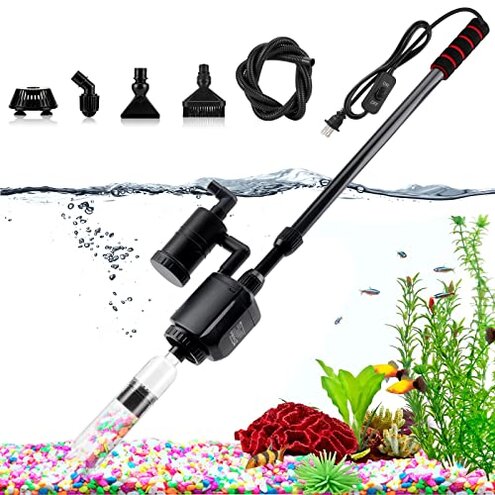
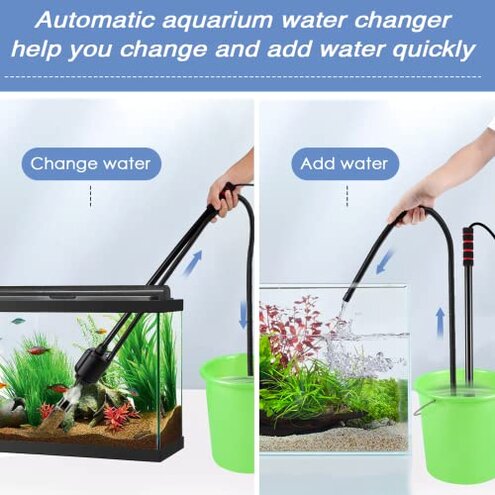
Product evaluated: AQQA Electric Aquarium Gravel Cleaner, 6 in 1 Automatic Fish Tank Cleaning Tools Gravel Vacuum for Aquarium, Suitable for Change Water Wash Sand Water Filter and Water Circulation (320GPH, 20W)
Related Videos For You
How to use Gravel Cleaner Siphon Vacuum in Fish Tank Aquarium
How to Properly Gravel Vacuum a Fish Tank (Detailed Version) #aquariumcoop
Data basis I analyzed dozens of written buyer reviews plus several video demonstrations and Q&A posts collected between 2022 and early 2026. Most feedback came from written reviews, supported by short videos that show real-time failures. Distribution signals skew toward recent buyers reporting first-month problems.
| Outcome | AQQA 6-in-1 | Typical mid-range cleaner |
|---|---|---|
| Suction reliability | Unreliable — suction drops or clogs during use, commonly reported. | Steady — most mid-range models keep suction during long sessions. |
| Mess & leaks | Higher spill risk — water splash and hose leaks seen after setup. | Lower — mid-range designs tend to control splashing better. |
| Noise | Loud motor — noise during continuous operation is frequently noted. | Quieter — comparable models emphasize quieter pumps. |
| Durability | Shorter lifespan — failures reported within weeks to months of regular use. | Typical lifespan — mid-range alternatives often last longer under similar use. |
| Regret trigger | Pump stoppage during water changes that interrupts cleanup and requires disassembly. | Minor interruptions — occasional clogs but fewer full pump failures. |
Why does the pump stop working during cleanup?
Regret moment You may see the pump lose suction mid-change and leave dirty water behind. Severity This is a primary issue and among the most common complaints.
Pattern The failure is commonly reported and often happens after the first few uses. When It appears during active water changes and worsens with long sessions or heavy debris loads.
Category contrast This is worse than typical because mid-range cleaners usually maintain flow during long water changes. Impact Interrupted cleaning adds time and extra handling.
Is the unit clogged or losing suction right after setup?
- Early sign Suction weakens within minutes of starting, a commonly reported early symptom.
- Frequency tier This is a primary issue for many buyers and not an isolated edge case.
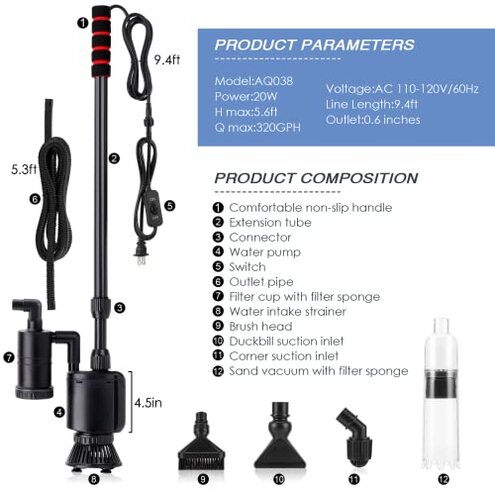
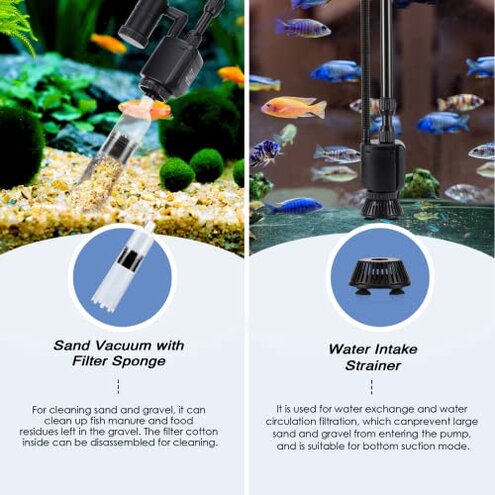
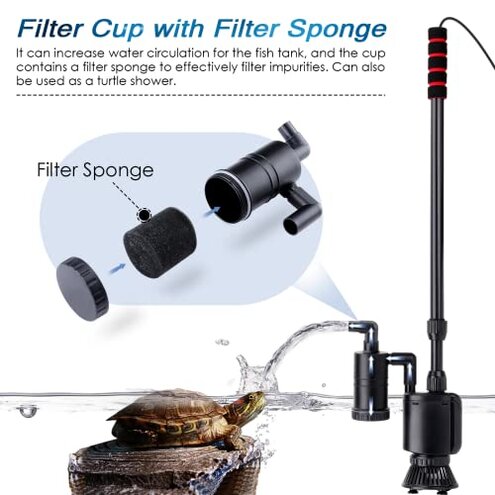
- Likely cause Filter sponge and intake pieces trap food and sand quickly during first uses.
- Usage anchor Happens during first setup and when cleaning gravel with lots of debris.
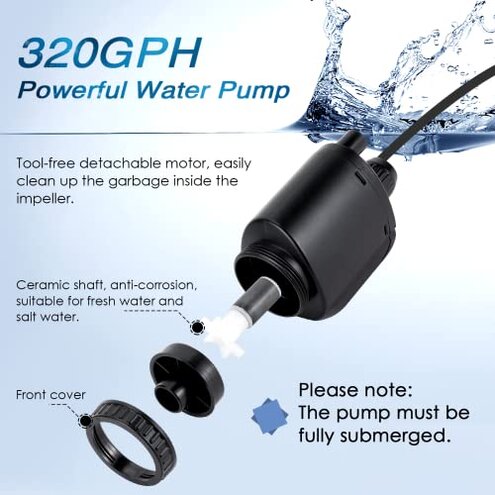
- Fix attempts Buyers report needing repeated disassembly and sponge rinses to restore flow.
Will this make a splash or leak in my room?
- Visible problem Water splashes from hose connections and spill points during transfers.
- Scope Seen across multiple feedback sources, not limited to one buyer type.
- When it worsens Longer transfers and higher flow settings increase splash and leak chance.
- Hidden requirement The pump must stay fully submerged to avoid sputtering and leaks, which buyers sometimes miss.
- Impact Mess on floors and furniture; requires towels and extra drying time.
- Comparative note Mid-range units often include better hose fittings to reduce this risk.
Does maintenance turn into a time sink?
- Time cost Regular sponge cleaning and hand-clearing clogs is commonly required after every few uses.
- Frequency This is a secondary but persistent pattern for regular aquarium keepers.
- Root cause Small filter cup and narrow intake collect debris fast and need frequent attention.
- Effort Repair attempts include repeated take-apart cycles that add extra steps and time.
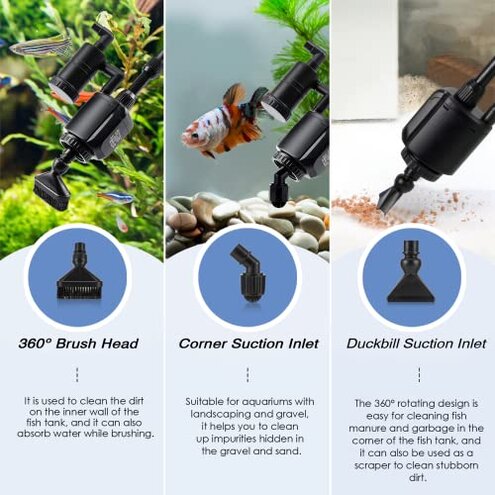
- Hidden parts Some connectors and heads must be swapped often, increasing setup friction.
- Fixability Temporary fixes exist, but long-term reliability remains less than typical mid-range options.
- Buyer trade-off You trade convenience for lower price and must accept more hands-on maintenance.
Illustrative excerpts
Excerpt "Pump stopped three times during one water change, had to clear sponge each time." — primary pattern
Excerpt "Hose leaked onto my cabinet when I bumped it while transferring water, big mess." — secondary pattern
Excerpt "Device sputters if not fully submerged, which I didn't realize at purchase." — edge-case pattern
Who should avoid this
- High-frequency cleaners Avoid if you perform weekly or longer water changes and need uninterrupted suction.
- Inattentive users Avoid if you cannot keep the pump fully submerged and check hose fittings during use.
- Low-tolerance for noise Avoid if loud motor noise will bother you during operation.
- Minimal maintenance Avoid if you expect a low-effort, set-and-forget tool without frequent cleaning.
Who this is actually good for
- Budget buyers Good if you accept extra upkeep in exchange for a lower upfront price.
- Small tanks Good for small aquariums where shorter sessions reduce clogging risk.
- DIY improvers Good if you are willing to upgrade hoses or add pre-filters to reduce clogs.
- Occasional users Good if you only need occasional cleanups and can tolerate sporadic maintenance.
Expectation vs reality
Expectation A 6-in-1 kit should simplify cleaning like many mid-range vacuums do.
Reality In practice the pump and filter need frequent attention and cause interruptions.
Category note It is reasonable for this category to require some filter cleaning. Worse-than-expected frequency and pump stoppage make the effort level higher than most mid-range cleaners.
Safer alternatives
- Choose models with larger inline filters to reduce clogging and match the suction reliability issue.
- Prefer kits that advertise secure hose fittings or quick-lock connectors to prevent splashes and leaks.
- Pick pumps rated for continuous operation and quieter motors to address noise and durability concerns.
- Look for units with easy-access filter cups to lower maintenance time and reduce disassembly steps.
The bottom line
Main regret The pump's unreliable suction and frequent clogs are the primary reasons buyers report regret.
Why worse These failures interrupt cleaning and add maintenance beyond normal category expectations.
Verdict Avoid if you need steady, low-maintenance performance; consider small repairs or higher-end alternatives if you keep regular water changes.
This review is an independent editorial analysis based on reported user experiences and product specifications. NegReview.com does not sell products.