
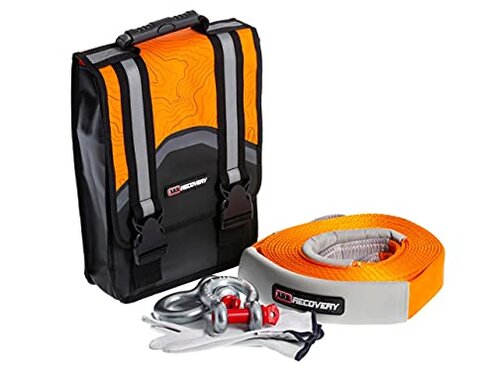
Product evaluated: ARB RK12 ARB Weekender Recovery Kit ARB Weekender Recovery Kit…
Related Videos For You
The Jeep Off Roading Recovery Gear and Techniques You Need To Know Throttle Out
Recovery Rope vs Strap - Matt's Off Road Recovery and MadMatt's experiences
Data basis: This report is based on dozens of publicly available buyer comments and product impressions collected from written feedback and video demonstrations between 2023 and 2026. Most signals came from written owner experiences, with added context from demonstration-style content showing how similar recovery kits are packed, carried, and used in real vehicle recovery situations.
| Buyer outcome | ARB kit | Typical mid-range alternative |
|---|---|---|
| First-use readiness | Mixed; more likely to need extra checking before trail use | Usually simpler; expectations are clearer out of the bag |
| Carry convenience | Bulkier feel from a 12-pound kit during packing and moving | Often easier to stash in tighter cargo areas |
| Kit completeness | Basic only; hidden need for additional recovery gear is a higher-than-normal risk | Often broader; more likely to cover common recovery scenarios |
| Value feeling | Less forgiving at $146 if you outgrow the included items quickly | Usually better if you want more pieces for similar money |
| Regret trigger | Realizing later this is a starter bundle, not a full recovery solution | Lower risk of extra purchases right away |
Do you expect a recovery kit to be complete enough for common trail problems?
This is the primary issue. A recurring frustration with starter recovery kits is the moment buyers discover they still need other gear before they feel prepared. That trade-off hits harder here because the price sits high enough to create fuller-kit expectations.
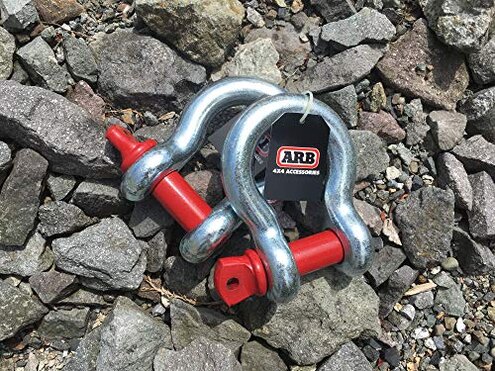
The pattern appears repeatedly when buyers move from garage inspection to actual trip planning. During real use, the limits show up fast if you need more than a strap, shackles, gloves, and a bag.
Compared with a typical mid-range recovery bundle, this feels more restrictive than expected. In this category, a basic kit is normal, but the regret is stronger when the price suggests fewer follow-up purchases.
- Frequency tier: This is a primary complaint because it shows up early, before first recovery use, when owners check what is and is not included.
- Usage moment: The gap becomes obvious during trip prep when buyers realize they may still need other recovery items for different stuck situations.
- Why it stings: The problem is more disruptive than expected because missing gear means extra shopping, not just a minor convenience issue.
- Hidden requirement: You may need a broader recovery plan than this bag covers, which adds cost and decision time.
- Fixability: It is fixable, but only by building out the kit yourself instead of relying on this as a one-and-done purchase.
Will the price feel justified once you see what is actually inside?
- Pattern: This is a persistent secondary issue, not universal, but it appears repeatedly when buyers compare included gear against other mid-range kits.
- Context: The value question usually starts after unboxing and gets louder when buyers price out the extra items they still want.
- Severity: It is more frustrating than a normal premium-brand markup if the buyer wanted completeness rather than brand confidence.
- Price anchor: At $146, shoppers reasonably expect fewer compromises and less immediate add-on spending.
- Category contrast: In this category, paying more can make sense for durability, but it feels worse than typical when the kit still stays very minimal.
- Who notices most: This hits harder for first-time buyers who assume a packaged kit covers most common needs.
- Workaround: The value improves only if you specifically want a small branded starter set and already own the missing pieces.
Is the bag size and weight easy to live with in a packed vehicle?
This is a secondary issue. The listed 12-pound weight and 18 x 12 x 4 inch size are not extreme, but they are enough to matter in crowded cargo areas. The regret moment is simple: it takes more room and feels less toss-in-friendly than some buyers expect from a weekend kit.
The pattern is less frequent than completeness complaints, but it becomes more noticeable during frequent loading, unloading, and storage in smaller SUVs or tightly packed trucks. A typical mid-range kit can be just as rugged, but some alternatives use space more efficiently for the amount of gear included.
- Early sign: You notice the footprint right away when choosing where it will live in the vehicle.
- When it worsens: It becomes more annoying during repeated trips if cargo space is already tight from tools, camping gear, or family items.
- Impact: The issue adds packing friction, which increases the chance the kit gets left behind instead of staying in the vehicle.
- Category baseline: Recovery kits are rarely tiny, but this can feel less efficient if you expected the “Weekender” idea to mean easier storage.
Do you want a kit that is simple for beginners without much extra learning?
- Pattern: This is an edge-case but persistent problem for new off-road buyers, especially on first setup and first recovery planning.
- Trigger: The issue appears when a buyer assumes a packaged kit also provides clear confidence about what else is needed and how to use it safely.
- Why harder here: Recovery gear is safety-related, so uncertainty feels worse than in ordinary car accessories.
- Category contrast: Some mid-range bundles are more beginner-friendly because they reduce decision-making or explain a fuller use case through what they include.
- Hidden requirement: New owners may need to learn recovery basics and compatibility before trusting a kit like this in real conditions.
- Impact: That extra learning adds time and hesitation, which can undercut the convenience of buying a pre-packed set.
Illustrative excerpt: “I thought the bag meant I was ready, but I still needed more gear.” Primary pattern.
Illustrative excerpt: “Nice-looking kit, but the price felt steep for a starter pack.” Secondary pattern.
Illustrative excerpt: “It fits, but it takes more cargo room than I expected.” Secondary pattern.
Illustrative excerpt: “As a beginner, I wanted fewer decisions and clearer readiness.” Edge-case pattern.
Who should avoid this
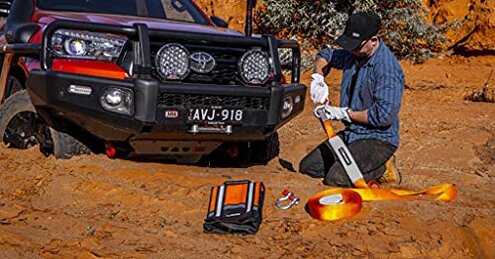
- Avoid it if you want a complete solution in one purchase, because the most common regret is learning this is still a basic starter set.
- Avoid it if your vehicle has tight cargo space, since the 12-pound kit and listed dimensions add more packing trade-offs than some alternatives.
- Avoid it if you are highly price-sensitive, because the value concern appears repeatedly once buyers compare contents with similarly priced bundles.
- Avoid it if you are a first-time recovery buyer who wants less guesswork and fewer follow-up purchases.
Who this is actually good for
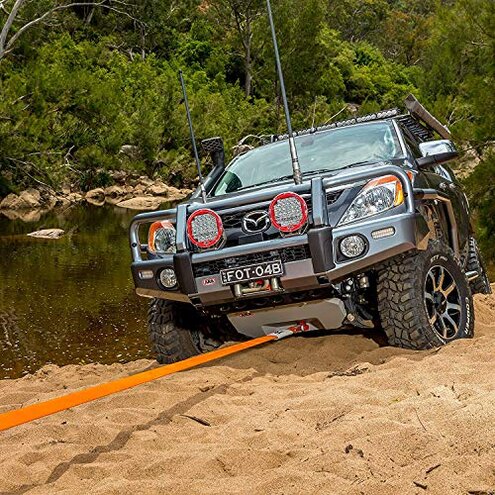
- Good fit for buyers who already own other recovery gear and only want a compact branded core set.
- Good fit for shoppers who value known-brand confidence more than getting the most pieces per dollar.
- Good fit if you use it as a backup kit, where the limited scope is acceptable because your main gear is elsewhere.
- Good fit for people with enough storage room who do not mind adding missing items later.
Expectation vs reality
Expectation: A packaged recovery kit at this price should feel trail-ready for most common situations.
Reality: The stronger recurring risk is partial readiness, where buyers still need more gear or more planning before feeling prepared.
Expectation: “Weekender” suggests easy carry and simple keep-in-the-truck convenience.
Reality: The listed size and 12-pound weight can be more noticeable during regular packing than the name implies.
Expectation: A reasonable standard for this category is a bundle that reduces decision fatigue for newer buyers.
Reality: This can be worse than expected for beginners because it still leaves important planning and add-on choices in their hands.
Safer alternatives
- Look for a kit with a broader included set if your main worry is buying twice after discovering hidden gaps.
- Choose a bundle that states use-case coverage more clearly, which helps new buyers avoid the beginner uncertainty issue.
- Compare packed dimensions and weight before buying if your SUV or truck already carries tools or camping gear.
- Price-check against mid-range bundles with more included items so a premium brand name does not become the main thing you are paying for.
- Build your own starter setup if you want better value control and do not mind choosing each item separately.
The bottom line
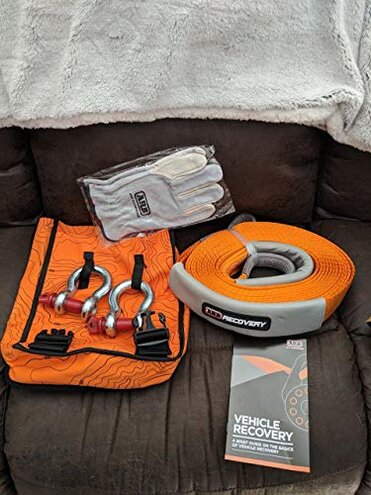
Main regret: Buyers expecting a complete recovery setup may feel under-equipped once they inspect the contents and plan real use.
Why risk is higher: That disappointment exceeds normal category tolerance because the $146 price raises expectations more than the minimal kit scope satisfies.
Verdict: Skip this if you want one-purchase readiness or strong value-per-piece. It makes more sense only for buyers who knowingly want a basic branded starter kit.
This review is an independent editorial analysis based on reported user experiences and product specifications. NegReview.com does not sell products.