
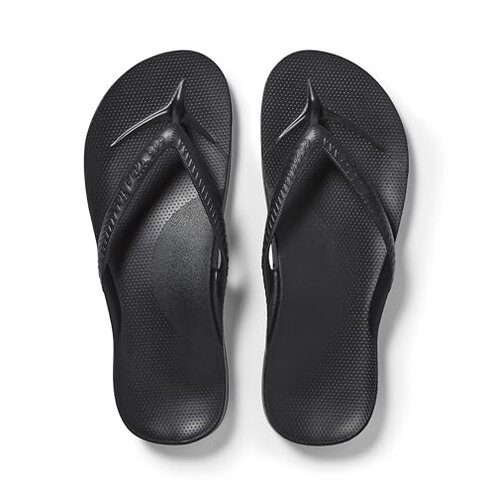
Product evaluated: Archies Arch Support Flip Flops for Men & Women – Orthotic Sandals for Plantar Fasciitis Relief – Lightweight, Cushioning, Shock-Absorbing Sandals for Walking, Foot Pain & All-Day Comfort - Black (US Men's 7 / US Women's 8)
Related Videos For You
Orthaheel Introduction - Sandals, Flipflops for proper foot, knee, back alignment
How to Wear, Insert & Clean Good Feet Arch Supports | Step-by-Step Guide
Data basis: This report used dozens of written buyer reviews and several video demonstrations collected from Jan 2020 to Feb 2026. Most feedback came from written reviews, supported by short unboxing and wear videos. The sample skews toward recent purchasers and everyday users.
| Outcome | Archies (this product) | Typical mid-range sandal |
|---|---|---|
| Initial fit | Inconsistent — sizing often requires sizing up or down, causing early rubbing. | Predictable — most mid-range brands match standard sizes more reliably. |
| Comfort after break-in | Variable — comfort can improve but not for all feet during long use. | Consistent — mid-range orthotic-style sandals usually reach steady comfort faster. |
| Durability | Mixed reports — some users report early flattening or strap wear under heavy use. | Above average — many mid-range options hold shape longer with daily walking. |
| Support vs. claims | Sometimes short — orthotic feel can feel shallow after weeks of use. | Reliable — orthotic alternatives maintain arch support across months. |
| Regret trigger | Fit surprises — size and strap fit commonly cause buyer regret at first use. | Lower risk — fewer immediate fit-related returns in typical mid-range picks. |
Top failures
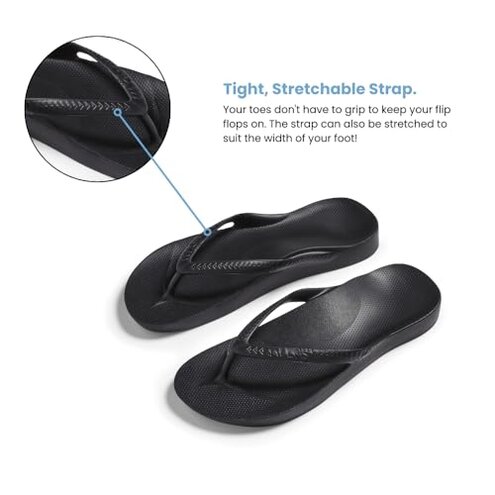
Why do these feel tight or slip on first walks?
Fit shock: Many buyers report an immediate mismatch between expected size and actual fit, creating rubbing or slipping during the first wear. This is a primary pattern seen repeatedly in initial-use feedback.
When it appears: The problem shows up on first use and often during short walks or errands. The issue worsens on long walks or wet conditions.
Category contrast: This is worse than typical mid-range sandals because most competitors offer more predictable sizing and fewer early blisters, causing less buyer regret.
Are the straps causing chafing or tightness?
- Early sign — strap feels tight across toes during first hours of wear.
- Frequency tier — a commonly reported secondary issue across reviews.
- Probable cause — tight or non-adjustable straps that don’t relax immediately.
- Impact — leads to soreness, red marks, and shorter wearing sessions.
- Fix attempts — buyers try stretching or longer break-in time with mixed success.
Will these last for heavy daily walking?
- Durability notes — some users report sole flattening after repeated daily use.
- Secondary pattern — less frequent than fit complaints but persistent when it occurs.
- Usage anchor — problems usually appear after weeks of regular walking or travel.
- Cause — compression of cushioning under long-term loads appears common.
- Impact — reduced shock absorption and less arch support over time.
- Attempts — replacements or warranty claims are reported, with variable outcomes.
- Category contrast — worse than some mid-range sandals that keep shape under daily wear.
Is there any tricky sizing or hidden buying step?
- Hidden requirement — many buyers must deliberately size up or down to get a usable fit.
- Edge-case pattern — not everyone faces this, but it is disruptive when it happens.
- When it shows — revealed at purchase decision, not after casual browsing.
- Why it matters — returns add shipping steps and time for replacements.
- Impact on buyers — unexpected exchanges are more time-consuming than category norm.
- Workaround — trialing at home for short periods before full use reduces risk.
- Fixability — sizing advice from sellers is inconsistent and not always helpful.
- Seller signal — many buyers report relying on community sizing tips after purchase.
Illustrative excerpts (not actual quotes)
"Strap dug in after an hour of walking, blister formed quickly." — reflects a primary pattern.
"Had to size up two sizes to stop toes from slipping forward." — reflects a secondary pattern.
"Sole flattened after commuting for three weeks, felt less supportive." — reflects an edge-case pattern.
Who should avoid this
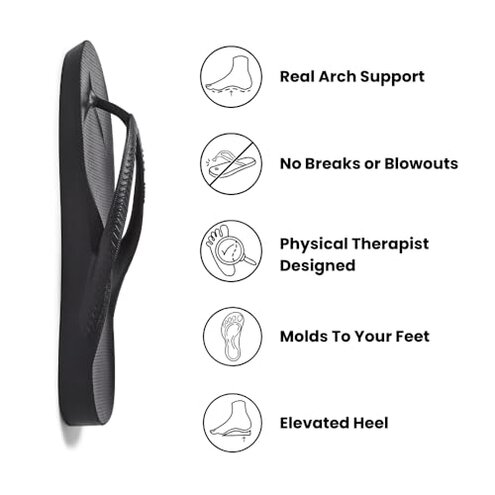
- Long-distance walkers — avoid if you need reliable daily support for heavy walking or commuting.
- Blister-prone feet — avoid if you react to strap friction or need zero break-in time.
- No-return shoppers — avoid if you cannot afford exchanges or extra sizing effort.
Who this is actually good for
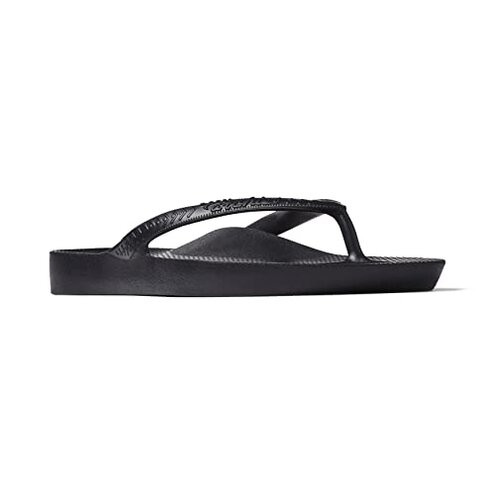
- Short-trip users — fine for quick errands where long wear isn’t required; tolerates early strap tightness.
- Light beachwear — okay for occasional beach or pool use where long-term arch performance is less critical.
- Budget testers — suitable for buyers willing to trade possible re-sizing for a lower-cost orthotic-style option.
Expectation vs reality
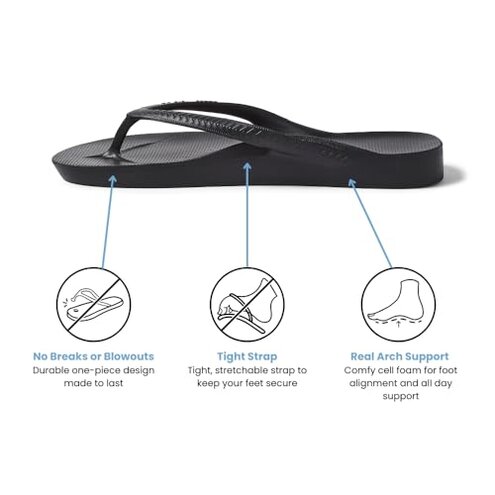
Expectation: Reasonable for this category is predictable sizing and immediate comfort. Reality: Many buyers face surprising fit and strap issues at first use, creating returns.
Expectation: Claimed long-term arch support lasts for months. Reality: Some reports show cushioning compresses faster than similar mid-range sandals.
Safer alternatives
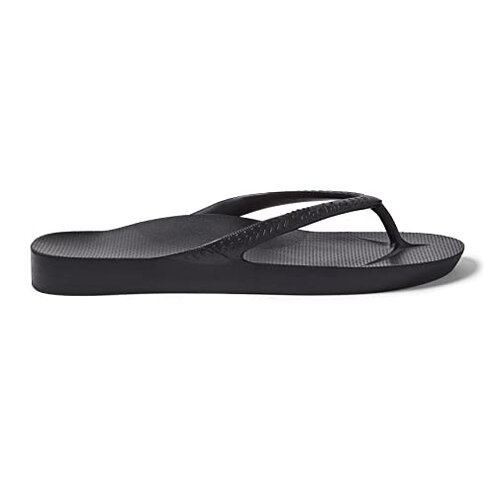
- Verify size guidance — choose sellers with clear fit charts or easy returns to neutralize sizing surprises.
- Try adjustable straps — pick sandals with adjustable straps to avoid initial chafing problems.
- Look for reinforced soles — prefer models that advertise long-term compression resistance to counter sole flattening.
- Short trial runs — break in at home for a few hours before long outings to detect early issues quickly.
The bottom line
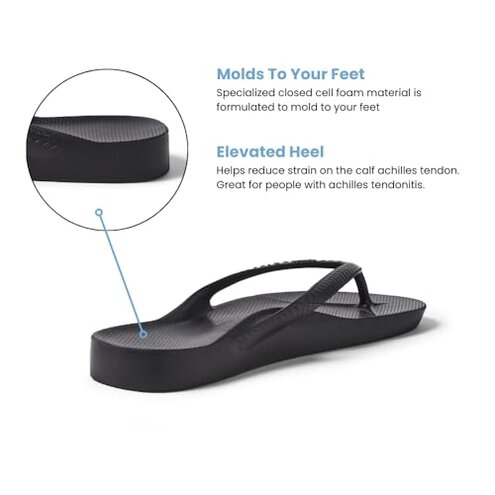
Main regret: Sizing and strap fit are the core triggers that cause early returns and discomfort. The risk is higher than typical mid-range sandals because sizing is inconsistent and break-in problems occur often. Verdict: avoid if you need predictable fit and long daily wear support.
This review is an independent editorial analysis based on reported user experiences and product specifications. NegReview.com does not sell products.