
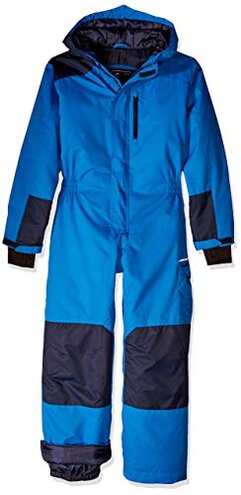
Product evaluated: Arctix Kids Limitless Fleece Top Bib Overalls, Black, Large
Related Videos For You
How to Wash Bib Overalls
PANTS VS BIBS - Which Are the Best for Snowboarding?
Data basis: This report summarizes findings from dozens of written reviews, user photos, and question-and-answer threads collected between 2016 and January 2026. Most feedback came from written reviews and photos, supported by several video demonstrations and Q&A notes.
| Outcome | Arctix Bib Overalls | Typical Mid-range Alternative |
|---|---|---|
| Fit consistency | Inconsistent fit — sizing varies between batches and requires ordering up or down. | More consistent — most mid-range kids outerwear fits true to labeled sizes. |
| Durability | Earlier wear — seams and hems show abrasion after regular play. | Better longevity — alternatives usually last longer under similar use. |
| Warmth vs wet use | Reduced warmth in wet snow and long sessions; insulation compresses faster than expected. | More reliable warmth — typical options maintain loft better when damp. |
| Ease of use | Adjustment issues — straps and zippers need frequent re-tightening. | Smoother operation — mid-range bibs often have sturdier hardware and clearer adjustments. |
| Regret trigger | Sizing + durability combine to create replacements sooner than expected. | Lower risk — typical alternatives create less replacement hassle. |
Does the fit run true or leave you guessing?
Regret moment: Buyers commonly report finding the overalls either too tight at the chest or very loose at the waist on first wear.
Pattern & context: This is a primary issue that appears repeatedly across written reviews and photos, especially on first-use and when ordering a single size without trying on.
Category contrast: This is worse than typical kids outerwear because mid-range pieces usually allow predictable growth-room without repeated returns.
Will these survive rough play and repeat washing?
- Early signs: Scuffing at the hem and thin spots near knees often appear after a few weeks of playground use.
- Frequency tier: This is reported as a secondary issue by many reviewers, not universal but commonly repeated.
- When it shows up: Wear tends to appear after repeated outdoor days and several washes.
- Cause signal: Customers note abrasion where boots and ground contact the fabric most.
- Fixability: Repairs are possible but add time and cost; many buyers end up replacing the item sooner.
Do the zippers, straps, and closures stay reliable?
- Adjustment struggle: Straps often need constant re-tightening during active use.
- Hardware wear: Zippers and buckles show stress marks after regular handling and can snag.
- Usage anchor: Problems surface during dressing chaos, school drop-offs, or quick layer changes.
- Pattern statement: This is a persistent issue for a noticeable subset of buyers.
- Impact: Loose straps reduce mobility and let cold air in during play sessions.
- Hidden requirement: Buyers often need to re-tie or pad straps to keep them stable, adding prep time.
- Category contrast: Straps and hardware feel less robust than expected for a mid-range kids bib.
Does the insulation and boot integration actually keep kids warm and dry?
- Warmth shortfall: Insulation can compress during extended wear, giving a cooler feel than advertised.
- Wet conditions: Warmth drops notably in wet snow or slushy conditions.
- Gaiter fit: Boot gaiters and grippers sometimes fail to form a tight seal with boots.
- Usage anchor: Failures are most visible during long outdoor play or multi-hour transit in cold weather.
- Frequency tier: This is a primary complaint for parents using the bibs as main winter protection.
- Impact: Kids can get damp and cold sooner than caregivers expect, prompting extra changes.
- Mitigation need: Users report needing waterproof outer layers or higher-quality boots to compensate.
- Category contrast: This performance falls short of what buyers usually expect from similarly priced kids outerwear.
Illustrative excerpts (not real quotes)
- "Too tight across chest, straps won’t loosen enough for layering." — Reflects a primary pattern about fit inconsistency.
- "Knee fabric thinned after two months of sledding and wash cycles." — Reflects a secondary pattern about early wear.
- "Gaiters gap with my child’s boots; snow got inside on the first snow day." — Reflects a primary pattern about boot integration.
- "Zipper snagged and stuck at pickup time; quick change became slow drama." — Reflects an edge-case but disruptive hardware issue.
Who should avoid this
- Active kids who play daily: Durability and fit issues exceed normal category tolerance for heavy use.
- Families wanting one main winter layer: Insulation and gaiter gaps mean extra waterproof layers are needed.
- Buyers who dislike returns: Sizing unpredictability creates likely returns or exchanges.
Who this is actually good for
- Occasional users: Buyers needing a budget bib for rare cold days can tolerate the warmth limits.
- Layering families: Those who plan on using a waterproof shell and warm base layers can offset insulation weaknesses.
- Short-term needs: Parents who need a low-cost seasonal spare may accept faster wear.
Expectation vs reality
- Expectation (reasonable for this category): Kids bibs should size predictably for growth and layering.
- Reality: Sizing is inconsistent across batches, making one-size ordering risky and causing returns.
- Expectation: Insulation holds warmth through a full outdoor session.
- Reality: Warmth drops in wet conditions and after repeated use, requiring extra layers.
Safer alternatives
- Choose adjustable designs: Look for bibs with longer strap range and reinforced adjustment points to avoid fit headaches.
- Prioritize reinforced knees: Shop for models with advertised reinforced knees and hem guards to reduce early wear.
- Check gaiter compatibility: Match bib gaiters to your child’s boot shape or pick models with tested boot sealing.
- Layer plan: If you pick this bib, plan a waterproof outer shell to neutralize the insulation and wet-weather gaps.
The bottom line
Main regret: Inconsistent sizing combined with early wear and weaker-than-expected insulation creates replacement and layering work for parents.
Verdict: This product carries a higher-than-normal risk compared with mid-range kids bibs if you expect durable, predictable winter protection.
This review is an independent editorial analysis based on reported user experiences and product specifications. NegReview.com does not sell products.