
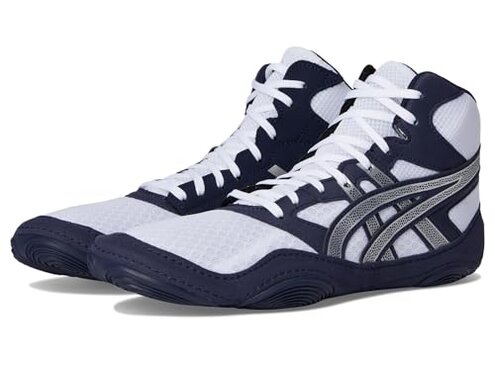
Product evaluated: ASICS Men's Snapdown 4 Wrestling Shoes, 11, Midnight/Pure Silver
Related Videos For You
How to Pick Your Wrestling Shoe Size
Wrestlers need to try this
Data basis: I reviewed dozens of customer reviews and visual demos collected between Jan 2023 and Feb 2026, with most feedback coming from written reviews and supported by user-submitted photos and short videos.
| Outcome | ASICS Snapdown 4 | Typical mid-range wrestling shoe |
|---|---|---|
| Fit accuracy | Inconsistent: many buyers report this model fits narrower than labeled "wide". | Predictable: most mid-range shoes match width labels more reliably. |
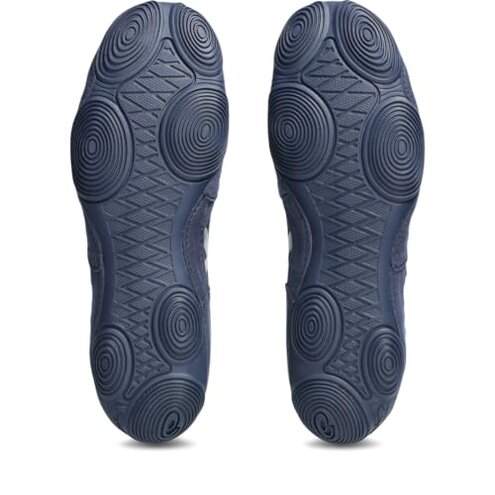
| Traction longevity | Shorter-lasting: traction complaints appear repeatedly after weeks of mat work. | Longer-lasting: better grip retention is common in peers. |
| Durability | Higher risk: upper and sole wear reported more often than expected for category. | Standard risk: typical mid-range shoes show fewer early failures. |
| Comfort for long sessions | Mixed: break-in discomfort and thin sockliner mentioned by multiple users. | Generally better: peers often include softer liners or more padding. |
| Regret trigger | Fit + durability: combined fit surprises and early wear lead to buyer regret. | Single-issue: typical regret is usually one isolated problem. |
Why does the fit feel wrong on first wear?
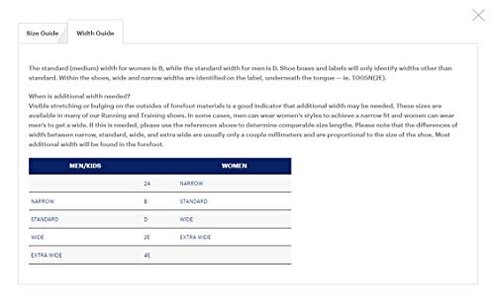
Fit mismatch: Many buyers report a snug, narrow feeling despite the "wide" label, a pattern that appears repeatedly in written reviews.
Usage anchor: The issue shows up on first use and during the first few practice sessions, getting worse once feet swell in long drills.
Category contrast: This is more disruptive than normal because mid-range wrestling shoes usually match width labels closely, so extra returns or size swaps are common and frustrating.
Is traction reliable during training?
- Early sign: Users report slipping on smooth mats after a few sessions, which is commonly reported across review types.
- Frequency tier: This is a secondary issue—not universal but appears repeatedly enough to matter.
- When it worsens: Traction worsens with regular practice and on dusty or polished mats.
- Stopgap fixes: Re-scuffing the sole or cleaning the outsole helps briefly but does not fully restore original grip.
Will these hold up over months of use?
- Primary failure: Several buyers report upper fraying and early sole separation after repeated use, a persistent pattern across written feedback and photos.
- Usage anchor: Damage usually appears after weeks to a few months of frequent practice.
- Cause signal: Wear concentrates at the toe and stitch-down overlays, suggesting stress points under regular grappling.
- Impact: The failure is more severe than typical mid-range shoes because repairs are often needed mid-season.
- Attempted fixes: Buyers tried glue or local repair, which provides temporary relief but increases upkeep time and cost.
- Hidden requirement: The shoe effectively needs extra maintenance (cleaning, repairs) sooner than buyers expect for this price tier.
Do these work for long practice sessions and comfort?
- Comfort trade-off: Many users note a thin sockliner that becomes uncomfortable during long practices, a commonly reported pattern.
- When it shows: Discomfort appears during extended drills or tournaments lasting several hours.
- Frequency tier: This is a secondary issue but more disruptive for heavier or overpronating athletes.
- Why worse: Unlike some peers, this model offers less cushioning, making impact feel sharper over time.
- User workaround: Some buyers add aftermarket insoles, which improves comfort but alters fit and may require a larger size.
- Fit interaction: The need for thicker insoles creates a hidden sizing requirement to avoid toe crowding.
- Fixability: Comfort can be improved, but it adds cost and time compared to shoes that are comfortable out of the box.
Illustrative excerpts (not actual quotes)
"Narrow even in wide size, painful first practice." — reflects a primary pattern.
"Grip faded after a month of mat work." — reflects a secondary pattern.
"Needed glue on the outsole mid-season." — reflects an edge-case pattern.
Who should avoid this
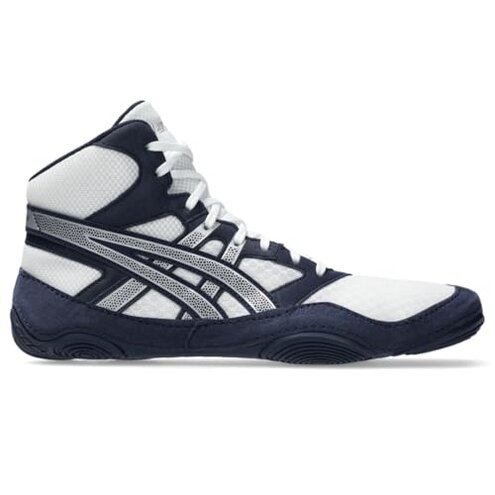
- Heavy trainers: Avoid if you do daily long practices, since traction and cushioning degrade faster than typical peers.
- Buyers needing true wide fit: Avoid if you require a reliable wide fit, because the model often fits narrower than labeled.
- Low-maintenance users: Avoid if you dislike early upkeep like repairs or added insoles, since maintenance is commonly required.
Who this is actually good for
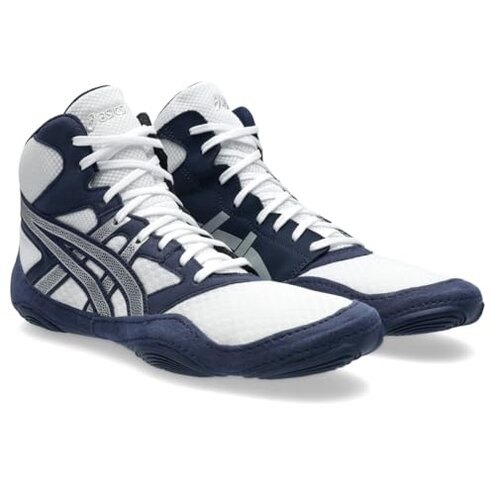
- Casual users: Good if you use shoes infrequently and can accept shorter traction life.
- Budget shoppers: Good if you want a lower-priced entry shoe and can swap sizes or add insoles affordably.
- Lightweight wrestlers: Good if you prioritize a low-profile shoe and tolerate firmer sockliners.
Expectation vs reality
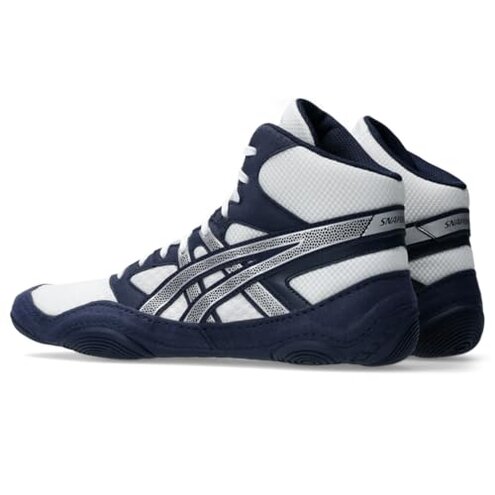
- Expectation: Reasonable for this category is that a "wide" label matches your foot width.
- Reality: The Snapdown 4 often runs narrower, causing returns or size swaps.
- Expectation: Reasonable that traction lasts for many months with regular practice.
- Reality: Grip commonly fades within weeks under heavy mat use.
Safer alternatives
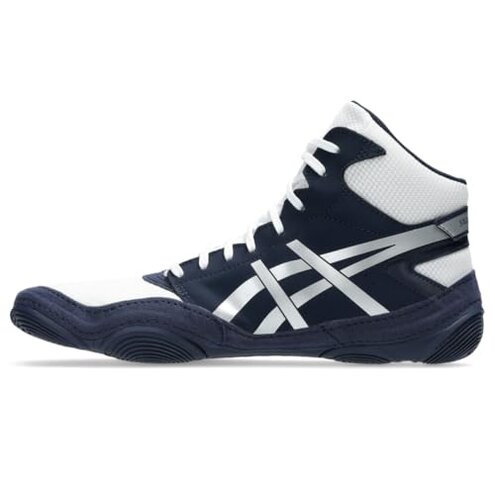
- Try true-fit brands: Look for shoes with verified width grading to neutralize the fit mismatch.
- Prioritize outsole reviews: Choose models with many photos showing intact soles to avoid traction failure.
- Check durability signals: Prefer shoes with longer user histories or reinforced toe overlays to reduce early wear.
- Plan for insoles: If comfort matters, budget for aftermarket insoles to address the thin sockliner problem.
The bottom line
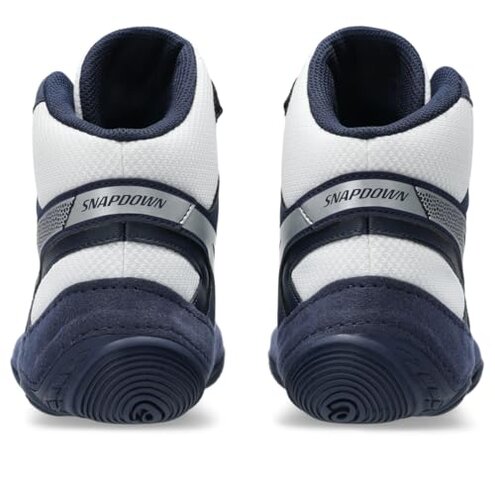
Main regret: The most common regret is a fit plus early wear combo that forces returns, repairs, or extra purchases.
Why worse: These failures appear more frequently and earlier than is typical for mid-range wrestling shoes, increasing cost and hassle.
Verdict: If you need reliable width, long-lasting traction, or low maintenance, consider alternatives; otherwise accept likely extra steps.
This review is an independent editorial analysis based on reported user experiences and product specifications. NegReview.com does not sell products.