
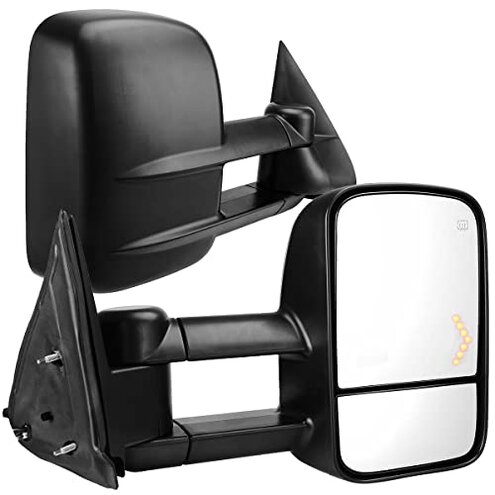
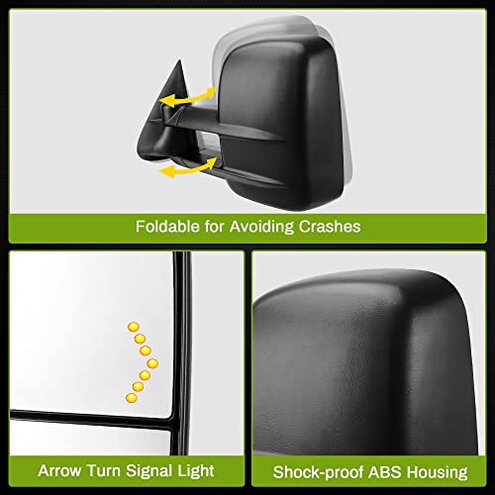
Product evaluated: AUTOSAVER88 Towing Mirrors Compatible with 2003-2007 Chevy Silverado GMC Sierra 1500 2500 HD 3500, Power Heated Side View Tow Mirrors for Tahoe Suburban Avalanche Yukon with Arrow Turn Signal Light
Related Videos For You
How to Install Upgraded Tow Mirrors 14-19 Chevy Silverado LT
Trail Ridge Tow Mirror vs. Generic Tow Mirror
Data basis: This report draws on dozens of buyer feedback entries collected from written comments and video-based demonstrations between 2023 and 2026. Most feedback came from written experiences, with video evidence mainly used to confirm install, fit, and daily-use problems that appeared repeatedly.
| Buyer outcome | AUTOSAVER88 | Typical mid-range option |
| Fit confidence | Lower; compatibility confusion appears repeatedly, especially across body styles and features. | More predictable; still needs matching, but usually with clearer trim guidance. |
| Install effort | Higher; setup friction is among the most common complaints. | Moderate; usually plug-and-bolt with fewer extra steps. |
| Function match | Riskier; heat and signal features may add hidden requirements. | More consistent; fewer buyers report partial-function surprises. |
| Daily stability | Mixed; some buyers report movement or less confidence while towing. | Steadier; still not premium, but commonly more reassuring. |
| Regret trigger | Looks compatible on paper, then adds install time or leaves features not working. | Usually price or finish quality, not basic fit and function. |
Why does a “direct fit” install turn into a longer project?
Main frustration: Install trouble is a primary issue and more disruptive than expected for this category. The regret moment usually happens on first install, when a buyer expects a quick swap and instead runs into extra wiring, adjustment, or fit checks.
Pattern: This appears repeatedly, not universally, and it gets worse when replacing mirrors at home without prior towing-mirror experience. Compared with a typical mid-range tow mirror, this feels less forgiving because the listing itself signals a quick, precise fit.
- Early sign: Trouble often starts during setup when plug connections or mounting alignment do not feel as straightforward as expected.
- Frequency tier: This is a primary complaint and shows up more often than cosmetic complaints.
- Usage moment: It usually appears on first installation, especially on trucks near the edge of the stated fit range.
- Hidden requirement: Some buyers miss the memory setting note, which adds an extra step before the mirrors behave correctly.
- Impact: The install can take extra time or force a buyer into professional help, shrinking the value of a lower purchase price.
- Why worse: Most mid-range alternatives still require care, but this one appears less plug-and-play than buyers reasonably expect.
Illustrative excerpt: “I thought this was a simple swap, but it turned into wiring and settings.”
Pattern type: This reflects a primary pattern.
Why do some truck owners still end up with feature mismatches?
- Core risk: Compatibility confusion is among the most common complaints because the fit list covers several models and exceptions.
- When it hits: The problem shows up after installation, when a buyer notices a signal light, heat, or other function does not work as expected.
- Worsening condition: It gets more frustrating when the truck has fewer factory features than the mirror assembly supports, or vice versa.
- Pattern signal: This issue is persistent across multiple feedback sources, even though not every buyer is affected.
- Category contrast: Fitment checks are normal for automotive parts, but this feels worse than normal because body style and feature notes leave more room for mistaken buying.
- Buyer impact: The result can be partial usefulness, where the mirror mounts but one key convenience feature never works right.
- Fixability: The usual fix is double-checking vehicle specs before buying, which helps, but only if done early.
Illustrative excerpt: “It bolted on, but not every function worked on my truck.”
Pattern type: This reflects a primary pattern.
Do they feel solid enough once you actually start towing?
Regret moment: A secondary but very frustrating issue is confidence in daily use. Some buyers only notice it after setup, once they drive at speed or tow and expect a stable rear view.
Pattern: Reports suggest this is less frequent than install trouble but more frustrating when it occurs, because mirror shake or less-solid feel directly affects comfort. In this category, some movement is expected, but buyers describe this as more distracting than typical for non-premium towing mirrors.
When it worsens: It tends to matter most during highway driving, windy conditions, or repeated towing use. That is the moment when a budget upgrade stops feeling like a bargain.
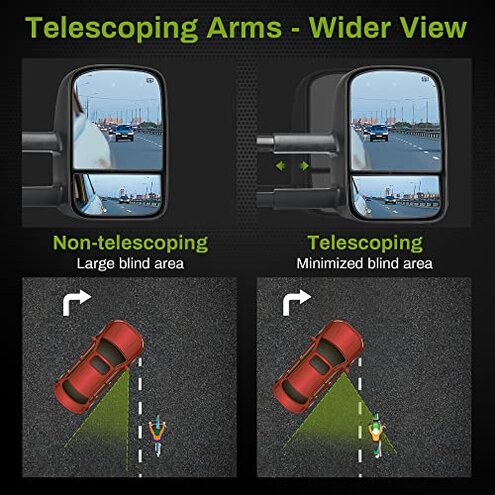
Trade-off: You may get the wider towing view, but the benefit is weaker if the mirror feels less reassuring than the factory setup it replaced.
Illustrative excerpt: “The view is bigger, but I noticed more movement on the highway.”
Pattern type: This reflects a secondary pattern.
What happens if you expect factory-like finish and reliability?
- Main issue: OEM-like expectations can lead to disappointment, which appears repeatedly in value-focused mirror replacements.
- When noticed: Buyers usually spot it right after unboxing or during the first week of use.
- Scope signal: This is a secondary issue, less common than fitment complaints but still persistent.
- User-visible effect: The product may feel more aftermarket than expected in finish, adjustment feel, or refinement.
- Why worse: Mid-range alternatives are rarely perfect, but buyers often expect a closer factory feel at this price level.
- Long-term concern: That first impression can create worry about durability over time, even before a failure happens.
- Mitigation: It suits buyers who value basic towing visibility more than factory-like fit and feel.
- Edge case: A smaller group reports no major issue, so this is not universal.
Illustrative excerpt: “They work, but they do not feel like original truck mirrors.”
Pattern type: This reflects a secondary pattern.
Who should avoid this
- Avoid it if you want a fast driveway install with no extra troubleshooting, because setup friction is a primary complaint.
- Avoid it if your truck sits near a fitment exception, especially around body style or feature differences.
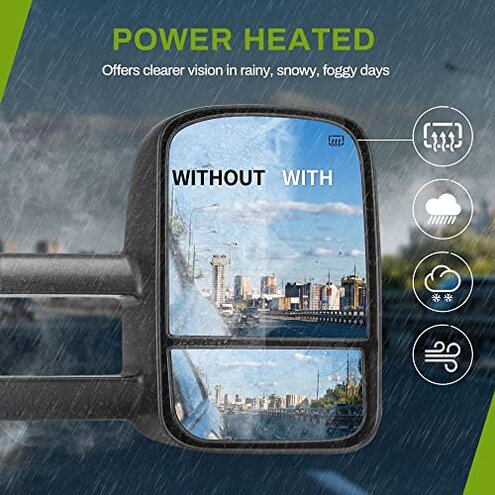
- Avoid it if you need every listed function to work immediately, since partial-function mismatch is a repeated risk.
- Avoid it if mirror steady feel matters a lot during highway towing, because that concern is less common but more aggravating when it appears.
Who this is actually good for
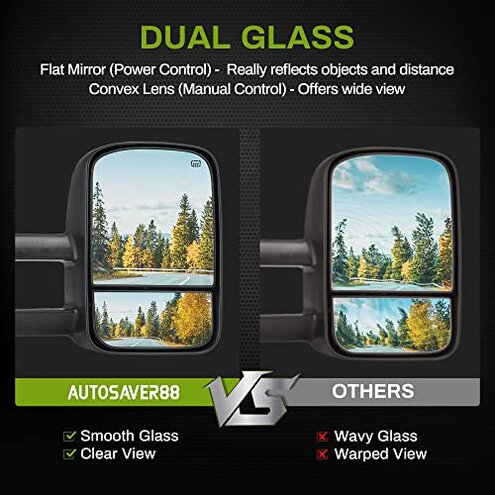
- Good fit for buyers who mainly want a wider towing view and can tolerate extra install steps.
- Good fit for owners who already know their truck’s exact mirror features and can verify compatibility carefully.
- Good fit for shoppers willing to trade some factory-like refinement for a lower upfront cost.
- Good fit for people comfortable with professional installation, which can reduce the biggest regret trigger.
Expectation vs reality
- Expectation: A listed fit means a simple replacement.
Reality: Setup can still involve extra checks, settings changes, or feature compromises. - Expectation: Reasonable for this category is some basic install effort.
Reality: Here the effort can be worse than expected because compatibility is broad and feature-dependent. - Expectation: Added towing mirrors should feel more confident on the road.
Reality: Some buyers get the wider view but not the solid feel they expected. - Expectation: Heat and signal features mean full functionality.
Reality: Those features can depend on truck equipment, creating hidden disappointment after install.
Safer alternatives
- Choose listings with narrower fit ranges, because that reduces the broad-compatibility confusion seen here.
- Prioritize mirrors that clearly explain feature-by-feature compatibility, not just model-year compatibility.
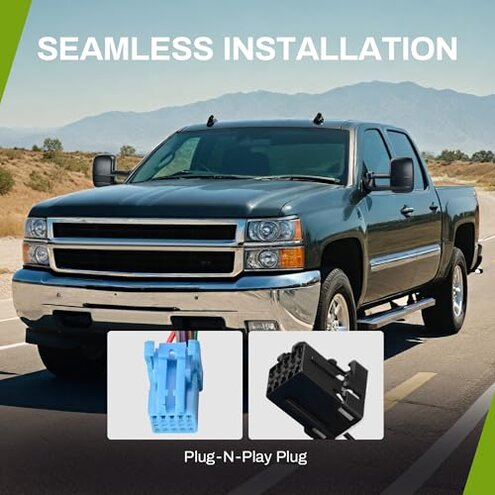
- Look for kits known for plug-and-play wiring if you want to avoid the biggest setup complaint.
- Pay attention to reports about highway stability, since daily towing confidence is a weaker spot here than with some mid-range alternatives.
- Use professional install when your truck has memory or signal-related settings, because that hidden requirement can prevent avoidable frustration.
The bottom line
Main regret: The biggest trigger is buying for compatibility on paper and then losing time to installation trouble or partial feature mismatch. That exceeds normal category risk because tow mirrors already require care, but this one appears less forgiving than many mid-range alternatives.
Verdict: If you want a low-drama replacement, this is one to approach carefully or skip. It makes more sense only for buyers who can verify every truck feature and accept a more involved setup.
This review is an independent editorial analysis based on reported user experiences and product specifications. NegReview.com does not sell products.