
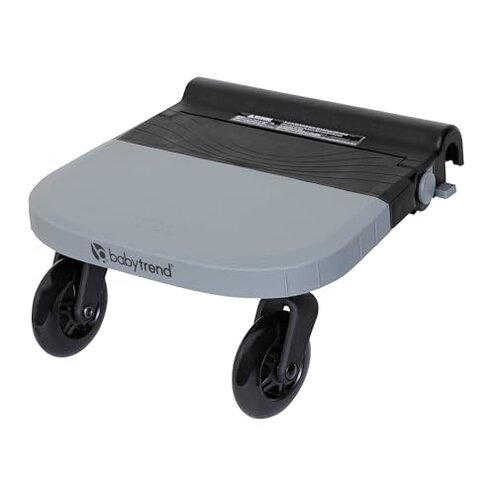
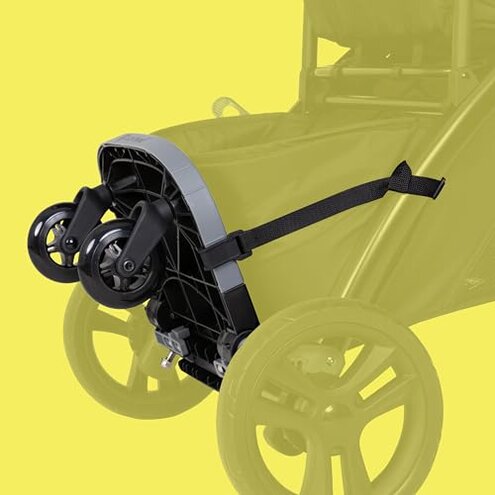
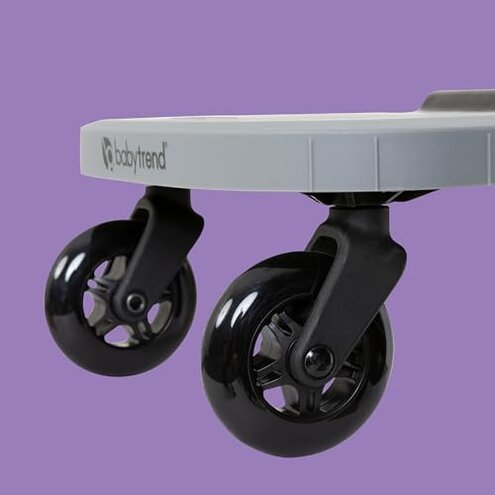
Product evaluated: Baby Trend Ride-On Stroller Board
Related Videos For You
Lascal Buggyboard Mini And Maxi - How To Fit Video | Baby Security
How to Attach and Adjust a Bumprider Ride-on Board to any Stroller
Data basis: This report reflects analysis of dozens of buyer feedback items collected from written ratings and Q&A-style comments over a recent multi-month window through early 2026. Most detail came from longer written experiences, with supporting notes from short confirmations and fit questions that repeat the same pain points.
| Buyer outcome | Baby Trend Ride-On Board | Typical mid-range stroller board |
|---|---|---|
| Fit confidence | Higher mismatch risk due to selective compatibility claims and repeated “doesn’t fit my stroller” themes. | More predictable when it uses common attachment standards and clearer model lists. |
| Push effort | More annoying for some parents when foot space gets tight behind the stroller during daily walks. | Usually easier to stride with if the platform sits slightly farther back or offsets better. |
| Stability feel | Higher wobble risk reported during turns and bumps, especially with heavier toddlers near the 50 lb limit. | More stable when the connection has less play and the deck flex is lower. |
| Storage behavior | Mixed experiences with the strap “parked” position not staying put in real use. | More consistent if the up-fold lock is firmer and doesn’t swing. |
| Regret trigger | Buying for compatibility and then discovering extra steps, awkward pushing, or a no-fit situation. | Buying for convenience and mostly getting what you expected with fewer surprises. |
Top failures
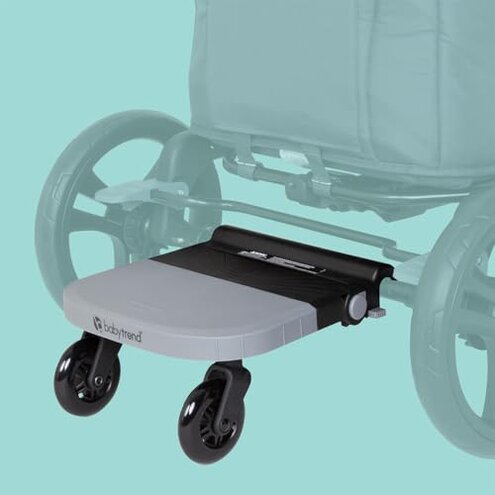
“Why doesn’t this fit like it should?”
Regret moment usually hits after unboxing when you try to click it on and realize your stroller frame isn’t the right match. Compatibility confusion is a primary complaint pattern, and it is more disruptive than expected because a stroller board is supposed to be the quick fix.
Not universal, but the mismatch theme appears repeatedly in fit questions and written feedback. Category contrast: many mid-range boards still require checking, but this one feels less forgiving because “select strollers” is easy to misread in real shopping.
- Early sign: buyers often mention a “click-on” expectation, then hit a “won’t latch” moment during first setup.
- Primary pattern: fit complaints show up repeatedly, especially when the stroller model is close-but-not-listed.
- Hidden requirement: you may need to cross-check a compatibility table before buying, not just the brand name on your stroller.
- Real impact: some families report a return cycle because the board becomes unusable if it can’t attach securely.
- Workarounds: attempts like repositioning or re-clicking can add extra time each outing, and still not solve true mismatch.
- Fixability: if your exact stroller isn’t supported, “adjusting harder” is unlikely to help and can create safety doubt.
- Cost friction: the purchase becomes a paid experiment when shipping, returns, and replacement research stack up.
“Why does it feel wobbly when my kid steps on?”
- Regret spike: instability concerns tend to show during the first real walk, not in the living-room test.
- Recurring feel: wobble or “play” in the connection appears repeatedly, though it is not reported by everyone.
- When it worsens: the problem can feel bigger on cracks, curbs, and tight turns during daily use.
- Load sensitivity: reports often tie the shakier feel to bigger toddlers, which matters because it is rated up to 50 lbs.
- Category contrast: some flex is normal for stroller boards, but buyers describe this as more distracting than typical mid-range options.
- Parent behavior: a cautious push becomes common, which can defeat the “smooth ride” promise for quick errands.
- Kid behavior: shifting feet or half-stepping on and off can amplify the wobble feeling at the exact moment you need control.
- Mitigation: shorter rides and smoother paths can reduce the sensation, but that limits when you can realistically use it.
“Why am I kicking the board while walking?”
Annoyance shows up after setup, once you start walking at normal pace and realize your stride is constrained. Foot-space interference is a secondary pattern, and it feels worse than expected because the whole point is making outings easier with two kids.
Persistent for some parents depending on height, gait, and stroller handle position, especially on longer sessions. Category contrast: many boards reduce stride a bit, but complaints suggest this one can force awkward steps more often than shoppers expect.
- Usage moment: the problem shows during steady pushing, not just when loading the toddler.
- Secondary pattern: “kicking” or “short steps” appears repeatedly, but varies by stroller geometry and parent height.
- Worsens on: longer walks and faster pace, when you stop thinking about it and your foot hits the deck again.
- Hidden tradeoff: you may end up pushing from slightly to the side, which can feel less controlled in crowds.
- Kid position: a child standing farther back can increase the space you need behind the stroller.
- Mitigation: slowing down helps, but it can make school drop-off or parking-lot transitions feel harder.
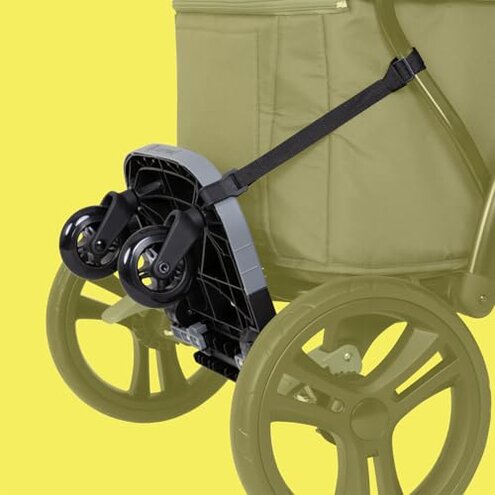
“Why is the ‘store it up’ strap not staying convenient?”
- Context: storage complaints usually appear after repeated outings, when you flip it up and down often.
- Less frequent: strap and stow behavior issues are not as common as fit and wobble, but they are more irritating day-to-day.
- Real moment: the board can swing or not sit how you expect when you need it out of the way quickly.
- Category contrast: mid-range boards often have a firmer “park” position, so this feels like extra babysitting.
- Impact: parents report added handling steps at transitions, like curbs, doors, or when the toddler hops off.
- Workaround: some buyers end up removing it instead of stowing, which defeats the “easy storage” promise.
- Fixability: if the strap position doesn’t suit your stroller shape, there may be no clean way to make it tidy.
Illustrative excerpts
- Illustrative: “It says it clicks on, but it never feels locked.” Pattern: primary.
- Illustrative: “My stroller is the same brand, and it still doesn’t fit.” Pattern: primary.
- Illustrative: “My kid loves it, but it wobbles on every crack.” Pattern: primary.
- Illustrative: “I keep kicking it unless I walk funny.” Pattern: secondary.
- Illustrative: “Folding it up sounded great, but it swings back down.” Pattern: edge-case.
Who should avoid this
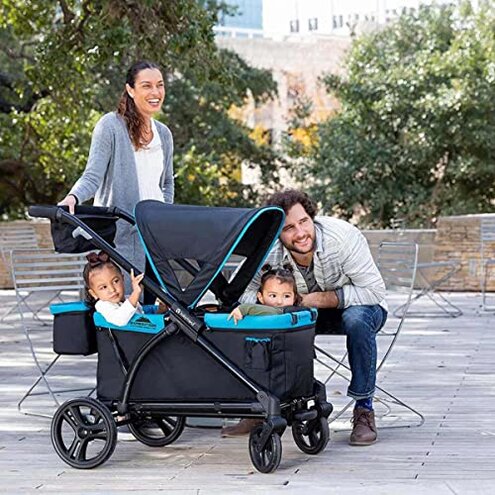
- Owners of non-listed Baby Trend models should avoid it because compatibility is a primary regret trigger.
- Parents needing tight maneuvering should avoid it if wobble during turns would make you anxious.
- Taller walkers or fast walkers should avoid it if foot space issues will ruin daily use.
- Anyone who expects quick stowage should avoid it if strap storage frustration will add transition hassle.
Who this is actually good for
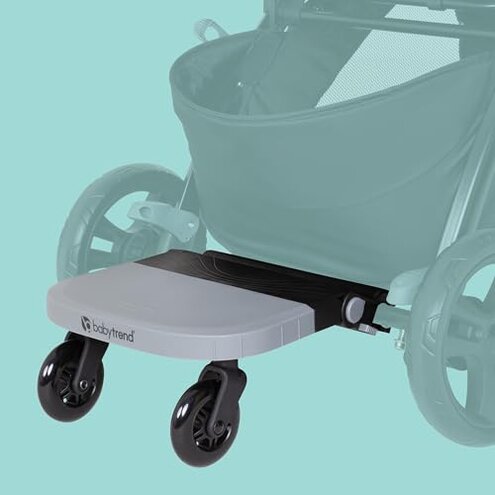
- Verified-compatible stroller owners who can confirm the match can tolerate the fit risk being mostly removed upfront.
- Short errands on smooth paths work if you can accept some stability feel tradeoffs.
- Kids who ride intermittently can benefit if you’re fine with occasional stride adjustment when they hop on.
- Budget-focused shoppers who value “it works when it fits” can accept extra handling steps compared with easier boards.
Expectation vs reality
Expectation: A stroller board should be a fast click-on accessory with minimal research.
Reality: Compatibility checking can be a required step, and this surprise drives primary regret.
Expectation: Some flex is reasonable for this category when rolling over bumps.
Reality: The wobble feel is described as more distracting than typical mid-range boards, especially in turns.
- Expectation: The parent should keep a natural stride behind the stroller.
- Reality: Foot-room complaints show you may shorten steps or push slightly off-center.
- Expectation: The stow strap should keep the board out of the way instantly.
- Reality: Stow behavior can take extra attention after repeated flip-ups.
Safer alternatives
- Neutralize fit: choose a stroller board with a clearly stated model-by-model compatibility list that matches your exact stroller.
- Reduce wobble: prioritize boards known for a tight connection and low side-to-side play during turns.
- Protect stride: look for designs that place the deck farther back or offset, to avoid constant foot contact.
- Fix stow: pick a board with a firm locked-up storage position instead of a strap-only hold.
The bottom line
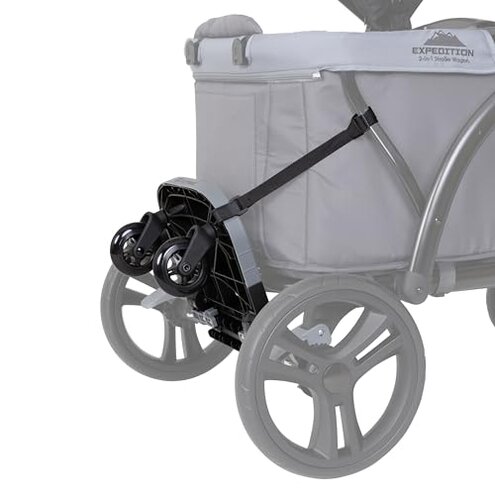
Main regret comes from buying for convenience and then hitting compatibility surprises or a connection that feels less stable than expected. Risk is higher than normal for mid-range stroller boards because a mismatch turns the product into a return, not a compromise. Verdict: avoid unless you can confirm your exact stroller is supported and you can live with potential stride and wobble tradeoffs.
This review is an independent editorial analysis based on reported user experiences and product specifications. NegReview.com does not sell products.