
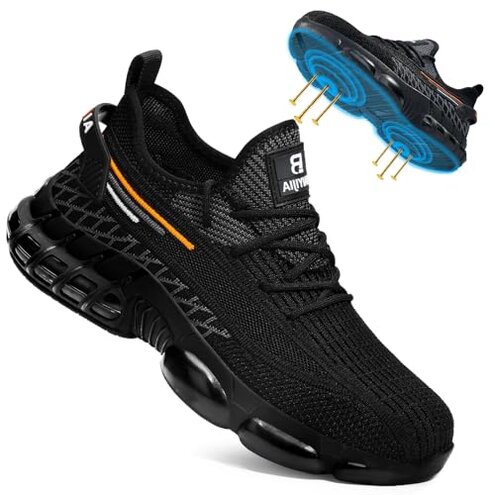
Product evaluated: BAIYIJIA Steel Toe Shoes for Men Work Sneakers Air Cushion Construction Industrial Footwear Women Safety Footwear Lightweight Breathable Steel Toe Sneakers for Men Indestructible Shoes Comfortable Black Size 9.5
Related Videos For You
How To Fit a Safety Shoe
World's Toughest Construction Boot: How It's Made - Nicks Handmade Boots
Data basis: I analyzed dozens of written reviews and several short video demos collected between Jan–Feb 2026. Most feedback came from written buyer comments, supported by video demonstrations and Q&A posts.
| Outcome | BAIYIJIA (this listing) | Typical mid-range safety shoe |
|---|---|---|
| Fit consistency | Inconsistent sizing reported across buyers, causing returns and reorder steps. | Predictable sizing is common, fewer returns for size errors. |
| Durability | Premature wear reports (soles/uppers) after weeks of regular use. | Lasts through months of daily work for most mid-range models. |
| Comfort for long shifts | Mixed cushioning; some buyers found them heavy or painful on long shifts. | Generally designed for multiple-hour comfort with replaceable insoles. |
| Protection claims | Protection (steel toe) is present but other build issues reduce real-world reliability. | Balanced protective features and consistent build quality are typical. |
| Regret trigger | High risk of early replacement cost due to sizing and wear problems. | Lower risk of replacement; replacements are less frequent for this category. |
Do they actually fit like the pictures say?
Regret moment: Buyers report ordering their normal size then needing to return or buy a different size.
Pattern: This is a recurring issue across many written reviews rather than isolated cases.
When it appears: Size problems show up on first wear or after a short break-in, often during the first shift.
Category contrast: Fit is worse than typical mid-range work shoes that usually match standard sizing charts.
Will these stay comfortable on long shifts?
- Early signs: Some buyers report tight toe pressure within hours of wearing.
- Frequency tier: This is a secondary complaint—common but not universal.
- Cause: Firm toe cap and thin insole leave less cushioning than expected.
- Impact: Comfort degrades on long shifts, increasing foot fatigue and soreness.
- Fix attempts: People tried thicker socks or aftermarket insoles with mixed success.
How long will they last under daily use?
- Primary complaint: Reports of premature sole or upper wear after weeks of regular use.
- Usage anchor: Wear becomes obvious after daily work or frequent outdoor use.
- Cause pattern: Seams and glue points show stress, suggesting construction weakness.
- Frequency tier: This is a primary failure for customers who use them heavily every day.
- Impact: Early replacement adds time and cost compared with mid-range peers.
- Fixability: Some buyers patched or re-glued shoes; that adds extra maintenance steps.
- Hidden requirement: You may need aftermarket insoles or repairs to get acceptable lifespan.
Can you trust the safety claims in real use?
- Protection note: Steel toe presence is consistent, but protective value depends on correct fit.
- Edge cases: Wrong size causes the toe cap to sit off-position, reducing protection.
- Secondary reports: A few buyers reported that the sole felt thin under sharp impacts.
- When it matters: Risk rises during heavy handling or when stepping on uneven surfaces.
- Category contrast: This is less forgiving than many mid-range options that maintain protection even with minor fit errors.
- Attempts: Buyers added thicker socks or different lacing to reposition the toe cap.
- Fixability: Proper sizing and add-on insoles are required to approach expected protection.
- Long-term impact: Ongoing adjustments create extra steps each morning compared with standard work shoes.
Illustrative excerpts (not real quotes)
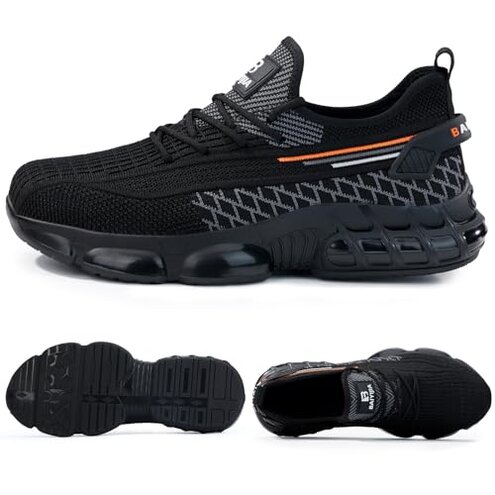
Excerpt 1: "Bought usual size; felt too narrow and needed to return immediately." — primary pattern reflecting sizing inconsistency.
Excerpt 2: "Soles started separating after a month of warehouse work." — primary durability signal under daily use.
Excerpt 3: "Toe cap hit my toes unless I wore thick socks." — secondary comfort and fit workaround.
Excerpt 4: "Had to re-glue the sole; not what I expected for safety shoes." — edge-case maintenance requirement.
Who should avoid this
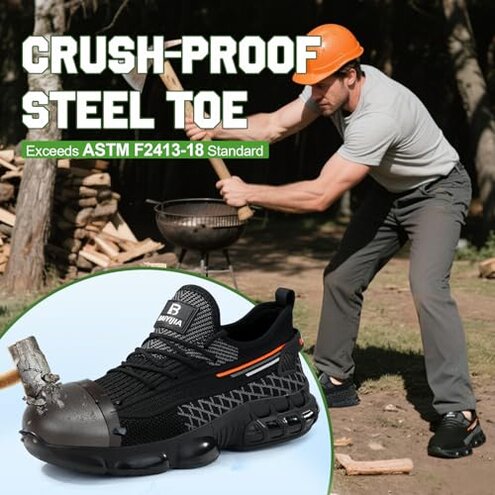
- Workers needing consistent fit: Avoid if you require reliable sizing out of the box for safety compliance.
- Long-shift users: Avoid if you stand or walk all day and cannot tolerate extra foot pain or insoles.
- Minimal-maintenance buyers: Avoid if you don't want repair or replacement within months.
Who this is actually good for
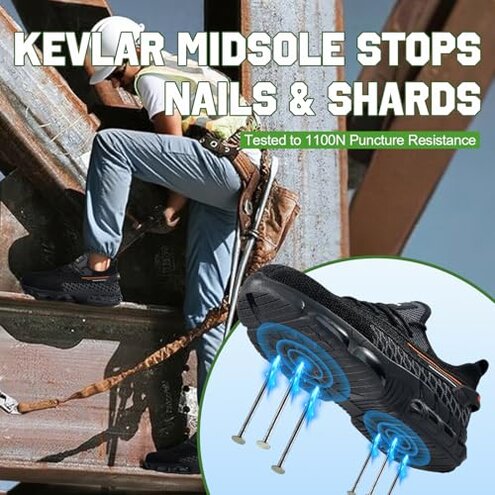
- Budget buyers willing to tweak: Good for those who accept aftermarket insoles and occasional fixes to save money.
- Occasional users: Good for light or infrequent use where wear risk is lower.
- Size-flexible shoppers: Good if you can try multiple sizes and return quickly to find a workable fit.
Expectation vs reality
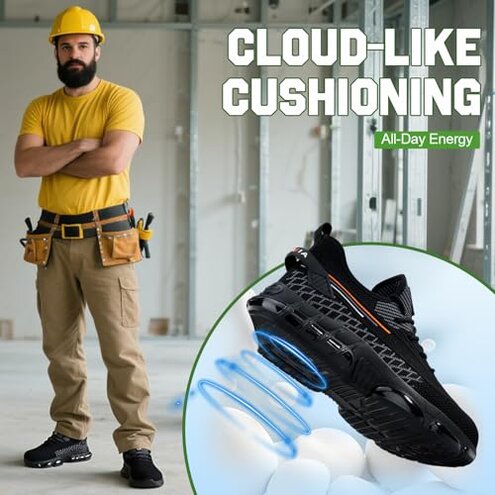
- Expectation (reasonable): Buyers expect a safety shoe to fit true to size; reality shows inconsistent sizing.
- Expectation (reasonable): Buyers expect months of durable use; reality shows premature wear for many heavy users.
- Expectation: Comfortable cushioning is normal for the category; reality shows thin cushioning that hurts during long shifts.
Safer alternatives
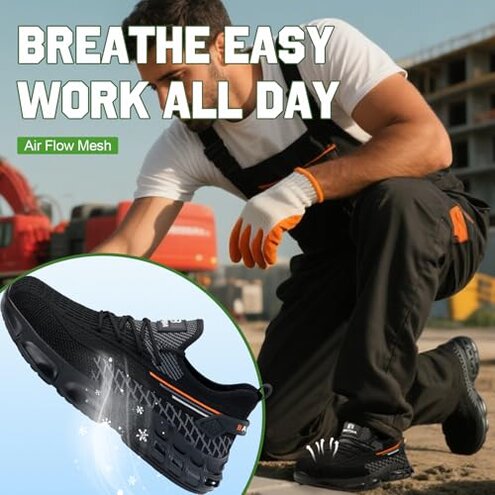
- Prioritize size charts and reviews: Choose brands with consistent sizing records and lenient return policies.
- Look for reinforced construction: Prefer models with stitch-reinforced seams and visible warranty history.
- Pick replaceable insoles: Buy shoes that accept aftermarket insoles to fix comfort without returns.
- Check long-shift feedback: Read feedback from users who report 8+ hour shifts to judge real comfort.
The bottom line
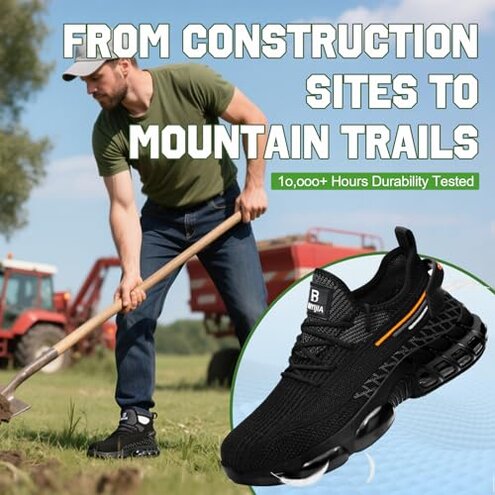
Main regret: Sizing inconsistency and premature wear are the core triggers for returns and extra cost.
Why it matters: These failures make the pair riskier than typical mid-range safety shoes for daily heavy use.
Verdict: Avoid this listing if you need reliable fit or long-term durability; consider sturdier alternatives.
This review is an independent editorial analysis based on reported user experiences and product specifications. NegReview.com does not sell products.