
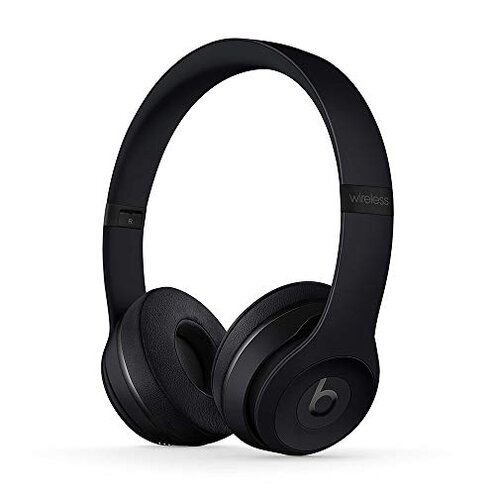
Product evaluated: Beats Solo3 Wireless On-Ear Headphones - Apple W1 Headphone Chip, Class 1 Bluetooth, 40 Hours of Listening Time, Built-in Microphone - Red
Related Videos For You
How to Connect Bluetooth Wireless Headphones to any TV 📍 How To With Kristin
Headphones Cleaning Guide - Tech Tips from Best Buy
Data basis: This report aggregates feedback from hundreds of written reviews and several video demonstrations collected between 2019 and 2025, with most feedback coming from written reviews and supported by hands-on clips.
| Outcome | Beats Solo3 | Typical mid-range headphones |
|---|---|---|
| Comfort on long sessions | Tight clamp often causes ear fatigue during multi-hour use. | Softer clamp usually tolerable for long flights or workdays. |
| Connectivity reliability | Frequent dropouts reported in everyday movement and pockets. | Steady pairing and fewer mid-session dropouts expected. |
| Durability risk | Higher-than-normal hinge and finish wear shows after daily handling. | Lower risk with reinforced frames common at this price point. |
| Battery lifespan | Good initial life but degradation is commonly reported over months. | Comparable batteries often decline more slowly with replaceable options. |
| Regret trigger | Repeated usability hits from comfort, drops, or wear make daily use frustrating. | Fewer interruptions keep daily use more reliable for most buyers. |
Top failures
Are these headphones likely to break from normal handling?
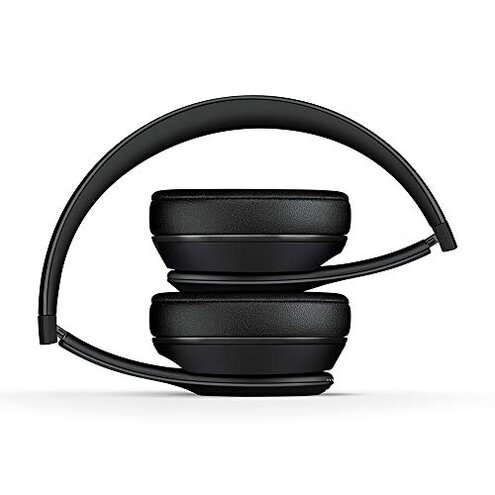
Regret moment: Many buyers report frustration when the frame or hinge shows wear after repeated folding and daily carrying.
Pattern: This durability concern appears repeatedly across written feedback and hands-on clips, not universal but common.
Do Bluetooth dropouts ruin daily use?
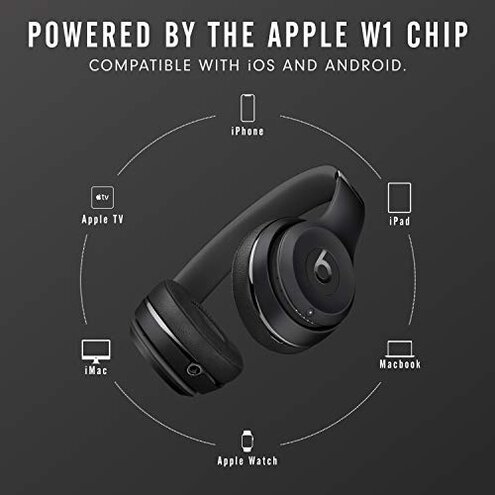
- Early sign: Pairing sometimes fails on first try after setup and requires re-pairing.
- Frequency tier: This is a primary issue for many reviewers during commuting and phone calls.
- Usage anchor: Drops occur while walking, switching pockets, or moving between rooms.
- Cause hint: Intermittent link issues often follow normal phone placement and movement.
- Impact: Dropouts interrupt calls and streaming more than expected for this category.
Will they stay comfortable for long listening sessions?
- Short-term feeling: The tight clamp gives strong passive isolation initially.
- Worse over time: Pain or ear fatigue appears during extended listening like flights.
- Category contrast: This is more restrictive than many mid-range on-ear models designed for long wear.
- Hidden requirement: Buyers often need to break in the headband or plan shorter sessions.
- Attempts to fix: People add memory-foam pads or loosen fit, which reduces isolation.
- Fixability: Comfort fixes are workarounds rather than built-in solutions.
Will the battery and charging meet long-term expectations?
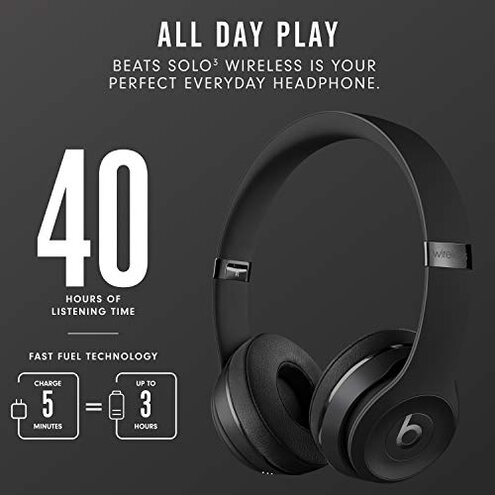
- Initial promise: The 40-hour runtime is a frequent selling point at first use.
- Degradation pattern: Reduced runtime is a secondary issue reported after months of use.
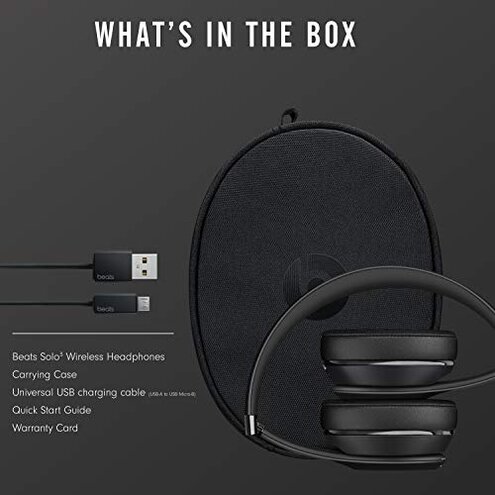
- Fast-charge caveat: Fast Fuel helps in short bursts but depends on a USB-A to Micro-B charger, which buyers must keep.
- Hidden requirement: A compatible power adapter is sold separately and appears in product notes.
- Repairability: Battery wear is not easily user-fixable and can shorten product life.
- Comparison: This decline feels more disruptive than typical for mid-range wireless headphones.
- Impact: Reduced battery makes travel and long sessions less reliable over time.
Illustrative excerpts (not actual quotes)
"Felt tight after an hour, needed a break to stop ear pain." — Primary pattern
"Dropped mid-call when I walked outside my office." — Primary pattern
"Hinge showed scuffing after a month of office use." — Secondary pattern
"Battery seemed fine then faded noticeably after a few months." — Secondary pattern
Who should avoid this
- Frequent travelers who need long, reliable battery life and low dropouts.
- Daily commuters who require a forgiving fit and durable folding for backpacks.
- Call-heavy users who cannot tolerate mid-call Bluetooth interruptions.
Who this is actually good for
- Short-session listeners who value punchy sound and can tolerate a firmer clamp for 1–2 hour use.
- Occasional users who like the brand look and want easy pairing for infrequent use.
- Buyers comfortable with upgrades who carry chargers and accept potential battery decline.
Expectation vs reality
- Expectation: "Premium fit and lasting durability" is reasonable for this price category.
- Reality: The durability and finish can show wear faster than competitors at similar prices.
- Expectation: "Stable wireless connection" is reasonable for modern Bluetooth devices.
- Reality: Intermittent dropouts during movement make calls and streaming less reliable.
Safer alternatives
- Look for reinforced hinges or metal frames to avoid the durability risk.
- Choose models with USB-C charging to avoid hidden adapter needs and simplify travel.
- Prioritize over-ear designs if long-session comfort is essential to you.
- Pick headphones with stable multi-point Bluetooth if you switch devices frequently during calls.
The bottom line
Main regret: Repeated interruptions from comfort, connectivity, or durability issues are the biggest buyer complaints.
Why worse: These problems occur during normal daily use and feel more disruptive than is typical for mid-range wireless headphones.
Verdict: Avoid this model if you need long comfortable wear, dependable Bluetooth for calls, or long-term durability.
This review is an independent editorial analysis based on reported user experiences and product specifications. NegReview.com does not sell products.