
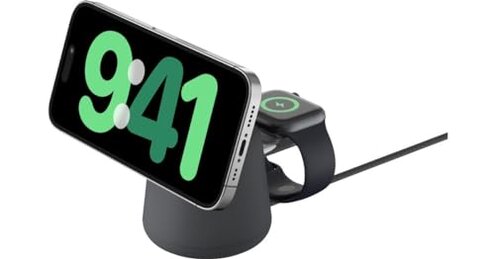
Product evaluated: Belkin 2-in-1 MagSafe Wireless Charging Dock 15W Fast Charge iPhone Charger Compatible with iPhone 17, 16, 15, and 14 Series, AirPods, Pixel 10, and Other MagSafe Enabled Devices, PSU Included - Black
Related Videos For You
I Tested $1200 Worth Of MagSafe Multi-Chargers - Which Ones Was Best?
MagSafe Charger Overheating issues with my iPhone 12
Data basis: This report used dozens of written reviews and several video demonstrations collected between Apr 2024 and Feb 2026. Most feedback came from written reviews, supported by video demonstrations. Sources include buyer posts and hands-on clips.
| Outcome | Belkin 2‑in‑1 Dock | Typical mid‑range dock |
|---|---|---|
| Charging reliability | Intermittent alignment and dropouts reported during daily use. | More consistent single‑device coils usually perform steadier. |
| Heat buildup | Higher risk of noticeable warmth under continuous charging. | Lower heat designs are common in comparable docks. |
| Compatibility | Case sensitivity and Apple Watch placement issues are common. | Broader tolerance for cases and non‑MagSafe phones. |
| Portability & size | Bulky footprint and heavier base than small stands. | Smaller travel models are usually lighter and flatter. |
| Regret trigger | Frequent interruption of overnight charging is the biggest complaint. | Less likely to interrupt overnight charging in the category baseline. |
Top failures
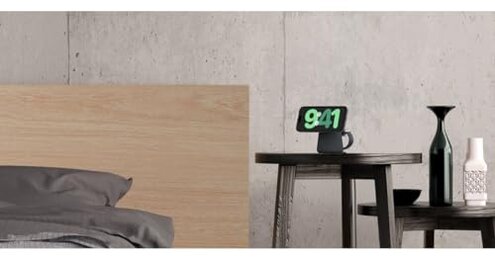
Why does my phone sometimes stop charging on this dock?
Intermittent charging is among the most common complaints buyers report. This usually appears during first use and recurs during nightly charging sessions. The problem often worsens when phones are in thin cases or the device is nudged.
Pattern: Recurring but not universal; many buyers see it repeat. When: First setup and overnight placement shows the issue. Category contrast: More disruptive than typical mid‑range MagSafe stands because it combines dual coils and an Apple Watch pad, creating stricter alignment needs.
Why does the dock get warm during use?
- Heat reports are a primary issue and appear repeatedly in feedback.
- When: Noticeable warmth shows in long charging sessions and overnight charging.
- Cause: Dual‑device charging at the dock’s 30W input concentrates power in a small area.
- Impact: Users say it feels hotter than expected for a consumer dock.
- Attempts: Buyers unplug and replug to reset charging, which is disruptive.
Why won’t my Apple Watch or AirPods charge reliably?
- Watch failures are a secondary pattern seen across multiple reports.
- When: The watch often fails to start charging when placed casually on the pad.
- Hidden requirement: Precise placement or removing the watch band is sometimes needed for contact.
- Frequency tier: Secondary but more frustrating than typical because watch pads usually align easily.
- Impact: Failed morning charging leads to missed alarms and lost battery during the day.
- Fixability: Some buyers improvised guides or markers to drop the watch into the sweet spot.
- Category contrast: Less forgiving than many single‑function chargers where alignment is simpler.
Why is setup and daily use more fiddly than I expected?
- PSU dependence is an edge‑case problem noted by a smaller group of buyers.
- When: Problems appear during setup when using third‑party cables or weak adapters.
- Requirement: The dock ships with a 30W PD PSU and braided USB‑C cable; using weaker adapters reduces output.
- Impact: Lower power adapters lead to slower charging or failure to charge both devices simultaneously.
- Early sign: Phone shows slower charge percentage gain in the first 30 minutes.
- Attempts: Buyers who swapped to the included PSU regained better performance.
- Category contrast: More setup sensitive than most mid‑range docks that work with a wider range of adapters.
Illustrative excerpts
"Phone drops charging overnight despite correct placement." — illustrative; reflects a primary pattern.
"Watch needs exact centering to wake the pad each time." — illustrative; reflects a secondary pattern.
"Feels warm after a few hours of charging two devices together." — illustrative; reflects a primary pattern.
"Switched adapters and the dock behaved better with the included PSU." — illustrative; reflects an edge‑case pattern.
Who should avoid this
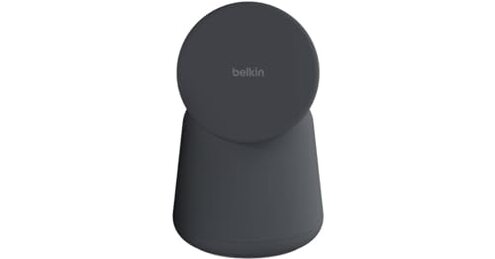
- Light sleepers who need reliable overnight charging should avoid it because intermittency disrupts overnight top‑ups.
- Travel minimalists who want a compact, foolproof charger should avoid it because the dock is bulkier than travel stands.
- Non‑tech buyers who dislike fiddling should avoid it because case removal or precise placement is sometimes required.
Who this is actually good for
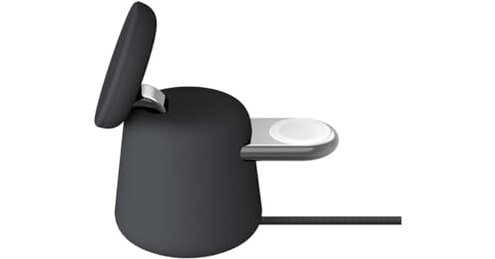
- Desk users who prioritize a stable workstation can tolerate occasional fuss for a tidy dual charger.
- Buyers with included PSU who will use the supplied 30W adapter can avoid adapter problems.
- MagSafe users who value adjustable viewing angles and occasional re‑alignment may accept the tradeoffs.
Expectation vs reality
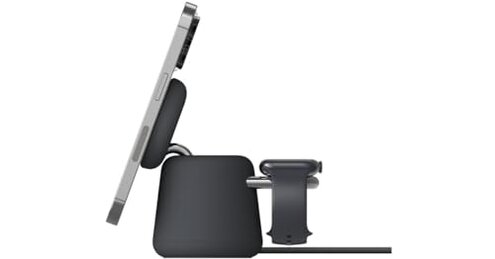
Expectation: A MagSafe dock should hold position and charge reliably overnight, which is reasonable for this category.
Reality: Many buyers experienced intermittent drops and heat during long sessions, making nightly charging less reliable than expected.
Safer alternatives
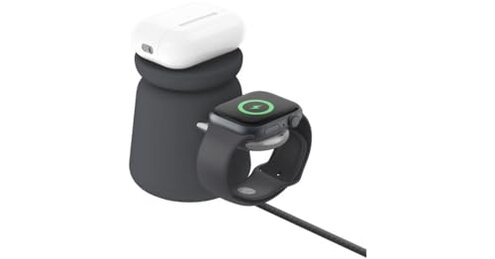
- Choose single‑device docks to avoid alignment conflicts and reduce heat for overnight use.
- Prefer verified higher‑watt PSUs or use the included 30W adapter to prevent power‑related dropouts.
- Look for wider charging pads if you need forgiving placement for watches or AirPods.
- Check case compatibility before buying; remove thick cases or buy a model specified as case‑friendly.
The bottom line
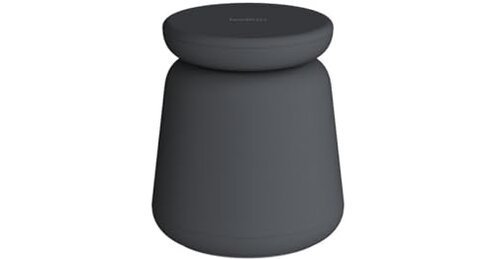
Main regret: Frequent charging interruptions and noticeable heat are the top buyer triggers. This exceeds normal category risk because dual‑device designs increase alignment and thermal challenges. Verdict: Avoid if you need effortless overnight reliability.
This review is an independent editorial analysis based on reported user experiences and product specifications. NegReview.com does not sell products.