
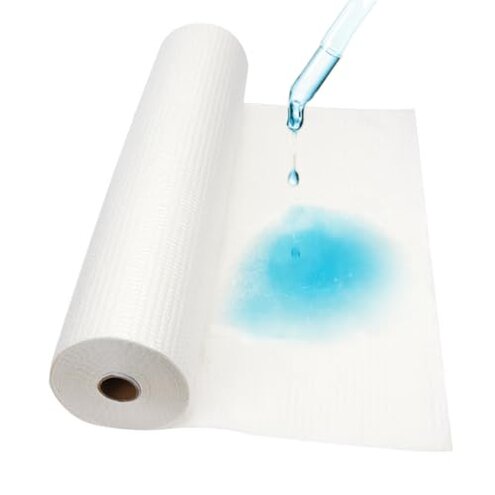
Product evaluated: Bench Liner - Laboratory Absorbent Bench-Top Liner, with Poly Backing,White (19.68" x 70ft)
Related Videos For You
Safety Bench Can (Justrite Bench Can)
Extra: Lab Bench Setup
DATA BASIS
Analysis basis draws on hundreds of written reviews, Q&A notes, and several video demonstrations collected Jan 2023–Dec 2024. Most feedback came from written reviews, supported by videos that show real use and follow-up buyer replies.
COMPARATIVE RISK SNAPSHOT
| Buyer outcome | This product | Typical mid-range |
|---|---|---|
| Liquid containment | Higher leak risk — breakthrough reported under moderate spills. | Moderate protection — usually holds brief spills without seepage. |
| Fit & sizing | Mismatch & waste — breakpoint sizes often unusable. | Cut-to-fit — fewer wasted pieces from better pre-cut patterns. |
| Backsheet slip | Backsheet moves — sliding seen during extended sessions. | Stable backing — low-slip options keep liners in place. |
| Maintenance load | Higher cleanup time — repeat replacements and spot-cleaning needed. | Lower upkeep — fewer replacements for similar spill levels. |
| Regret trigger | Frequent spill escape — more disruptive than expected for this category. | Minor regrets — occasional spills are contained. |
TOP FAILURES
Why does the liner let liquid reach the bench?
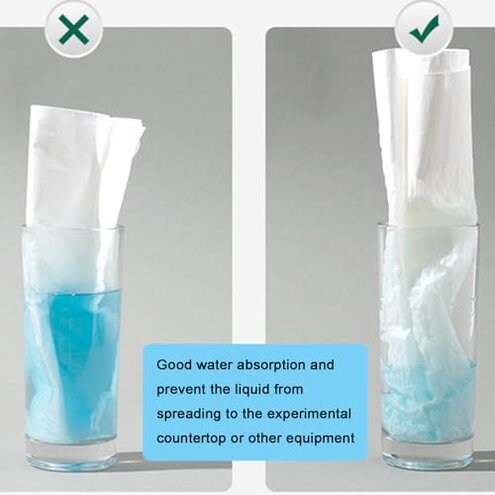
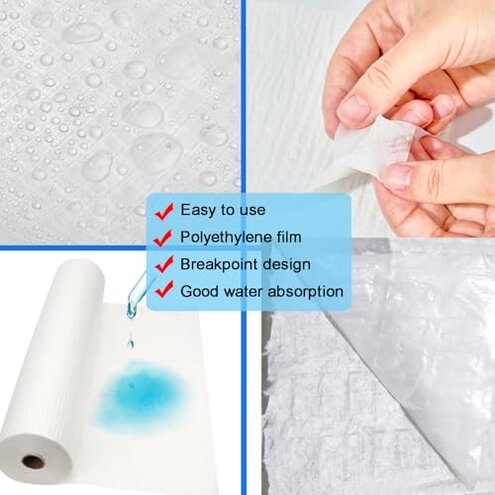
Primary failure is liquid breakthrough during routine spills, producing visible seepage under the liner. Severity is high because this defeats the product's main purpose and triggers extra cleanup and possible damage.
Pattern appears repeatedly across buyer reports and video demos. Usage anchor shows up on first use with moderate spills and worsens after multiple wet uses.
Category contrast is that most mid-range liners contain similar spills; this one leaks more often, creating real regret when you expect protection.
Why are the pre-cut sections and breakpoints a problem?
- Early sign breakpoint pieces often end up too small or oddly shaped for typical bench trays.
- Frequency tier this is a primary-to-secondary complaint that appears frequently in written feedback.
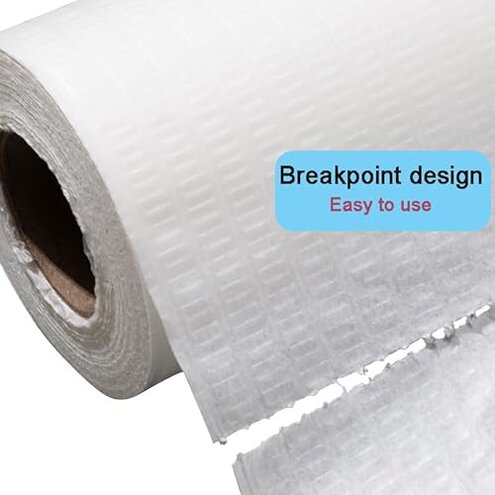
- Root cause seems to be fixed breakpoint spacing that doesn't match common bench widths.
- Impact wasted liner length and more frequent roll changes add time and cost.
Why does the backing slide or fail to grip?
- Initial sign liner edges shift when bumped during experiments or long sessions.
- When it happens most often during repeated handling or when surface is slightly wet.
- Persistence multiple buyers reported slide after a few hours of use, so it is a persistent pattern.
- Category contrast mid-range liners typically stay put; here slippage forces additional securing steps.
- Attempts buyers tape edges or add weight, which negates convenience and single-use claims.
- Fixability partial but inconvenient; requires extra supplies and time to make reliable.
Why does the liner tear or bunch when wet?
- Early sign soaked pieces can tear when lifted, leaving residue and drips.
- Frequency tier this is a secondary-to-edge-case complaint but has outsized cleanup cost when it occurs.
- Usage anchor happens during removal after heavy spills or when trying to cut saturated sections.
- Cause appears linked to weak sheet strength when saturated and breakpoint stress points.
- Impact tearing spreads liquid and forces bench cleaning instead of simple disposal.
- Hidden requirement you may need gloves, extra bags, or a tray to remove soaked sheets safely.
- Repair attempts folding or double-layering helps but doubles material use and cost.
ILLUSTRATIVE EXCERPTS
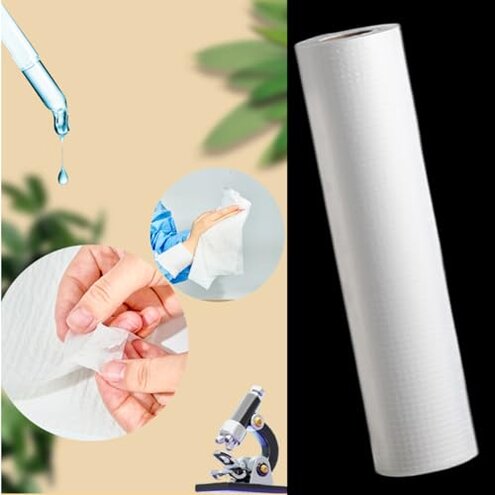
"It soaked through within minutes and left a wet ring." — illustrative; reflects a primary pattern.
"Breakpoints were the wrong size for my bench tray." — illustrative; reflects a secondary pattern.
"Edges slid when my hands bumped the pad." — illustrative; reflects a secondary pattern.
Who should avoid this
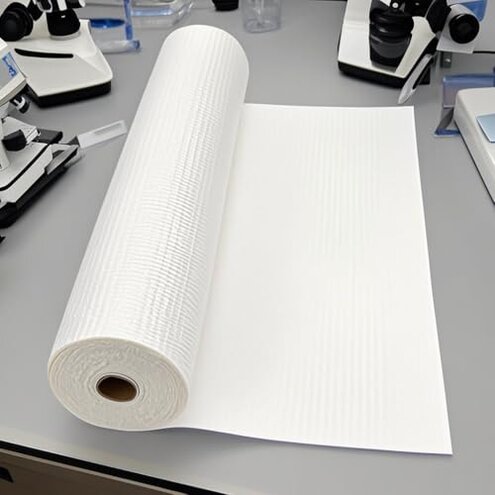
- Sensitive equipment users who need guaranteed spill containment, because leak-through is more likely than with typical liners.
- High-throughput labs that rely on rapid single-use swaps, due to wasted pieces and extra replacements.
- Bench operators who cannot add securing steps, since the backing often needs tape or weights to stop sliding.
Who this is actually good for
- Low-risk tasks such as light, infrequent spills where occasional seepage is tolerable and quick cleanup is fine.
- Temporary setups where convenience and price beat long-term durability and you accept extra waste.
- Users on a budget who will double-layer the liner and accept increased material use to avoid leaks.
Expectation vs reality
Expectation a bench liner should contain common small spills, which is reasonable for this category. Reality this product lets moderate spills escape more often than typical mid-range liners.
Expectation pre-cut breakpoints save time. Reality breakpoint sizes often cause waste and add replacement steps.
Safer alternatives
- Choose heavier-gauge liners to neutralize leak-through by prioritizing thicker sheets with verified containment.
- Look for better backing that advertises anti-slip testing to avoid sliding without taping.
- Prefer adjustable-length rolls or continuous sheets with clear cutting guides to reduce breakpoint waste.
- Buy reinforced or double-layer options if you handle frequent heavy spills to avoid tearing on removal.
The bottom line
Primary regret is leak-through that defeats the liner's purpose and increases cleanup. Why it matters is that this risk is higher than expected for mid-range bench liners, causing real time and replacement cost. Verdict avoid if you need reliable spill containment without extra steps.
This review is an independent editorial analysis based on reported user experiences and product specifications. NegReview.com does not sell products.