
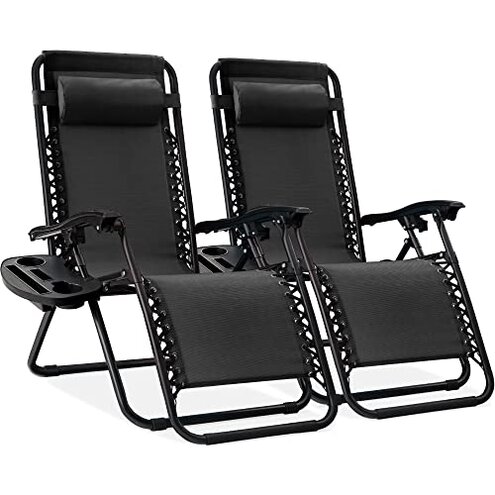
Product evaluated: Best Choice Products Set of 2 Adjustable Steel Mesh Zero Gravity Lounge Chair Recliners w/Pillows and Cup Holder Trays - Black
Related Videos For You
Product Review: Amazon Basics Zero Gravity Lounge Chair
Amazon Basics Zero Gravity Reclining Lounge Chair (Review)
Data basis: This report pulls from hundreds of buyer comments gathered from product listing feedback, written owner notes, and video-style demonstrations collected across 2023 to 2026. Most feedback came from written reviews, with added context from photo and video posts showing setup, reclining, and outdoor use.
| Buyer outcome | This chair set | Typical mid-range alternative |
|---|---|---|
| Comfort over time | Mixed; comfort is decent at first, but recurring complaints focus on sagging support and pressure points during longer sitting sessions. | More consistent; still basic, but usually holds body position better during extended lounging. |
| Recline confidence | Higher risk; a primary complaint is the locking feel during recline, especially after setup and repeated adjustments. | Lower risk; most mid-range chairs still wobble a bit, but usually feel more predictable when changing positions. |
| Outdoor durability | Below normal; persistent complaints mention wear showing sooner than expected with frequent folding, carrying, and outside storage. | More forgiving; typical options in this tier still age, but usually tolerate routine seasonal use better. |
| Tray usefulness | Hit or miss; the tray is convenient, but less frequent complaints say it adds fiddly setup and can feel less secure in real use. | Simpler trade-off; many alternatives skip the tray, which means less convenience but also fewer fit annoyances. |
| Regret trigger | Strongest trigger; buyers expecting easy, sturdy reclining often get frustrated when the chair feels less stable than the price and feature list suggest. | Typical trigger; regret usually comes from basic comfort limits, not from repeated confidence issues during use. |
Does the recline feel less secure than it should?
This is a primary issue. The most common regret moment happens during recline, when a chair meant to feel relaxing instead feels a little uncertain. That trade-off hits harder because secure position changes are a basic expectation for this category.
The pattern appears repeatedly. It tends to show up on first setup and then again during daily use when buyers shift between upright and laid-back positions. Compared with typical mid-range loungers, the confidence gap feels more disruptive than expected.
Illustrative excerpt: “I lean back and keep wondering if it really locked.” Primary pattern
Why it matters: When a zero-gravity chair makes you think about the mechanism, it stops feeling restful. Even if it does not fail outright, that constant second-guessing is a bigger annoyance than normal for this type of chair.
Will it start feeling worn sooner than you expect?
- Frequency tier: This is a primary durability complaint, appearing often enough to matter for buyers planning repeated outdoor use.
- When it shows: The problem usually appears after repeated folding, carrying, and leaving the chairs in regular patio or event rotation.
- What buyers notice: The chair can start feeling less taut and less supportive, which makes lounging feel cheaper over time.
- Why regret grows: A budget chair is expected to age, but this seems faster than normal for a mid-range-looking set sold as portable and reliable.
- Impact: Once support softens, longer sitting sessions can feel less comfortable and less stable even if the frame still stands.
- Attempts to prevent it: Some owners try gentler storage and less exposure, which may help, but that adds extra upkeep compared with easier-care alternatives.
- Hidden requirement: To avoid faster wear, buyers may need to treat these more like fair-weather chairs than leave-outside loungers.
- Illustrative excerpt: “Nice for a season, then they started feeling tired fast.” Primary pattern
Is the comfort more shallow than the photos suggest?
- Pattern: This is a secondary issue, not universal, but persistent enough across feedback to affect longer-use buyers.
- Usage moment: It usually shows up during long sitting sessions, not quick breaks at a game or short time on a patio.
- What changes: Initial comfort can feel fine at first, then less supportive as body weight settles into the chair.
- Category contrast: Some firmness is normal here, but buyers often expect zero-gravity chairs to spread pressure more evenly than this.
- Body-size effect: Comfort complaints seem worse for people who are more sensitive to seat tension and headrest position.
- Pillow trade-off: The included headrest helps some users, but others find it needs constant adjusting instead of staying naturally useful.
- Real result: The chair may still work for casual use, but it can disappoint anyone expecting nap-friendly comfort.
- Illustrative excerpt: “Fine for twenty minutes, not my favorite for an afternoon.” Secondary pattern
Do the extras make ownership easier or just fussier?
- Frequency tier: This is an edge-case to secondary frustration, less common than stability complaints but more annoying when it happens.
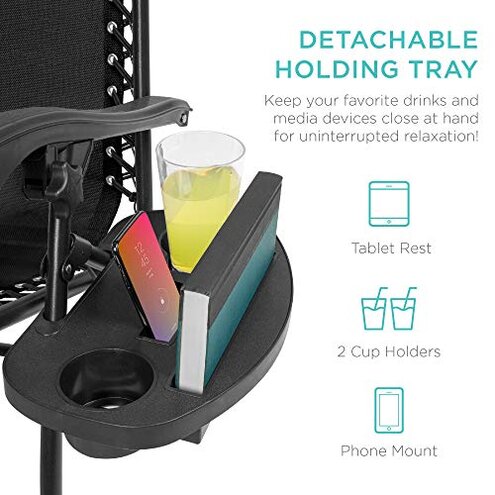
- Main extra: The tray looks very useful on paper because it adds cup and device spots.
- When it becomes annoying: The downside appears during setup, moving, or storage, when buyers want a quick grab-and-go chair.
- What changes in real use: Extra pieces can mean more handling, more alignment fuss, and one more thing to keep track of.
- Category contrast: Mid-range alternatives often skip accessories, which feels less exciting, but also means less friction in daily use.
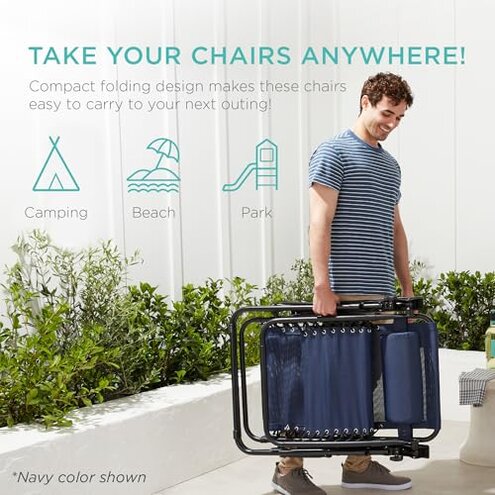
- Who notices most: This bothers buyers who planned to carry the set often to sports events, parks, or the beach.
- Fixability: You can simply leave the tray off, but that means paying for a feature you may stop using.
- Illustrative excerpt: “The holder was handy, but it made setup more annoying.” Edge-case pattern
Who should avoid this
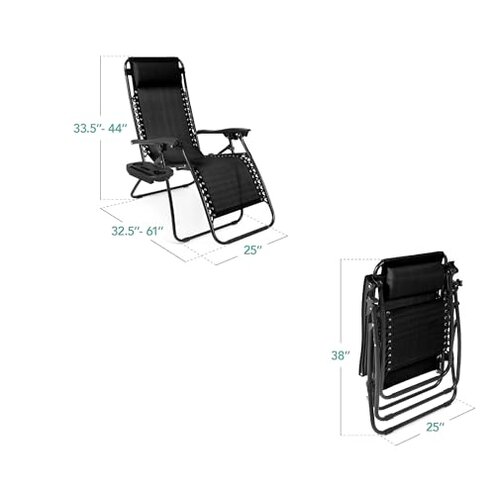
Avoid it if you want a recliner that feels confidently locked every time. That concern shows up more often than a normal chair-category wobble.
Skip it if you expect frequent outdoor use through seasons without extra care. The wear concern appears repeatedly and seems higher than normal for the class.
Pass if you want all-day comfort for reading, napping, or long patio sessions. Secondary comfort complaints become more noticeable the longer you stay seated.
Look elsewhere if you hate detachable accessories and setup fuss. The tray convenience can turn into extra steps during transport and storage.
Who this is actually good for
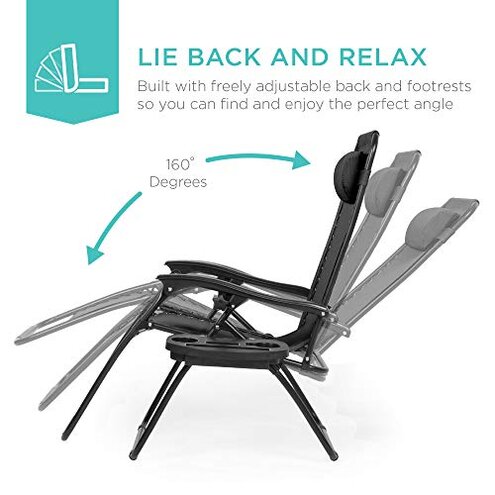
It fits casual buyers who want two low-cost loungers for short sessions and can accept some recline uncertainty.
It works for occasional event use where portability matters more than all-afternoon comfort or long-term outdoor durability.
It suits shoppers who like the tray idea and do not mind removing accessories to simplify carrying and storage.
It can fit covered-patio use if you are willing to store the chairs carefully and treat them as lighter-duty seating.
Expectation vs reality
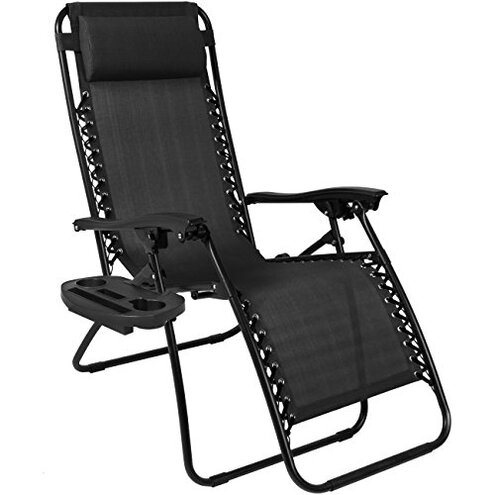
- Expectation: A zero-gravity chair should feel secure to recline without second-guessing the position.
- Reality: The main frustration is that the recline can feel less confidence-inspiring than expected, especially after repeated adjustments.
- Expectation: A set this size should handle routine outings with normal outdoor wear.
- Reality: Feedback suggests more upkeep than a reasonable mid-range baseline if you want it to keep its support.
- Expectation: Added trays should make the chairs easier to live with.
- Reality: For some buyers, the accessory adds convenience at rest but also extra handling during setup and transport.
Safer alternatives
- Prioritize lock confidence: Choose a lounge chair known for stable recline hardware if your biggest fear is feeling unsure while leaning back.
- Buy for actual use: If these will live outdoors or travel often, look for options described as heavier-duty for frequent folding.
- Test comfort expectations: If you want nap-level support, favor chairs with a reputation for better tension retention during longer sessions.
- Keep accessories simple: If you move chairs a lot, skip detachable add-ons and look for a cleaner one-piece setup.
- Check return friction: Since the warranty window is 60 days and return handling can add effort, safer picks are those with easier replacement support.
The bottom line
The biggest regret trigger is not basic comfort alone. It is the combination of recurring recline-confidence complaints and wear concerns that show up during normal folding, moving, and lounging.
That exceeds normal category risk because most mid-range alternatives may be plain, but they usually do not create as much day-to-day doubt about stability. Verdict: avoid this set if you want dependable reclining feel and season-after-season use with little fuss.
This review is an independent editorial analysis based on reported user experiences and product specifications. NegReview.com does not sell products.