
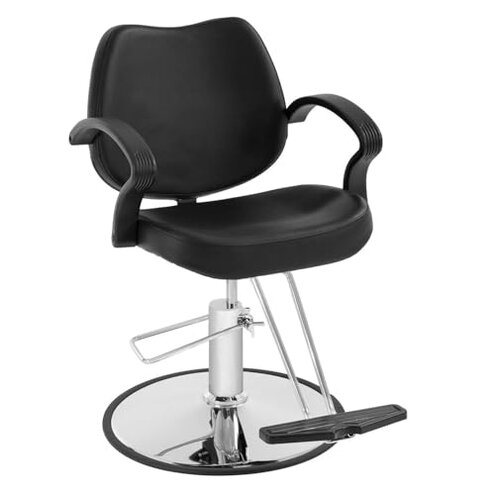
Product evaluated: BestMassage | Barber Chair | Hydraulic Styling Chair | PU Leather | Adjustable Height | Footrest | Anti-Slip Chrome Base | Heavy-Duty Steel Frame | Black | for Hair Stylists & Home Use
Related Videos For You
HOW TO set up the BEST Barber Station!
Salon Chair Repair - The Salon Chair Guys - Hydraulic Salon Chair Repair Hydraulic Seal Replacement
Data basis: This report is based on hundreds of buyer comments collected across written product reviews and short video demonstrations between 2018 and 2025. Most feedback came from written reviews, supported by hands-on videos and seller Q&A notes.
| Outcome | This chair | Typical mid-range chair |
|---|---|---|
| Price/value | Low-cost with visible savings but mixed longevity. | Balanced tends to have steadier long-term value. |
| Stability | Wobble reports are common under daily salon use. | Steadier base and less movement during service sessions. |
| Hydraulic reliability | Higher-than-normal risk of pump slipping or losing lift over time. | More reliable pumps that last longer under repeated use. |
| Upholstery durability | Peeling and cracking appears repeatedly after months of use. | More durable coverings resist peeling with normal cleaning. |
| Regret trigger | Service interruption — failures occur during daily client sessions. | Lower risk of mid-session failures for typical mid-range models. |
Why does the chair lose height or fail mid-service?
Immediate regret: Hydraulic slipping commonly appears after the first weeks of use and can drop height during a cut or color appointment.
Pattern signal: This is a primary issue that appears repeatedly across buyer feedback and hands-on clips.
Category contrast: Hydraulic reliability is worse than most mid-range chairs, making breakdowns more disruptive for frequent salon use.
Why does the base feel unstable under clients?
- Early sign: Wobble or rocking during leaning and client turns shows up in initial sessions.
- Frequency tier: Secondary issue that is commonly reported but not universal.
- Usage anchor: Problems worsen with heavy or restless clients and long styling sessions.
- Category contrast: More movement than expected compared with typical mid-range barber chairs.
Why does the upholstery peel or look worn quickly?
- Early sign: Cracking or peeling often shows within months under regular salon cleaning.
- Pattern signal: Persistent secondary complaint across reviews and photo evidence.
- Cause: Frequent cleaning, chemical contact, and daily friction accelerate visible wear.
- Impact: Cosmetic failure reduces professional appearance and may need early replacement.
- Attempts: Buyers report cleaning carefully or using covers, but issues still reappear.
- Category contrast: Worse than typical mid-range upholstery life, raising upkeep and replacement costs sooner.
Why is assembly and upkeep more tedious than advertised?
- Hidden requirement: Regular tightening and occasional part swaps are commonly needed after setup.
- Early sign: Loose bolts and squeaks often appear within the first weeks.
- Frequency tier: Secondary-to-edge issue that multiple buyers encounter over repeated use.
- Usage anchor: Problems worsen with daily handling and heavy adjustments between clients.
- Fixability: Many buyers can partially fix issues with tools, but repairs add time and cost.
- Cause: Simpler included hardware and minimal instructions increase assembly steps and errors.
- Category contrast: Requires more ongoing work than most mid-range chairs, creating hidden maintenance time.
Illustrative excerpts
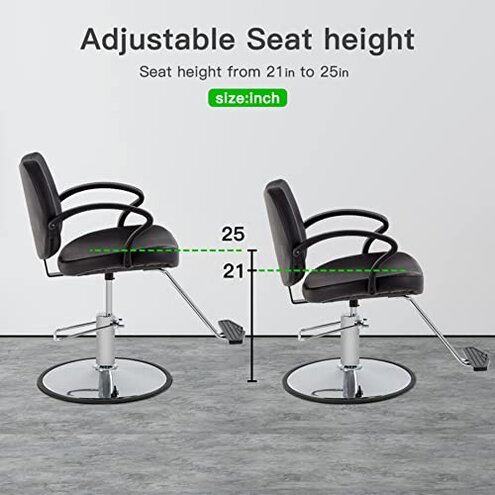
"Dropped mid-cut, had to re-adjust height twice that week." — Reflects a primary hydraulic pattern.
"Seat leather peeling after two months of normal salon cleaning." — Reflects a secondary upholstery pattern.
"Bolts loosened and squeaked, needed extra tools to tighten." — Reflects an edge-case assembly/maintenance pattern.
Who should avoid this
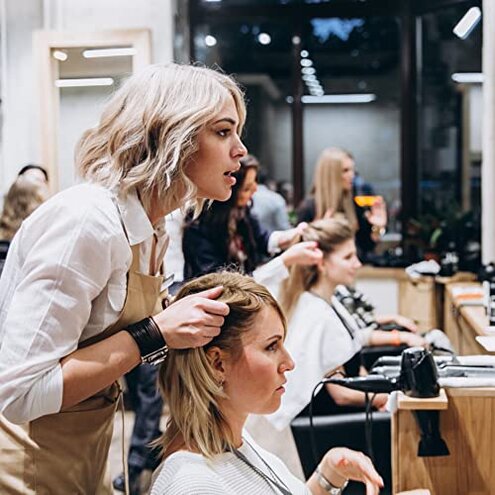
- Busy salons: Avoid if you need reliable daily hydraulic performance without mid-shift failures.
- High-traffic use: Avoid if clients are heavy or services are long and stability is critical.
- Finish-conscious pros: Avoid if quick-onset upholstery wear would harm your salon image.
Who this is actually good for
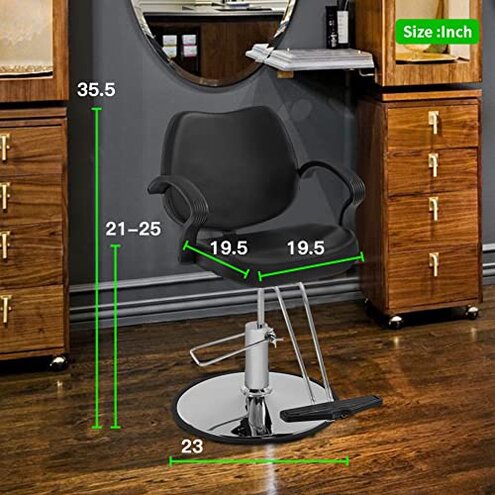
- Occasional home stylists: Acceptable if you use the chair infrequently and can live with cosmetic wear.
- Budget hobbyists: Useful when price matters more than long-term reliability and heavy daily use.
- DIY fixers: Works if you are willing to perform regular tightening and minor pump maintenance.
Expectation vs reality
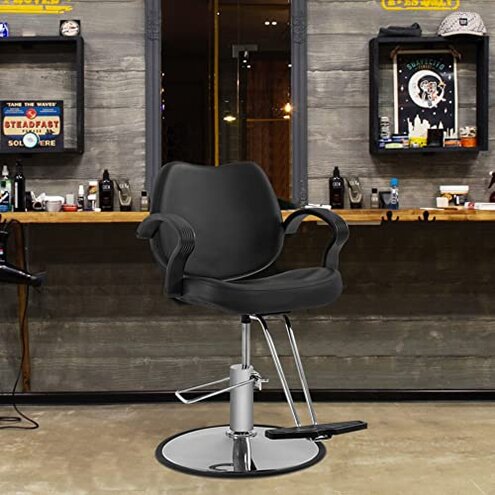
Expectation (reasonable for category): A mid-range barber chair should hold height reliably during service.
Reality: Hydraulic slipping and base movement make this chair less dependable than typical alternatives.
Expectation: Upholstery lasts many months under normal cleaning routines.
Reality: Peeling appears sooner than expected, increasing replacement or cover costs.
Safer alternatives
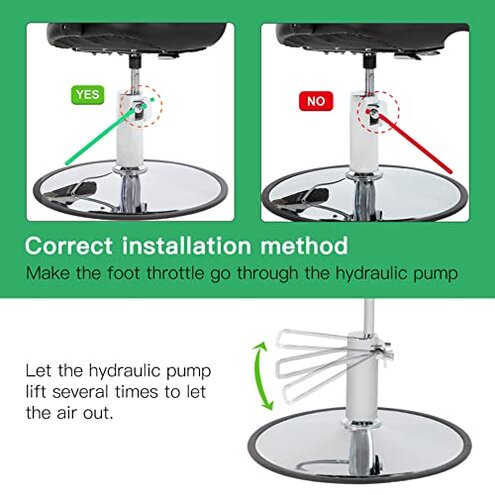
- Prioritize pump quality: Look for chairs with proven hydraulic warranties to avoid mid-service drops.
- Check base design: Choose models with wider, weighted chrome bases to reduce wobble under clients.
- Upholstery specs: Prefer chairs advertised with higher-grade coverings or replaceable panels for longevity.
- Maintenance ease: Pick chairs with clear service guides and available spare parts to lower hidden upkeep time.
- Hands-on testing: When possible, test lift and rotation in person or watch teardown/setup videos before buying.
The bottom line
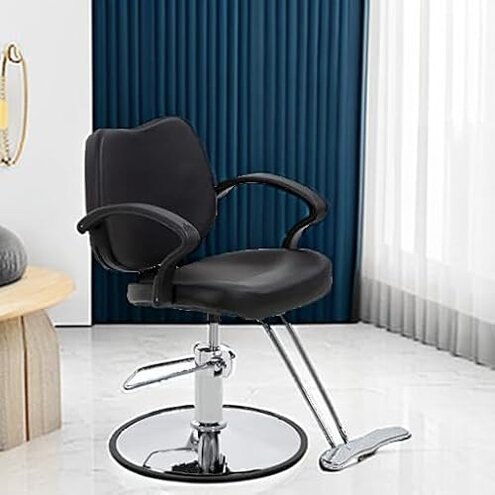
Main regret: Hydraulic pump reliability and base stability are the primary failure triggers reported by many buyers.
Why it matters: These failures exceed normal category risk for daily salon use and cause mid-service interruptions.
Verdict: Avoid this chair if you need dependable, long-term salon performance; consider it only for light home use or if you can perform regular fixes.
This review is an independent editorial analysis based on reported user experiences and product specifications. NegReview.com does not sell products.