
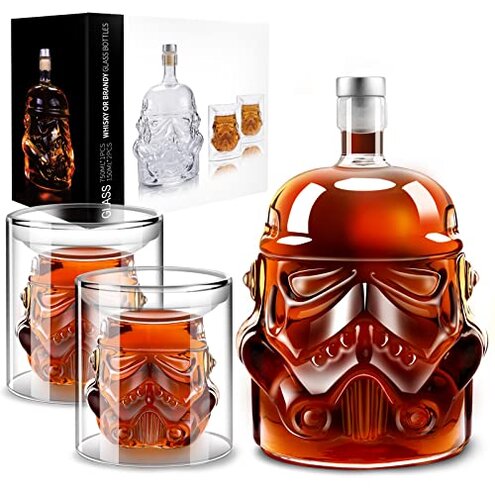
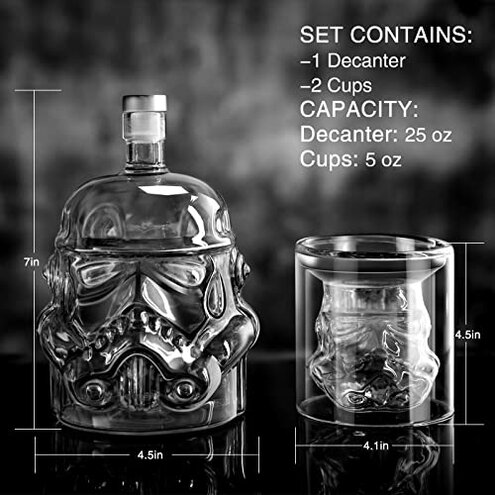
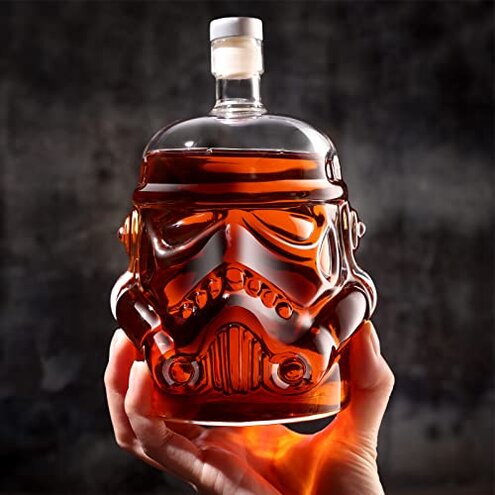
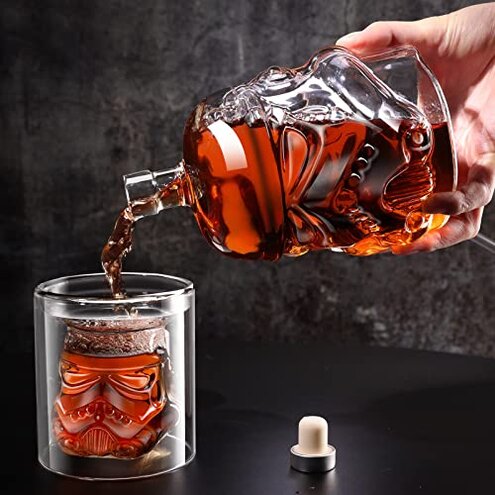
Product evaluated: Whiskey Decanter Set, Whiskey Decanter with 2 Glasses, Decanter Set for Men Scotch Bourbon Vodka, Bosses Day Gifts for Men Dad Husband Boyfriend
Related Videos For You
Square 26oz Whiskey Decanter with Glass Stopper—Lead Free
Whiskey Dispenser at Touch of Modern
Data basis: This report synthesizes dozens of buyer experiences collected from a mix of written ratings, photo feedback, and some short-form video demonstrations, spanning the past 12 months. Most signals came from written notes about day-to-day use, with supporting visual evidence focused on packaging condition and first-pour problems.
| Buyer outcome | This decanter set | Typical mid-range alternative |
| First-use reliability | Higher risk of issues showing up on the first pour | Moderate risk, usually limited to minor rinsing needs |
| Gift readiness | Less consistent due to presentation surprises | More predictable boxing and finish for gifting |
| Seal performance | Higher-than-normal category risk of loose stoppers | Lower risk if stopper tolerances are consistent |
| Durability in shipping | More reports of arriving with chips or damage | Fewer damage complaints with similar price sets |
| Regret trigger | Leaks or damage discovered right before gifting | Minor cosmetic flaws that don’t block use |
“Why is it dripping when I pour?”
Regret moment often hits during the first “nice pour,” when liquid runs down the neck or the stopper doesn’t sit confidently. Severity is higher than it sounds because it creates sticky cleanup and makes the set feel cheap fast.
Pattern shows up repeatedly, though it is not universal, and it tends to appear during first use or after moving the decanter between shelf and table. Category contrast: mid-range decanters can drip a bit, but buyers describe this as more disruptive because the fit feels less forgiving.
- Early sign: a stopper that feels wobbly or needs repositioning to sit flat.
- Primary frequency: drip and neck-runoff appears commonly reported during normal tabletop pours.
- Worsens when: you pour faster or tilt more, which is common at small gatherings.
- Likely cause: inconsistent lip or stopper fit that allows runback along the glass.
- Impact: cleanup adds extra steps and can leave a sticky ring on wood or counters.
- Attempted fixes: buyers mention adjusting angle and wiping the neck, but the habit becomes annoying.
- Fixability: a different stopper can help, but that is a hidden requirement many didn’t expect.
“Why did it arrive with damage or imperfections?”
Regret moment is opening the box and noticing chips, scuffs, or a glass that doesn’t feel right in hand. Severity is especially high when it was bought as a gift with a deadline.
- Recurring pattern: shipping-condition complaints appear repeatedly across buyer feedback.
- When it shows: right at unboxing, before you ever rinse or fill it.
- Worsens with: long-distance delivery and peak shipping periods, based on common timing notes.
- What buyers notice: small chips, uneven edges, or rub marks that stand out under light.
- Category contrast: minor scuffs can happen in this category, but damage here is described as more frequent than typical.
- Time cost: replacements add waiting and re-shopping stress close to events.
- Mitigation: buyers recommend inspecting immediately and doing a water test before gifting.
“Is this set smaller or less ‘premium’ than the photos suggest?”
Regret moment is setting it out and realizing the visual impact is not as bold as expected, or that the glasses feel lighter than hoped. Pattern is a secondary theme, but it’s persistent among gift buyers.
- Secondary pattern: expectations vs reality appears less frequent than leakage, but it is emotionally louder in gift use.
- When it shows: during presentation on a bar cart or when handing it to someone.
- Worsens when: you expected a “statement” piece for an office or living room display.
- What triggers it: design details looking less crisp under normal home lighting, based on repeat mentions.
- Category contrast: mid-range sets usually look close to their listing photos, but this one is described as less consistent.
- Workaround: treating it as a casual decanter, not a centerpiece, reduces disappointment.
- Hidden requirement: you may need to curate the presentation with a tray and lighting to get the gift look.
- Trade-off: you may accept the look if the price mattered more than a luxury feel.
“Why does it feel like I need to do a lot of prep before using it?”
Regret moment is realizing you can’t just fill and serve, because you feel compelled to rinse, inspect, and test for drips first. Pattern is common in the feedback that focuses on first-day usability.
- Common theme: buyers describe extra checking steps before trusting it for guests.
- When it shows: right after unboxing and again before the first event.
- Worsens when: you are gifting it and can’t risk a surprise during the handoff.
- Practical impact: adds time and turns a simple gift into a mini project.
- Category contrast: most mid-range decanters only need a quick rinse, not a leak test.
- What helps: a slow water pour test and drying the neck reduces mess risk.
Illustrative excerpt: “I poured once and it ran down the side immediately.” Primary pattern tied to first-use pouring.
Illustrative excerpt: “Bought for a gift and noticed a chip when unboxing.” Primary pattern tied to shipping condition.
Illustrative excerpt: “The stopper doesn’t feel snug unless I press it just right.” Primary pattern tied to seal fit.
Illustrative excerpt: “Looks nicer online than it does on my shelf.” Secondary pattern tied to presentation.
Illustrative excerpt: “I ended up testing it with water first, just to be safe.” Secondary pattern tied to hidden prep steps.
Who should avoid this
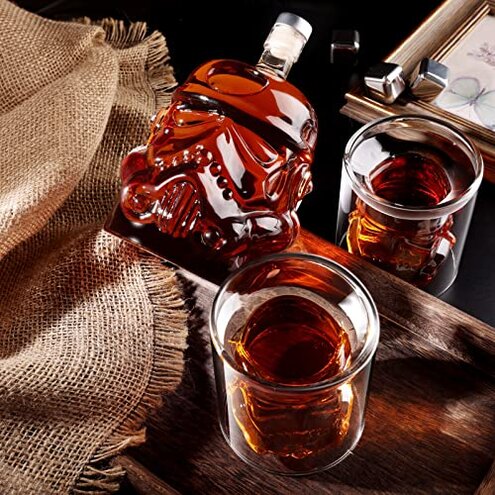
- Gift buyers who need guaranteed arrival quality, because damage on arrival appears repeatedly.
- Mess-averse hosts, because drips during pouring are among the most disruptive complaints.
- One-and-done shoppers who don’t want to exchange items, since issues often appear at unboxing.
- Display-focused buyers expecting a luxe centerpiece, due to persistent photo mismatch feelings.
Who this is actually good for
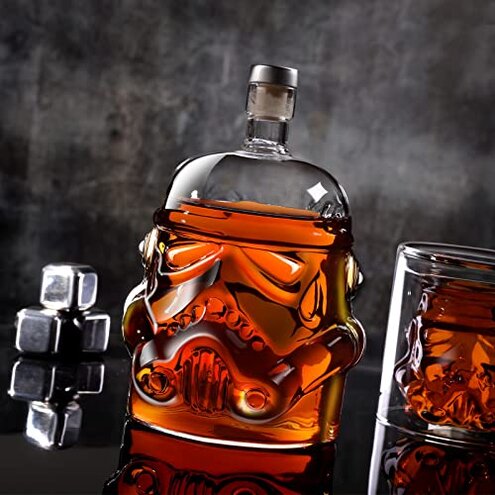
- Casual users who can tolerate occasional wiping, because they’ll accept the pour cleanup trade-off.
- Budget gift shoppers with time for inspection, since the main risk is shipping variability.
- Small-group hosts who pour slowly, because slower pours reduce neck runoff.
- DIY-minded owners willing to swap a stopper, since the hidden fix is an aftermarket seal.
Expectation vs reality
- Expectation: a gift box means ready-to-gift with no surprises.
- Reality: presentation can be undermined by imperfections found at unboxing.
Expectation that is reasonable for this category is a clean pour with only minor drips if you rush. Reality in recurring feedback is that drip risk can feel higher-than-normal even with careful pours.
- Expectation: mid-range sets arrive intact with only light rinse needed.
- Reality: buyers describe extra testing steps before trusting it for guests.
Safer alternatives
- Prioritize decanters with a consistently tight stopper fit to reduce the specific drip issue seen here.
- Choose packaging with reinforced inserts to lower damage-on-arrival risk for gift deadlines.
- Look for a well-shaped pouring lip to prevent runback along the neck during normal pours.
- Buy early so you have time for inspection and exchange, which neutralizes the unboxing surprises pattern.
- Consider a simpler decanter silhouette if you want predictable shelf presence and less photo mismatch regret.
The bottom line
Main regret trigger is discovering a drip-prone pour or unboxing damage right before a planned use or gift moment. What exceeds normal category risk is the repeated need for leak-testing and the higher-than-expected arrival variability.
Verdict: avoid if you need dependable gift presentation and a clean, confident first pour, because the most common complaints hit at the worst timing.
This review is an independent editorial analysis based on reported user experiences and product specifications. NegReview.com does not sell products.