
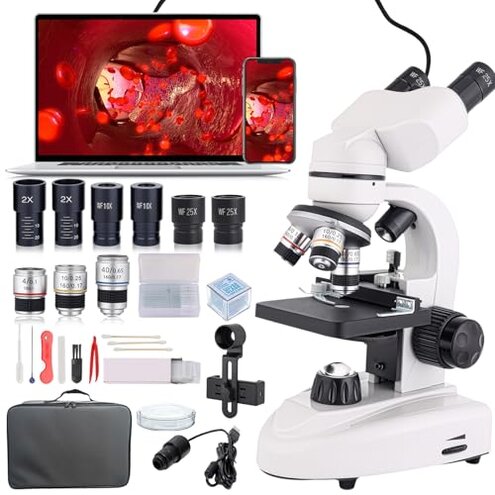
Product evaluated: Binocular Compound Microscope 40X-2000X, Research Grade Professional Microscope with Dual Mechanical Stages and Coaxial Coarse/Fine Focus Knobs, Built-in Electronic Eyepieces, Adult Microscope
Related Videos For You
BIOLOGY 10 - Basic Microscope Setup and Use
How to Focus a Microscope & How the Field of View Changes
Data basis This report is based on dozens of buyer comments gathered from written feedback and short video-style demonstrations collected across the recent review window. Most input came from written reviews, with supporting detail from image-backed and video-backed posts, which helps show both first-use setup problems and longer-session usability frustrations.
| Buyer outcome | This microscope | Typical mid-range alternative |
|---|---|---|
| First setup | Higher friction if you expect plug-in simplicity, especially with the built-in electronic viewing feature. | Usually simpler when the optics and viewing setup are more straightforward. |
| Image clarity | Mixed results depending on setup skill, lighting, and magnification choice. | More predictable at common classroom and hobby magnification levels. |
| Learning curve | Steeper than many buyers expect for casual home use. | Moderate for basic slide viewing and routine adjustments. |
| Daily use comfort | More fiddly when switching light, focus, and viewing mode during one session. | Less interruptive in typical student or hobby use. |
| Regret trigger | Looks more advanced than the experience feels once setup and image tuning begin. | Usually matches buyer expectations more closely. |
Did you expect a quick start, but got a project instead?
Primary issue appears to be setup friction. The regret moment usually happens on first use, when buyers expect a ready-to-view microscope and instead spend extra time adjusting lighting, focus, and the electronic viewing side.
Recurring pattern is not that the unit cannot be used. It is that getting a satisfying image can take more steps than expected, which feels worse than normal for a mid-range microscope sold to beginners and home learners.
Category contrast matters here. Some learning curve is reasonable for this category, but this kind of multi-step tuning feels less forgiving than typical alternatives aimed at students and casual users.
Hidden requirement is patience with trial-and-error. If you want a device that feels intuitive without practice, this can become frustrating before you even start observing slides.
- Early sign The first session often turns into adjusting instead of viewing.
- Frequency tier This looks like a primary pattern rather than an edge-case complaint.
- When it hits It shows up after unboxing and worsens when you switch between specimen types.
- Impact It adds extra steps and can make the microscope feel harder than it looks in the listing.
- Fixability It is partly manageable if you already know microscope basics, but that does not help true beginners much.
Are the high magnification claims more impressive than the real view?
- Primary complaint is that clarity consistency can be harder to achieve than the headline magnification suggests.
- Pattern signal This appears repeatedly in feedback from buyers who expected a sharp image without much tuning.
- Usage moment It becomes obvious during higher-magnification use, especially after you move beyond simple low-power viewing.
- Why it stings The product promises up to 2000X, so buyers naturally expect useful detail, not just more zoom with more fuss.
- Category baseline Some drop in ease is normal at higher power, but the frustration here feels more disruptive than expected for this price band.
- User impact You can spend more time chasing focus and light balance than actually observing the sample.
- Mitigation Results are better if you stay realistic about practical magnification and treat the top-end claim cautiously.
Do the extra features make use easier, or just busier?
- Secondary issue is that the feature set can feel overpacked for people who just want clear viewing.
- Pattern signal This is less frequent than setup complaints, but more frustrating when buyers chose it specifically for convenience.
- When it shows up It appears during longer sessions when changing light source, filters, and viewing mode interrupts the flow.
- Why buyers regret it More controls should help, but here they can create decision fatigue for beginners.
- Category contrast Mid-range alternatives often have fewer features, yet feel easier in practice because there is less to manage.
- Hidden requirement You need to be comfortable learning what each adjustment actually changes before the microscope feels useful.
Will it suit beginners, or mainly patient hobby users?
- Persistent concern is the mismatch between beginner-friendly marketing and the effort some new users face.
- Scope signal This concern shows up across different feedback styles, not just one kind of buyer comment.
- Usage context It matters most in home education, gift use, and casual science exploration where fast success matters.
- Why it feels worse A true beginner usually needs clear early wins, and this microscope can delay that payoff.
- Category baseline Basic microscopes are expected to teach some skill, but this one seems less forgiving than many student-oriented options.
- Real-world effect Buyers wanting plug-and-play learning may stop using it sooner than planned.
- Best mitigation It fits better if the user already accepts a practice period and enjoys manual adjustment.
- Risk level This is a secondary pattern, but it drives strong regret when the purchase was for a child, class, or easy home use.
Illustrative excerpt: “I thought I would be viewing slides fast, but setup kept slowing me down.” Primary pattern
Illustrative excerpt: “The zoom sounded exciting, but the image took work to make useful.” Primary pattern
Illustrative excerpt: “Too many adjustments for a beginner gift.” Secondary pattern
Illustrative excerpt: “It works better if you already know microscopes.” Secondary pattern
Who should avoid this

Avoid it if you want a microscope that feels easy on the first day. Setup friction is among the most common complaints and exceeds normal beginner-category tolerance.
Avoid it if the purchase is for a child, classroom, or gift where fast success matters. The learning curve can turn curiosity into delay.
Avoid it if you are buying mainly for the 2000X claim. High magnification sounds appealing, but clarity effort appears higher than expected.
Avoid it if you dislike products with hidden requirements. This one rewards patience and familiarity more than the listing suggests.
Who this is actually good for
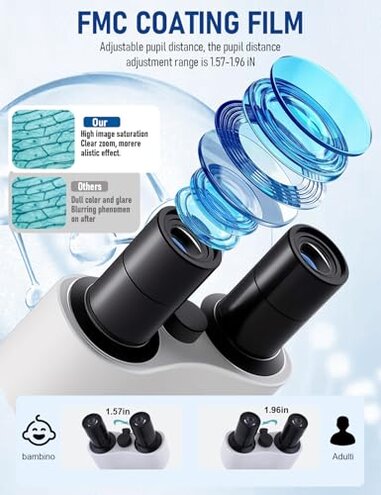
Better fit for a patient hobby user who accepts manual tuning as part of the experience.
Better fit for someone upgrading from a toy microscope and willing to tolerate setup complexity to learn more controls.
Better fit for buyers who will mostly use lower to mid magnification, where expectations can stay more realistic.
Better fit for users who do not mind a practice period and see adjustment as part of the hobby, not a flaw.
Expectation vs reality
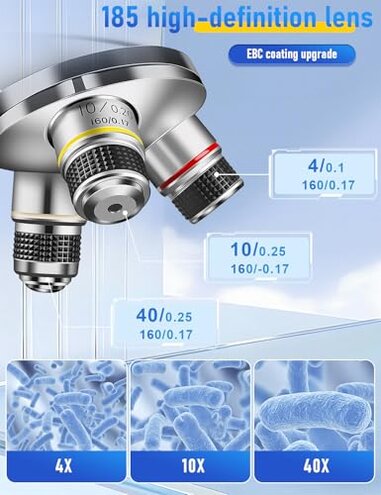
- Expectation A binocular microscope at this price should feel reasonably approachable for home learners.
- Reality The experience can be more technical than expected, especially when combining optics, light, and electronic viewing.
- Expectation A top-end magnification claim should lead to easy detail gains.
- Reality More magnification can mean more fiddling, not automatically better usable detail.
- Expectation Extra features should improve convenience.
- Reality They can create more management during normal sessions if you are still learning the basics.
Safer alternatives
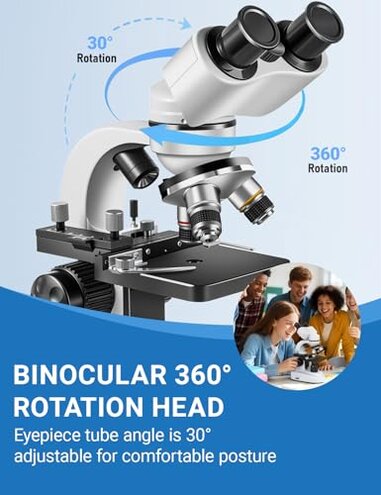
- Choose simpler optics if your main goal is easy slide viewing. A less feature-heavy binocular or even a strong monocular option can reduce setup friction.
- Prioritize practical magnification over headline numbers. Models praised for clear mid-range viewing usually avoid the high-zoom disappointment seen here.
- Look for beginner-focused setup if this is for home learning or gifts. Clear instructions and fewer viewing modes help neutralize the hidden skill requirement.
- Check real-use demonstrations before buying. This helps you spot whether image adjustment looks smooth or fiddly in normal hands.
The bottom line
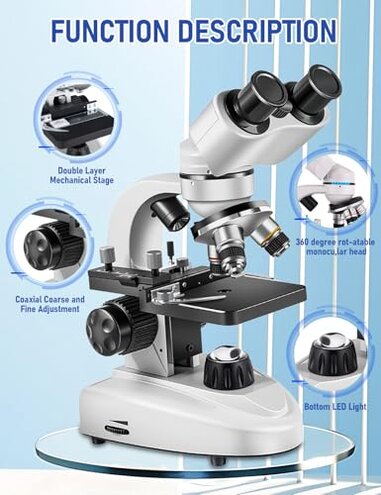
Main regret trigger is that the microscope can look more beginner-ready than it feels once setup and image tuning begin. That exceeds normal category risk because even mid-range microscopes usually deliver a more predictable first-use path. Verdict: avoid it if you want easy, fast, confidence-building use; consider it only if you accept a steeper learning curve and more hands-on adjustment.
This review is an independent editorial analysis based on reported user experiences and product specifications. NegReview.com does not sell products.