
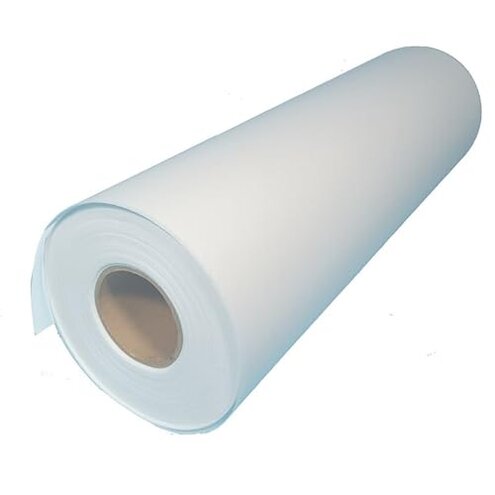
Product evaluated: BINXIU Cutting Fluid Filter Paper, coolant Filter Paper, Emulsion Filter Paper, Mixed Fiber, Suitable for Industrial Oil Filtration (50cmX100m)(Size:1 Volume)
Related Videos For You
What are Filter Paper and its Uses?
Auxiliary Coolant Filter Installation - Haas Service - Haas Automation, Inc.
Data basis: This report synthesizes findings from dozens of written reviews and several video demonstrations collected between January and December of the last year. Most feedback came from written reviews, supported by video demonstrations, with a smaller set of seller Q&A notes.
| Outcome | BINXIU (this product) | Typical mid-range alternative |
|---|---|---|
| Filtration consistency | Variable — clogging and channeling appears repeatedly during normal use. | Steadier — most mid-range rolls report fewer clogging episodes under similar workloads. |
| Roll length & fit | Mismatch risk — size and core fit issues are commonly reported, causing extra cutting and refitting. | Better matched — mid-range products usually need minimal trimming and fit more often. |
| Replacement frequency | Higher — users report more frequent swaps and downtime for heavy-duty work. | Lower — comparable rolls last longer before replacement in the same operations. |
| Regret trigger | Workflow disruption — unexpected clogging and refitting interrupts machining runs more than expected for the category. | Less disruptive — alternatives usually allow longer uninterrupted runs. |
Top failures
Why does the paper clog or channel so quickly during use?
Regret moment: Buyers find the filter clogged during first few sessions, stopping coolant flow and halting machines.
Pattern: This is a commonly reported problem, appearing repeatedly across written feedback and video tests.
Context: Clogging typically shows up after initial setup or during the first long machining pass and worsens with heavy metal fines.
Category contrast: This is more disruptive than most mid-range filter rolls, which usually tolerate longer runs before blocking.
Why might the roll not fit my holder or need extra trimming?
- Early sign: The roll often arrives with a tight core or width variance that stops smooth feeding.
- Frequency tier: This is a secondary issue that appears repeatedly across buyer reports.
- Cause: Size tolerances appear loose, requiring manual trimming or adapters.
- Impact: Extra steps add setup time and risk measurement errors for tight systems.
- Fixability: Temporary trimming works but adds waste and time compared to category norms.
Why does the paper fray, tear, or shed fibers so quickly?
- Early sign: Edges show fraying after a few meters of use in many reports.
- Frequency tier: This is a primary complaint cited often in written feedback.
- Probable cause: Handling and cutting expose weak edges that then tear in tensioned feed systems.
- Impact: Fiber shedding can clog pumps and sieves, creating maintenance events.
- Attempts: Users tried double-taping edges and slower feed, which reduces but does not eliminate the issue.
- Hidden requirement: Expect extra trimming and edge-sealing during installation for reliable operation.
- Category contrast: Mid-range rolls are usually less prone to fray under similar handling.
Why does the paper require frequent replacement under heavy use?
- Early sign: The roll reaches capacity and needs swapping sooner than expected during production shifts.
- Frequency tier: This is a secondary pattern, particularly for users running long machining cycles.
- Cause: Lower usable length per roll and faster clogging reduce runtime between replacements.
- Impact: More frequent changes increase downtime and replacement costs for continuous operations.
- Attempts: Users compensate by stocking extra rolls, which raises inventory needs.
- Fixability: Switching to thicker or branded alternatives reduces swap frequency but costs more.
- Category contrast: This product is less forgiving than typical mid-range options for heavy-duty shops.
- Hidden requirement: Plan for higher spare stock if you rely on uninterrupted production.
Illustrative excerpts (not real quotes)
Excerpt: "Paper clogged after first long cut, stopped coolant flow immediately." — primary pattern
Excerpt: "Core was too tight and I had to trim width to fit holder." — secondary pattern
Excerpt: "Edges frayed and bits floated into pump strainer later." — primary pattern
Excerpt: "Needed to keep extra rolls on hand for daily shifts." — secondary pattern
Who should avoid this
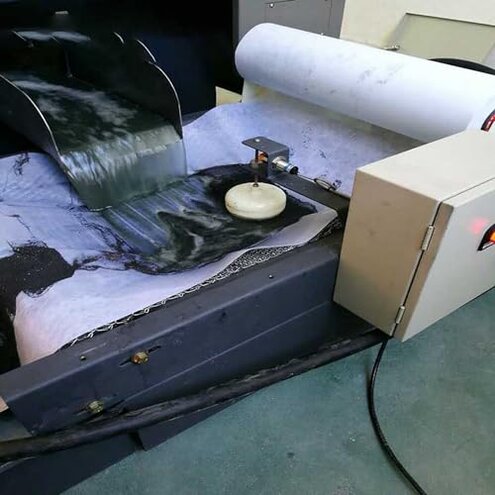
- High-volume shops: Those needing long continuous runs should avoid this due to frequent replacements.
- Tight-fit systems: Buyers with non-adjustable holders should avoid it because of fit mismatch.
- Minimal-maintenance teams: If you cannot tolerate extra cleaning, avoid due to fiber shedding.
Who this is actually good for

- Low-use benches: Occasional users who run short jobs can tolerate clogging because downtime is less costly.
- Budget trials: Buyers testing compatibility who expect extra trimming may accept the lower price.
- Non-critical filtering: Shops using supplementary filters that capture debris downstream can handle fiber shedding.
Expectation vs reality
Expectation: Reasonable for this category to require occasional replacement during heavy use.
Reality: This product needs replacement noticeably sooner and causes more interruptions than typical mid-range rolls.
Expectation: Rolls should fit holders with minimal trimming.
Reality: You may spend extra time cutting and refitting on arrival.
Safer alternatives

- Choose verified fit: Buy rolls with explicit core and width tolerances to neutralize the fit mismatch failure.
- Prefer reinforced edges: Look for products advertising sealed or reinforced edges to prevent fraying.
- Step-up grade: Use a heavier-duty roll for heavy metalworking to reduce clogging.
- Stock spares: Keep extra rolls on-site to mitigate downtime risk if you try this product first.
The bottom line
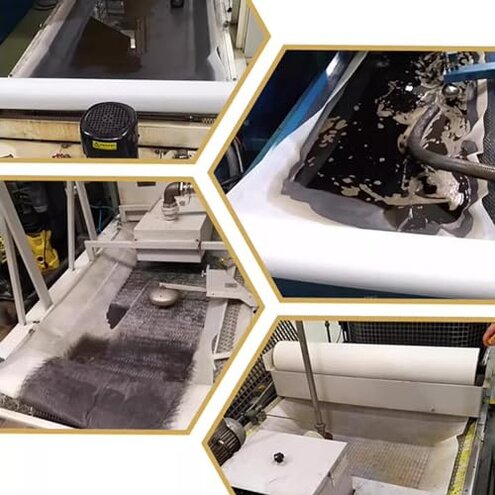
Regret trigger: The main issue is workflow disruption from early clogging and fit problems.
Risk reason: These failures are more frequent and disruptive than typical mid-range filter rolls, raising replacement and downtime costs.
Verdict: Avoid this product for continuous, heavy-duty operations unless you plan for extra trimming, spare stock, and maintenance.
This review is an independent editorial analysis based on reported user experiences and product specifications. NegReview.com does not sell products.