
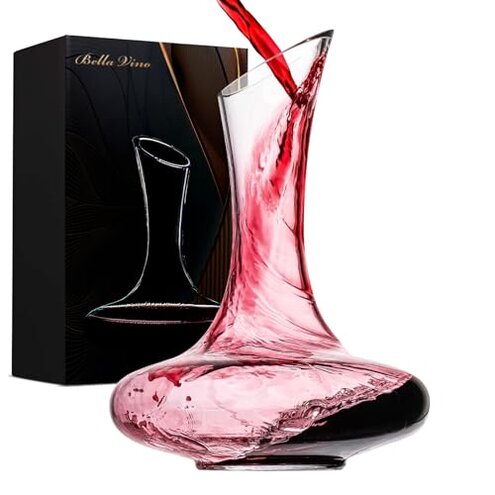
Product evaluated: Large Elegant Red Wine Decanter Aerator Pourer - 100% Hand Blown Lead-Free Clear Crystal Glass - Wine Carafe Bottle, Wine Lovers Accessory Gift - 1600ml.
Related Videos For You
POV-Decanting Unfiltered 2001 Mondavi Chardonnay #wine #fyp #pov #trending #viralvideo #explore #wow
The Domestic Geek: How to Clean A Decanter
Data basis: This report draws on dozens of buyer comments collected from written feedback and photo/video demonstrations from the past 12 months. Most input came from longer written experiences, with shorter clip-based feedback used to confirm what happens during pouring, cleaning, and everyday handling.
| Buyer outcome | This decanter | Typical mid-range alternative |
|---|---|---|
| Pour control | Less forgiving when serving, with drips appearing more often during normal pours. | Usually steadier if the lip is wider or better shaped. |
| Cleaning effort | Higher upkeep because the shape can add extra drying and reach problems after use. | Moderate effort with easier brush access and faster air drying. |
| Handling safety | Higher-than-normal risk during washing and storage because the glass form is less forgiving. | Typically safer for routine sink cleaning and cabinet moves. |
| Display vs daily use | Looks strong as tableware, but practical use complaints appear repeatedly. | Usually balances presentation and routine handling better. |
| Regret trigger | Buying for elegance but getting drip, cleanup, or breakage stress instead. | Buying for function and getting fewer surprises in daily use. |
Do you want a decanter that pours cleanly every time?
Primary issue: One of the most common complaints is dripping while pouring. The regret usually hits at the exact moment you serve guests and see wine run down the outside.
Pattern: This appears repeatedly in normal use, not just edge cases. For a product meant to improve serving, that feels more disruptive than expected for this category.
- When it happens: The problem shows up during serving, especially when the decanter is close to full.
- Frequency tier: This is a primary complaint, and it appears more often than minor cosmetic gripes.
- What buyers notice: Wine can trail down the lip, which means wiping the outside before setting it down.
- Why it stings: A decanter should make pouring feel smoother than a bottle, not more stressful.
- Typical workaround: Buyers often try a slower pour, but that adds attention and still does not fully solve it.
- Hidden cost: You may need a cloth nearby during meals, which defeats the easy-hosting appeal.
- Fixability: This is partly manageable, but it is tied to shape, so it does not fully go away.
Illustrative: “Looks classy, but I still had to wipe drips after each pour.”
Pattern level: This reflects a primary pattern.
Are you expecting easy cleanup after one bottle?
Secondary issue: Cleanup friction is a persistent complaint, especially after red wine use. The frustration appears after the nice part is over, when rinsing and drying take more effort than expected.
- When it happens: The problem shows up right after use, especially if wine sits before cleaning.
- Frequency tier: This is a secondary complaint, less frequent than dripping but still commonly reported.
- What causes regret: The shape can make inside reach awkward for hands, towels, or basic tools.
- Why it feels worse: Most mid-range decanters still need care, but this one seems less forgiving for quick cleanup.
- Drying problem: Water can linger longer than expected, which adds waiting time before storage.
- Hidden requirement: Some buyers end up needing a special brush or drying method for routine use.
- Practical impact: If you use it often, the extra steps can make you reach for it less over time.
Illustrative: “Rinsing was easy enough, but getting it fully dry was annoying.”
Pattern level: This reflects a secondary pattern.
Will you be upset if elegant glass feels risky in daily handling?
Primary concern: Fragility is among the most serious complaints because the downside is immediate and expensive. The bad moment usually happens during washing, drying, or moving it in and out of storage.
Pattern: Breakage is not universal, but it is a persistent concern across handling-related feedback. That matters because glassware in this category is expected to be delicate, yet buyers still describe this as more stressful than normal.
Category contrast: A typical mid-range decanter is not rugged, but it should feel usable with care. Here, some buyers felt they had to baby it more than expected for regular home use.
- When it happens: Risk rises during sink cleaning, hand drying, and tight cabinet storage.
- Severity cue: This is less frequent than drip complaints, but more frustrating when it occurs.
- Early sign: Buyers often become extra cautious after the first wash because of the thin feel.
- Impact: One slip can mean total loss, not a minor defect.
- Why it feels worse: The size adds awkward handling, which can increase stress compared with simpler shapes.
Illustrative: “Beautiful on the table, but I was nervous every time I washed it.”
Pattern level: This reflects a primary pattern.
Do you want something decorative, or something you will use often?
- Core trade-off: A repeated theme is style over convenience, which becomes obvious after the first few uses.
- When it shows: The mismatch appears during everyday hosting, not while it sits empty on display.
- Frequency tier: This is an edge-case regret for occasional users, but a stronger issue for frequent wine drinkers.
- What buyers notice: The decanter can feel better for presentation than for low-effort routine use.
- Category contrast: Reasonable for this category is attractive design with manageable upkeep, but this can ask for more attention than typical.
- Long-term effect: Some buyers appear to use it less often because setup, pouring, and cleanup feel fussy together.
Illustrative: “Nice centerpiece, not my favorite piece for actual weeknight pouring.”
Pattern level: This reflects an edge-case pattern.
Who should avoid this
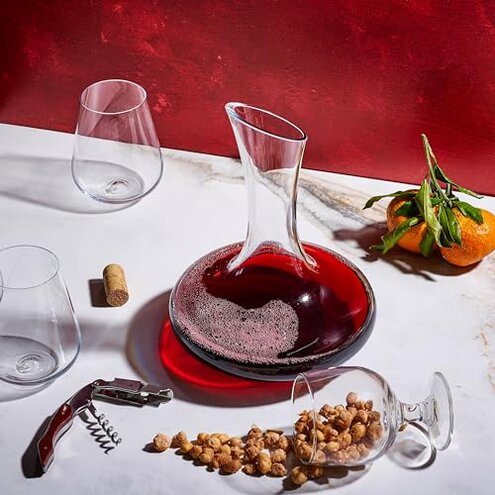
- Skip it if you want clean pours without keeping a towel nearby.
- Avoid it if you plan frequent use, because cleanup effort appears higher than many mid-range alternatives.
- Pass if you dislike fragile glassware that feels stressful to wash and store.
- Not ideal for small kitchens where tight storage makes careful handling harder.
Who this is actually good for

- Fine choice for buyers who want a table centerpiece and will use it only occasionally.
- Works better for patient hosts who already accept slow pouring and careful cleanup.
- Good fit if you hand-wash delicate items comfortably and do not mind extra care steps.
- More suitable for someone prioritizing appearance over daily convenience.
Expectation vs reality
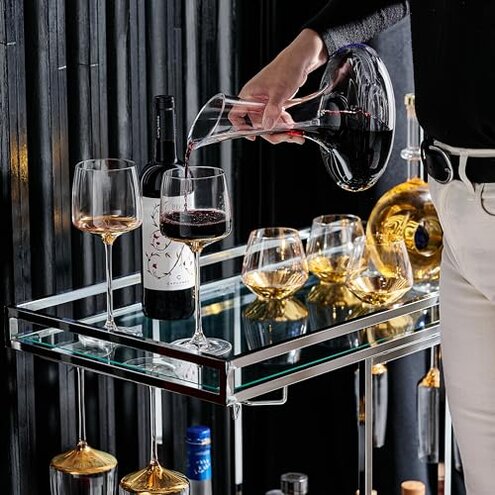
Expectation: A decanter should make serving feel cleaner than pouring from a bottle.
Reality: A recurring complaint is drip-prone pouring, which adds wiping during service.
Expectation: Reasonable for this category is careful but manageable cleaning.
Reality: The shape can create more drying hassle than expected, especially after regular use.
Expectation: Elegant glass should still feel usable with normal caution.
Reality: Some handling feedback suggests a higher stress level than typical mid-range options.
Safer alternatives
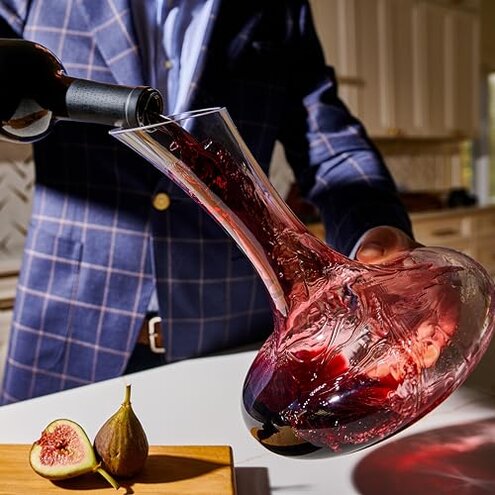
- Choose a wider lip if your main concern is dripping during serving.
- Pick a simpler shape if you want easier brush access and faster drying.
- Look for thicker-feeling glass if sink-side fragility is your biggest worry.
- Prefer a smaller everyday decanter if you usually serve one or two glasses and want less awkward handling.
- Check care videos first if you want to avoid hidden needs like a special cleaning brush.
The bottom line
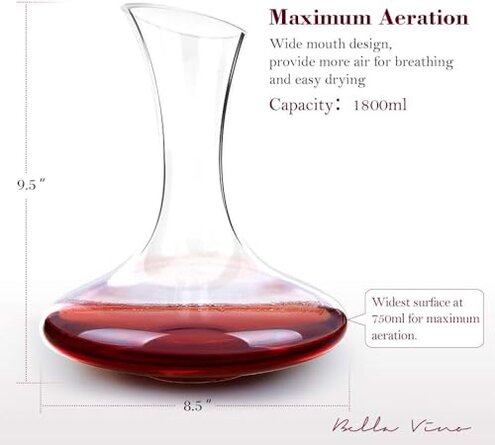
Main regret trigger: Buyers are often drawn in by the elegant look, then run into drip, cleanup, and handling stress during real use. Those risks feel higher than normal because this category should add ceremony without adding so much extra attention.
Verdict: If you want a decanter for frequent practical use, this is easier to skip. It makes more sense only if you are comfortable trading convenience for appearance.
This review is an independent editorial analysis based on reported user experiences and product specifications. NegReview.com does not sell products.