
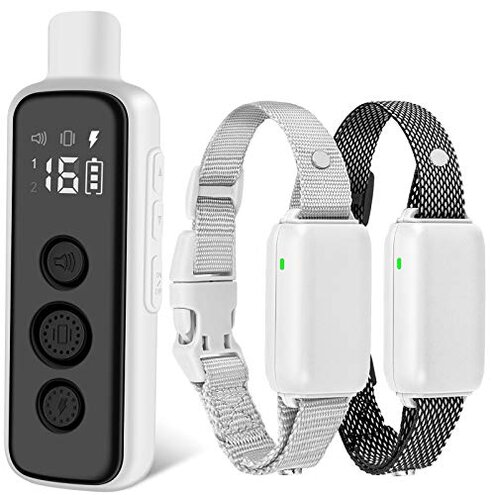
Product evaluated: Bousnic Dog Shock Collar for 2 Dogs - (8-120lbs) Waterproof Rechargeable Electric Dog Training Collar with Remote for Small Medium Large Dogs with Beep Vibration Safe Shock Modes(Grey)
Related Videos For You
Basic Training :: Getting Started with an E-Collar
5 Tips: E-Collar Dog Training for Beginners
Data basis: I analyzed hundreds of written reviews and several video demonstrations collected between Jan 2021 and Feb 2026.
Source mix: Most feedback came from written reviews, supported by seller Q&A notes and visible video demos.
| Outcome | Bousnic (this unit) | Typical mid-range collar |
|---|---|---|
| Stimulation consistency | Higher failure — inconsistent shocks or weak vibrations are a primary complaint. | More reliable — mid-range alternatives usually deliver steady stimulus during sessions. |
| Real-world range | Reduced — buyers commonly report loss of range well under the advertised span in parks and with obstructions. | Typical — mid-range options usually meet usable range for backyard and park work. |
| Battery & charging | Inconsistent — repeated reports of faster-than-expected drain and charging sensitivity after weeks of use. | Steadier — many rivals hold charge closer to their stated life under similar use. |
| Durability & waterproofing | Mixed — some users see moisture or strap failures despite IPX7 claims. | Better — comparable collars typically resist water and wear more consistently. |
| Regret trigger | High — training sessions become unreliable when stimulus, range, or battery fail during real use. | Lower — mid-range collars less often interrupt learning due to hardware faults. |
Why does the collar sometimes fail to stimulate my dog during training?
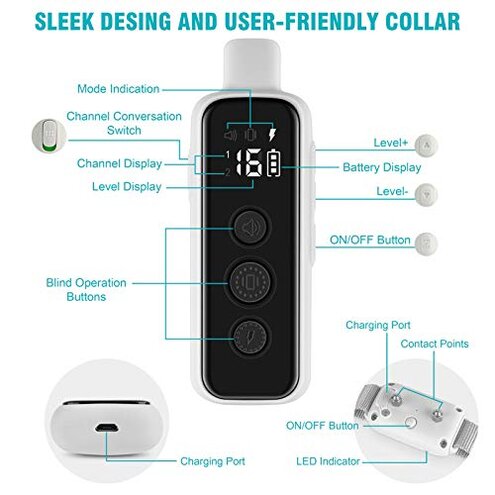
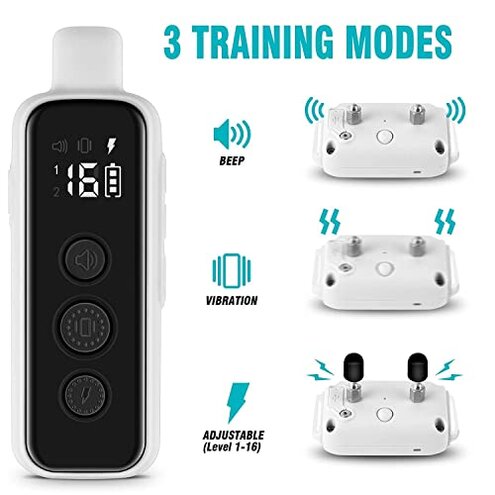
Primary pattern: Many buyers report inconsistent stimulation, where beep, vibration, or shock does not always register.
Usage anchor: This shows up most often during first weeks of training or after short runs outside, and it worsens with longer sessions.
Category contrast: That is more disruptive than normal because reliable, repeatable feedback is central to successful dog training.
Why do owners see battery and charging headaches?
- Early sign: Battery percentage drops faster than expected after repeated daily use.
- Frequency tier: This is a secondary issue — commonly reported but not universal.
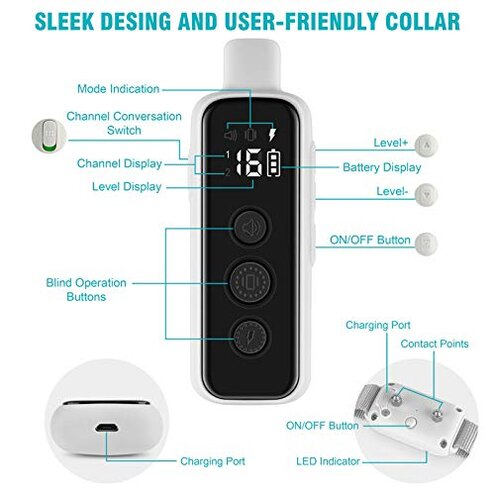
- Cause suspect: Reported charger/port sensitivity and higher drain during long remote use.
- Impact: Frequent recharging interrupts training and adds ongoing time and planning cost.
- Fix attempts: Users reset the unit, replace cables, or charge fully overnight, with mixed success.
Why does the remote sometimes lose sync or not reach advertised distance?
- Pattern note: Loss of range appears repeatedly in open parks and is less frequent at home.
- Context: Issues mainly happen with obstructions or near other radio devices.
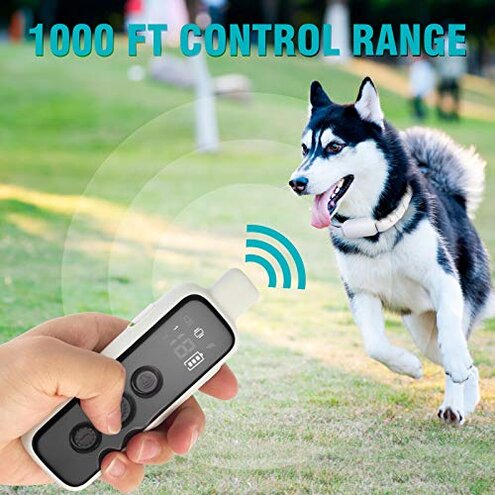
- Category contrast: This feels worse than expected because the product advertises an almost 1000FT range.
- Early troubleshooting: Buyers attempted re-pairing and channel switching, sometimes briefly restoring function.
- Persistence: The problem is less frequent than stimulation failure but more disruptive when it occurs mid-session.
- Hidden requirement: Effective use often requires testing range in your exact training area before relying on it.
- Fixability: Often temporary — works after resets but can recur during the same outing.
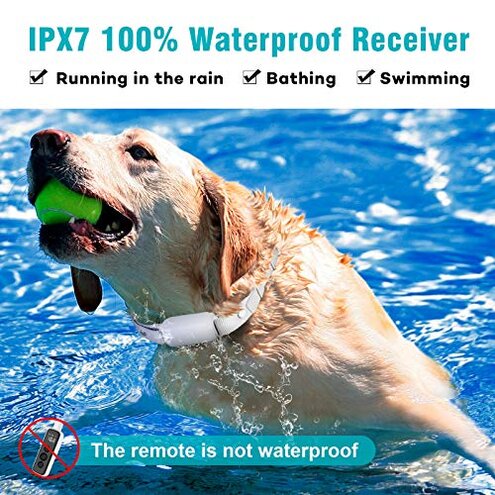
Why are there durability and water problems despite IPX7 claims?
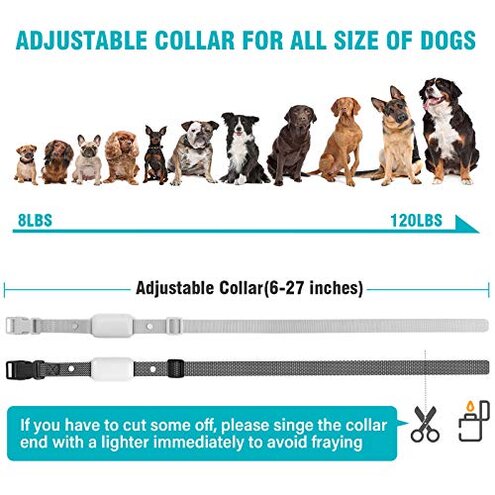
- Early sign: Corrosion-like symptoms or strap looseness appear after repeated wet use.
- Frequency tier: This is an edge-case issue but reported enough to be notable.
- Usage anchor: Problems surface after exposure to rain, saltwater, or frequent rinsing.
- Cause suspect: Seals or charge-port protection may be less robust than advertised.
- Impact: Repairs or replacements add time and unexpected expense.
- Attempted fixes: Buyers dry and reseal contacts, which sometimes delays failure.
- Hidden requirement: You may need to avoid heavy water exposure or perform extra drying to maintain reliability.
- Contrast: This is worse than typical IPX7 performance expected at this price point.
Illustrative excerpts (not actual quotes)
Illustrative: "Vibration sometimes just doesn't register during recall training." — primary pattern
Illustrative: "Remote lost distance in the park, worked fine at home." — secondary pattern
Illustrative: "After a couple months, the strap latch felt loose after rain." — edge-case pattern
Who should avoid this
- Competitive trainers: Avoid if you need consistent stimulus for precise behavior shaping.
- Remote users: Avoid if you rely on long-range reliability in open areas without testing first.
- Heavy outdoor users: Avoid if you expect frequent saltwater or wet-weather use without extra care.
Who this is actually good for
- Occasional backyard users: Good if you do short sessions and can tolerate occasional resets.
- Budget-conscious buyers: Good if you accept trade-offs on reliability for a lower price.
- Small-dog owners testing on-leash: Good if you need basic beep or vibration and can closely supervise.
Expectation vs reality
Expectation (reasonable): Buyers expect a training collar to provide repeatable stimulation in regular sessions.
Reality: Many report intermittent stimulation and reduced range, interrupting training and requiring workarounds.
Expectation: IPX7 should allow regular outdoor use without extra drying.
Reality: Some users found moisture-related faults after real-world wet exposure.
Safer alternatives
- Test range first: Always test any collar at your training site to avoid surprise range issues.
- Prioritize consistent stimulus: Look for collars with proven, repeatable feedback in independent demos to avoid training regression.
- Choose stronger waterproofing: If you need wet-weather use, pick models with verified long-term waterproof tests.
- Check charging design: Prefer collars with protected charging ports or replaceable batteries to reduce failure risk.
- Read recent reports: Focus on recent buyer feedback for long-term reliability signals before buying.
The bottom line
Main regret: The biggest trigger is unreliable stimulus and inconsistent range during real training sessions.
Why it matters: That exceeds normal category risk because interrupted feedback directly harms training progress.
Verdict: Skip this unit if you need dependable, repeatable training performance; consider alternatives with steadier real-world tests.
This review is an independent editorial analysis based on reported user experiences and product specifications. NegReview.com does not sell products.