
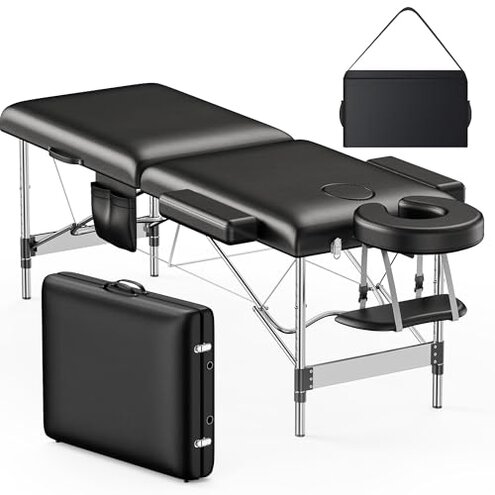
Product evaluated: Brelley Massage Table Portable, 2-Fold Lash Bed with Side Pocket, Adjustable Height, Sturdy Aluminum Frame, Esthetician Spa Facial Tattoo Bed with Face Cradle & Carrying Bag, Black
Related Videos For You
Cheap $75 Portable Massage Table by BestMassage | Is it Worth It? (How to Assemble & Pack Up)
How To Set-Up and Pack Down Your Portable Massage Table
Data gathered from dozens of written reviews and video demonstrations, collected across 2023–2025, forms the basis for this report. Sources were mostly buyer-written reviews, supported by a smaller set of hands-on videos and Q&A posts. Timing emphasizes first-use setup and first months of regular use.
| Outcome | Brelley (this listing) | Typical mid-range table |
|---|---|---|
| Stability during use | Wobble risk commonly reported, worse on uneven floors. | Steady most mid-range models feel stable for normal sessions. |
| Comfort / padding | Thin pad often feels firm for long sessions. | Thicker foam typical mid-range tables are more comfortable. |
| Portability | Lightweight and easy to carry but hinges and case show wear faster. | Balanced mid-range alternatives sacrifice a little weight for durability. |
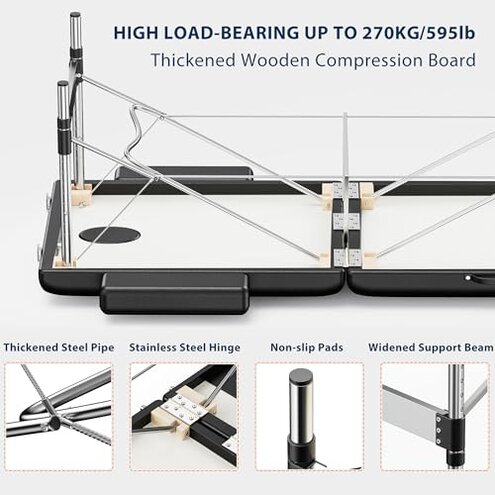
| Setup & maintenance | Extra tightening and tool checks needed after early use. | Lower maintenance mid-range tables usually need less frequent adjustments. |
| Regret trigger | Unstable sessions during longer treatments are more likely and more disruptive. | Minor stability issues are less frequent and less disruptive. |
Is the table wobbling during sessions?
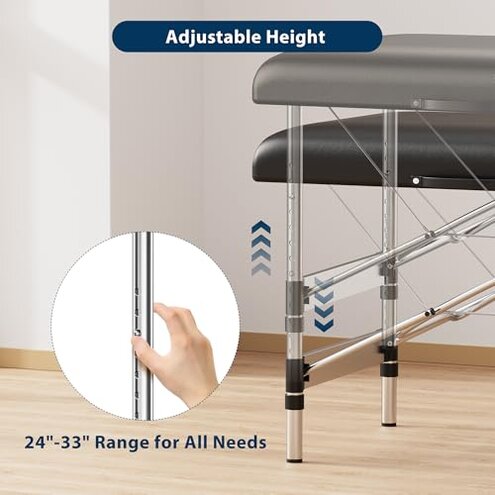
Regret often appears when therapists start the first client session and notice frame movement under weight shifts. Pattern is recurring across buyers and appears repeatedly during weeks of use.
When it shows up: at first setup and worsens during long sessions or on slightly uneven floors. Category-contrast this is more disruptive than typical mid-range tables, which usually remain steady without frequent readjustment.
Does the padding feel too thin for long treatments?
- Early sign firm surface felt within first 10–20 minutes of a session.
- Frequency commonly reported, especially by heavier users or longer treatments.
- Cause thin upholstery and lower foam density compared to mid-range options.
- Impact client discomfort and need for extra bolsters or layers.
- Fix attempts buyers add mattress toppers or thick towels to compensate.
Will hardware loosen or need tools to maintain?
- Pattern persistent reports of loose screws and fasteners after initial setup.
- Usage anchor appears after first few uses and after transporting the folded table.
- Hidden requirement buyers must have tools and time to re-tighten bolts regularly.
- Cause lighter frame fittings shift with repeated folding and carrying.
- Impact sessions interrupted for tightening or small repairs mid-day.
- Fixability mostly fixable but requires ongoing checks and occasional part replacement.
- Category contrast more maintenance than most mid-range portable tables, which use heavier fittings.
Are the carrying case and hinges fragile?
- Early sign small tears or frayed seams reported within weeks of frequent transport.
- Frequency less frequent than wobble, but persistent among regular mobile therapists.
- Cause light-weight case materials and stress at hinge points during folding.
- Impact reduced portability—buyers add protective covers or replace the bag.
- Attempts include reinforcing seams and avoiding rough handling.
- Hidden requirement you must plan protective storage and gentler transport habits.
- Fixability partial fixes exist, but they add time and cost over replacement.
- Category contrast durability here is below typical mid-range expectations for frequent travel use.
Illustrative excerpts
Illustrative: "Surface felt firm after fifteen minutes, needed extra padding immediately." — primary pattern
Illustrative: "Screws loosened after a week of folding and carrying." — primary pattern
Illustrative: "Carrying bag seam started fraying after a month of mobile work." — secondary pattern
Illustrative: "Stable on carpet but wobbles on tile unless legs tightened." — edge-case pattern
Who should avoid this
- Mobile therapists who transport daily and need rugged hinges and case durability.
- High-volume clinics running back-to-back long sessions without time for mid-day fixes.
- Clients needing deep comfort for long treatments where thin padding causes complaints.
Who this is actually good for
- Occasional home users who need an affordable, lightweight table and can add padding.
- Light-use estheticians with short sessions who can perform quick tightening checks.
- Budget-conscious buyers who accept extra upkeep to save upfront cost.
Expectation vs reality
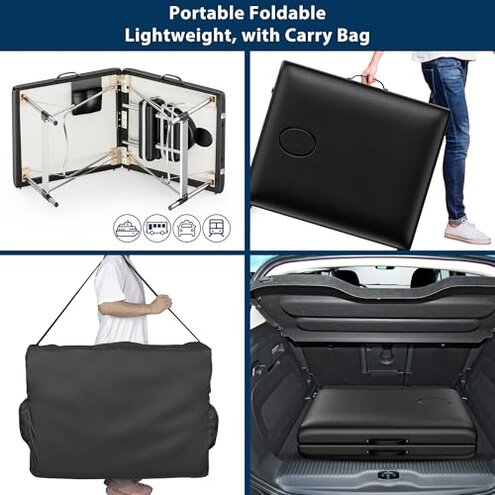
Expectation reasonable for this category: many buyers expect a portable table to be light and foldable. Reality this model trades weight for stability and durability more than most mid-range options.
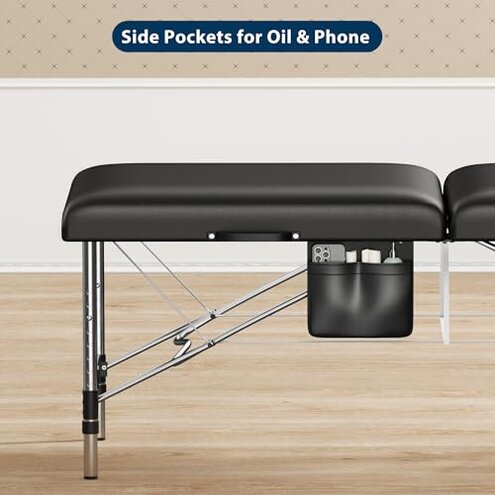
Expectation reasonable: built-in face cradle and pockets add convenience. Reality pockets and fittings may wear sooner, requiring replacements or reinforcement.
Safer alternatives
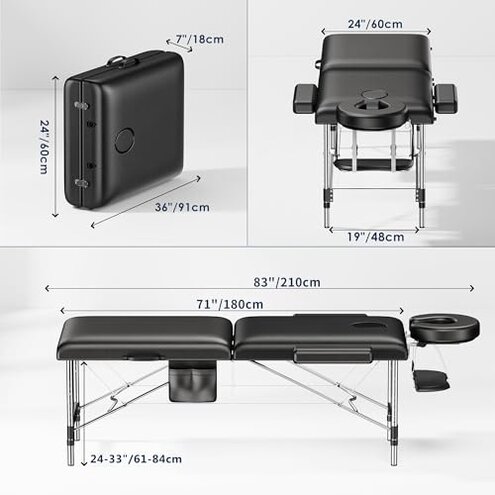
- Choose heavier-frame models if you prioritize session stability over minimal weight.
- Look for thicker padding (higher density foam) when long client comfort is essential.
- Prefer reinforced cases and stronger hinge designs for daily transporters.
- Budget for maintenance if you buy this model—keep basic tools and spare screws on hand.
The bottom line
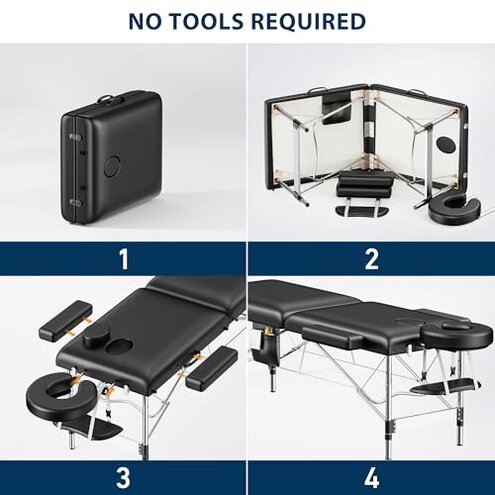
Main trigger the primary regret is stability and early hardware loosening during normal use. Risk this exceeds typical category tolerance because it interrupts sessions and requires extra upkeep. Verdict avoid if you need rugged daily use; consider only for light, occasional work.
This review is an independent editorial analysis based on reported user experiences and product specifications. NegReview.com does not sell products.