
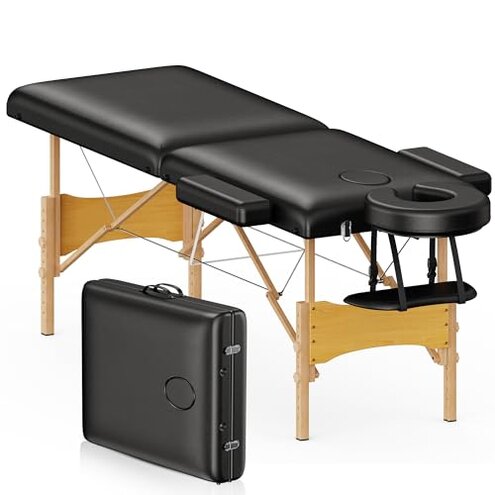
Product evaluated: Brelley Massage Table Portable Wooden Lash Bed 24" Wide Adjustable Height 2-Fold Spa Table Foldable Tattoo Bed (Black)
Related Videos For You
Cheap $75 Portable Massage Table by BestMassage | Is it Worth It? (How to Assemble & Pack Up)
Portable Massage Table Maintenance
Data basis: I analyzed dozens of written buyer reviews and several video demonstrations collected between 2023 and January 2026. Most feedback came from written reviews, supported by short videos and Q&A reports. The sample skews toward recent buyers describing first-use and early months of ownership.
| Outcome | This product | Typical mid-range |
|---|---|---|
| Stability | Wobbly frame under side pressure; frame loosens after repeated use. | Stable frame with stronger bracing and less mid-use loosening. |
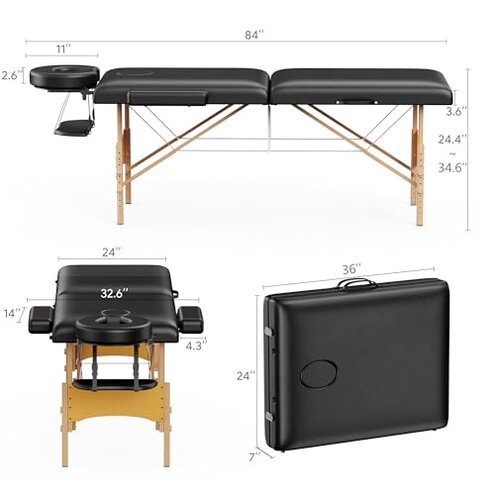
| Comfort | Thin padding and narrow 24" width feels tight for many clients. | Thicker padding and wider surface are common in mid-range tables. |
| Setup & hardware | Loose hardware or fiddly adjustments reported at first setup and over time. | Smoother setup with pre-tightened fittings or clearer adjustment stops. |
| Portability | Lightweight and compact but sacrifices stiffness and long-session support. | Balanced portability with slightly heavier but sturdier cores. |
| Regret trigger | Frame instability is more disruptive than expected for a paid treatment setting. | Lower regret as mid-range tables trade a bit more weight for reliable steadiness. |
Why does the table feel shaky during use?
Immediate wobble: Many buyers note the table rocks or creaks when a client moves or when pressure is applied near the edges.
Pattern observation: This is a recurring complaint, seen mostly within first weeks of use and after multiple sessions.
Category contrast: Wobble here feels worse than normal because similar mid-range tables typically stay firm for longer under identical handling.
Is the comfort and size acceptable for client sessions?
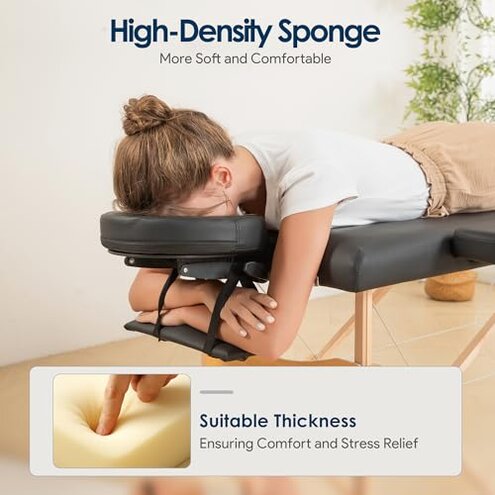
- Padding concern Thin foam makes long massages less comfortable and shows wear faster.
- Width issue 24" surface feels narrow, making positioning clients harder than wider mid-range units.
- Edge firmness Clients report feeling the frame under heavier pressure near edges.
- Session impact Comfort problems commonly appear during long treatments and reduce perceived quality.
Will assembly and adjustments be headache-free?
- Hardware fit Screws and knobs may arrive loose and need tightening at first setup.
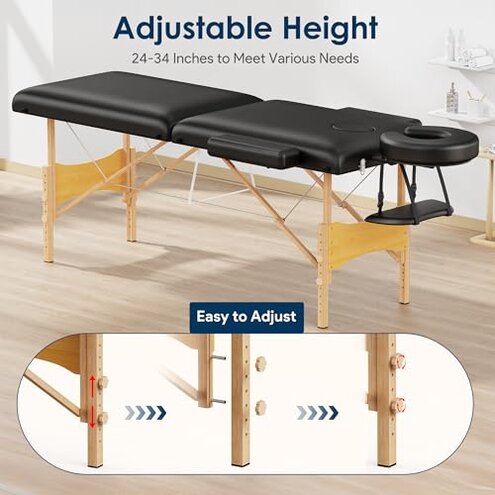
- Adjustment friction Height changes can feel imprecise and sometimes slip under load.
- Tool expectation Although marketed as tool-free, buyers often use tools to secure fasteners for safety.
- Maintenance need Frequent retightening appears during regular daily or weekly professional use.
- Repair effort Users report spending time fixing rattles instead of treating clients.
- Replacement parts Finding matching hardware is more effort than with mainstream brands.
How durable is the build for regular professional use?
- Finish wear Surface scuffs and faux-leather cracking appear with repeated use.
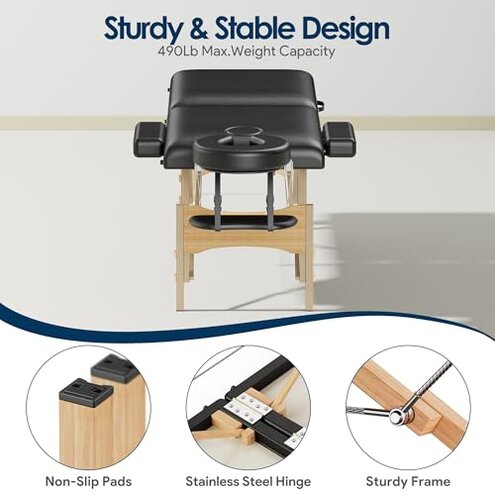
- Leg stress Leg joints can loosen after daily handling, increasing wobble over months.
- Hidden requirement Regular tightening and occasional part swaps are needed to keep it serviceable.
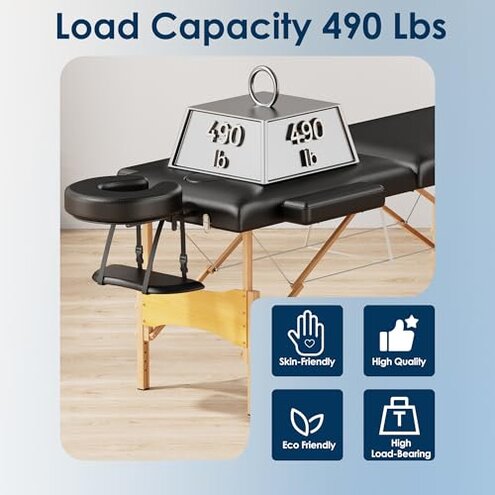
- Load claim The listed capacity may hold statically but stress in real sessions exposes weak points.
- Service expectation This table requires more upkeep than most mid-range alternatives to stay reliable.
- Longevity risk Wear accumulates faster under frequent commercial use versus home use.
- Repair cost Upkeep time and small fixes add to total ownership cost.
Illustrative excerpts (not real quotes)
"Felt a wobble when my client shifted position mid-massage." — primary pattern: shows the main stability problem.
"Padding started to flatten after a few months of weekly use." — secondary pattern: comfort declines with repeated sessions.
"Needed tools to tighten knobs the first week." — edge-case pattern: setup friction seen frequently enough to matter.
Who should avoid this
- Professional therapists who run daily back-to-back sessions and need a rock-solid table.
- Treatment rooms where client comfort and image depend on thicker padding and wider beds.
- Buyers wanting tool-free upkeep since regular tightening and minor repairs are likely.
Who this is actually good for
- Occasional home users who perform infrequent sessions and can tolerate thinner padding.
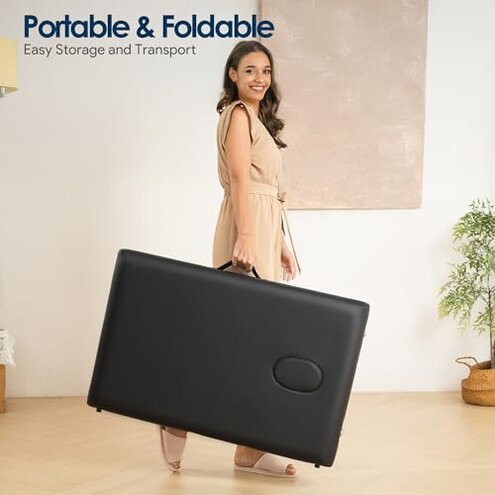
- Mobile amateurs who prioritize light weight and compact storage over long-session durability.
- Budget-conscious buyers willing to perform basic maintenance to keep costs low.
Expectation vs reality
- Expectation (reasonable) A portable table should balance weight and stability.
- Reality This unit prioritizes lightness, causing more wobble than is typical in mid-range options.
- Expectation Tool-free setup is straightforward for quick use.
- Reality Many buyers need tools and repeated tightening to maintain safe use.
Safer alternatives
- Choose a heavier core Look for tables that trade a few pounds for reinforced bracing to fix wobble.
- Prioritize padding thickness Seek models with labeled foam density for longer comfort during long sessions.
- Check hardware support Prefer sellers that include extra fasteners and clear replacement parts options.
- Read warranty terms Favor products with explicit commercial-use warranties if you plan daily use.
The bottom line
Main regret: Frame instability and thin padding are the core issues that reduce session quality.
Why it matters: These faults are more disruptive than typical portable tables, especially for professional users.
Verdict: Avoid for frequent commercial use; consider only for light home use or when you accept extra maintenance.
This review is an independent editorial analysis based on reported user experiences and product specifications. NegReview.com does not sell products.