
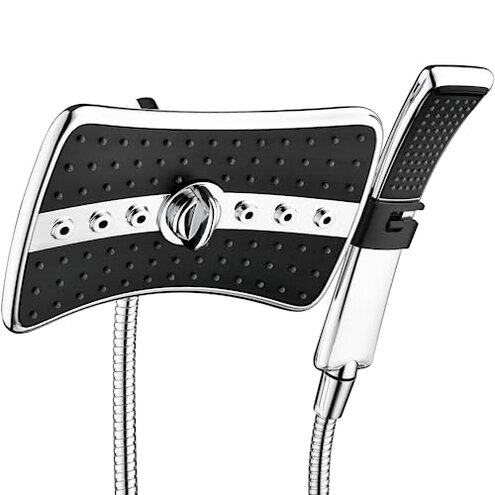
Product evaluated: BRIGHT SHOWERS High Pressure Dual Shower Head Combo, Handheld Showerhead Rainfall Shower Head Combo with Black Face, 60 Inch Long Stainless Steel Shower Hose, Chrome
Related Videos For You
Part (1) How to add second valve to shower or dual sink - installing dual shower heads
EASIEST Way To Clean Your Shower Head💥(UNBELIEVABLE RESULT)!!
Data basis: I reviewed dozens of written buyer reports and several video demonstrations collected Jan 2022–Feb 2026. Most feedback came from written reviews, supported by video troubleshooting. The summary focuses on repeated user patterns rather than single reports.
| Outcome | This product | Typical mid-range |
|---|---|---|
| Install ease | Tool-free claim usually works first install but often needs extra tightening or tape, per multiple reports. | Mid-range baseline generally installs without extra parts or repeated tightening. |
| Leak risk | Higher-than-typical leaks at the diverter and threaded joints are commonly reported during first days or weeks. | Mid-range baseline usually has fewer early connection leaks and more reliable seals. |
| Water pressure | Variable flow some buyers see strong spray but others report uneven or weak patterns under normal home pressure. | Mid-range baseline tends to deliver consistent advertised pressure more often. |
| Durability over time | Wear concerns finish chipping and plastic parts failing appear repeatedly after months of use. | Mid-range baseline typically shows slower cosmetic wear and fewer part failures in similar timeframes. |
| Regret trigger | Diverter + leaks combined create the most buyer regret because they stop the dual-head function or waste water. | Mid-range baseline regret is usually limited to minor spray inconsistency, not combined hardware failure. |
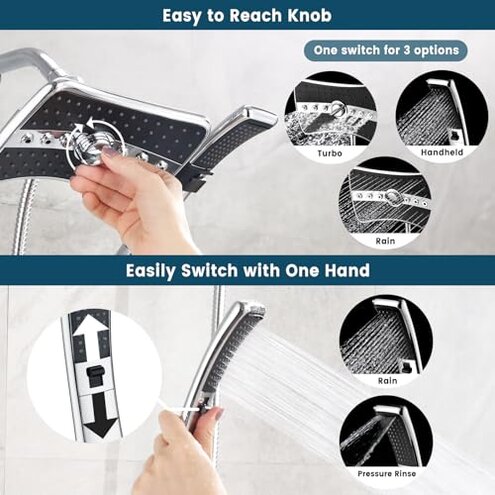
Why does the front-facing switch fail or leak so often?
Regret moment: The diverter can stick, leak, or stop routing water to the handheld soon after setup, which ruins the dual-head use. This problem is among the most common complaints across feedback.
Usage anchor: Failure appears at first use or within weeks, and it worsens with frequent switching or higher water temperature.
Category contrast: Dual-head diverters on mid-range models are usually more durable, so this one is more disruptive than expected for its price tier.
Why am I seeing leaks at threaded joints and the hose?
- Early signs: Leaks are commonly reported right after installation and after first few uses.
- Frequency tier: This is a primary issue for many buyers, appearing repeatedly across written and video reports.
- Probable cause: Thread seals or pre-assembled washers sometimes fail, needing extra tape or swapping parts to stop leaks.
- Impact: Persistent leaks lead to water waste and may require reinstallation or replacement parts within days.
Why does the chrome/black finish or plastic break down?
- Early signs: Finish flaking or plastic cracking often shows after months of regular use.
- Occurrence tier: This is a secondary but recurring pattern across months, more common than some buyers expect.
- When it worsens: Problems increase in hard-water areas and with daily handling of the handheld head.
- Visible impact: Cosmetic wear and small cracks reduce perceived quality and can lead to water leakage.
- Attempts to fix: Buyers commonly replace washers or the handheld part; fixes are often temporary.
- Hidden requirement: Expect to purchase spare washers or a replacement handheld if you want long-term use.
- Category contrast: This model shows faster cosmetic and part wear than most mid-range combos, making repairs more frequent.
Why is water pressure inconsistent or weaker than expected?
- Common report: Some users see strong spray while others get weak, uneven streams under normal home pressure.
- When it appears: Inconsistent flow shows up during daily use and can change after cleaning the face or switching modes.
- Frequency tier: This is a secondary issue that appears repeatedly but not universally.
- Cause clues: Diverter wear, partial blockage, or inconsistent internal plumbing tolerances are suspected by many buyers.
- Impact: Weak spray makes rinsing slower and reduces the benefit of a dual-head design.
- Fixability: Flushing, removing flow restrictors, or swapping the head can help, but these add time and tools contrary to the tool-free claim.
Illustrative excerpts
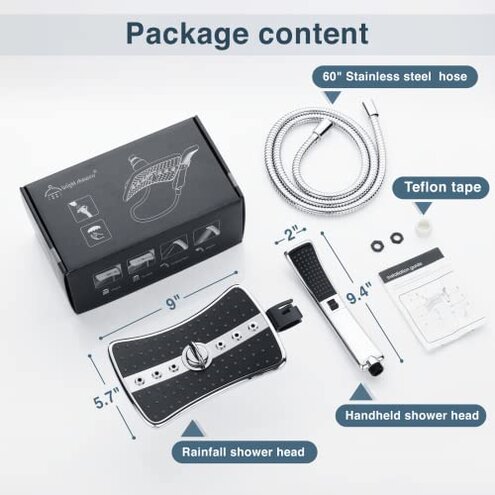
Excerpt (illustrative): "Front switch started leaking after three uses, handheld stopped working." — primary
Excerpt (illustrative): "Had to rewrap with tape; still a slow drip under the hose nut." — secondary
Excerpt (illustrative): "Finish peeled at corners after six months of normal showers." — edge-case
Who should avoid this
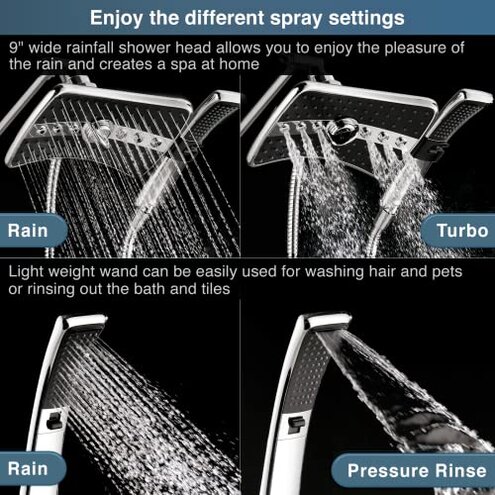
- Frequent switchers: Avoid if you switch between heads daily, because the diverter failure risk is higher than typical.
- Low-tolerance users: Avoid if you need reliable leak-free performance without extra parts or rework.
- Aesthetics-first buyers: Avoid if you expect lasting cosmetic finish; wear appears sooner than many mid-range options.
Who this is actually good for
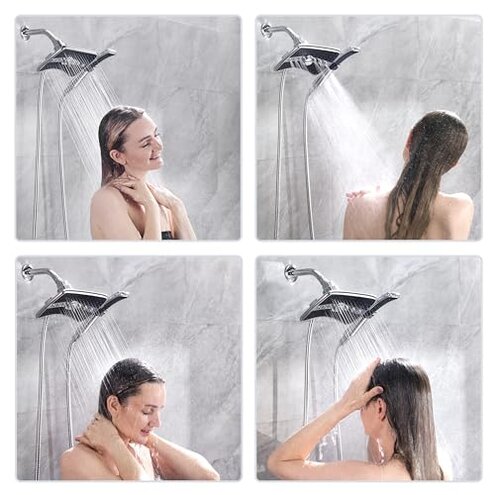
- Budget renovators: Good for shoppers who value initial low cost and can accept re-tightening or small fixes.
- Infrequent users: Works for occasional use where long-term durability is less important and leaks would be noticed quickly.
- DIY fixers: Suitable if you are willing to replace washers, add tape, or tweak the diverter to maintain performance.
Expectation vs reality

- Expectation: Tool-free install should be fast and final. Reality: Many buyers needed extra tape or re-tightening within days.
- Expectation: Advertised high-pressure spray should be consistent. Reality: Flow is uneven for a noticeable share of users.
- Expectation: Finish will remain intact for years. Reality: Cosmetic wear and small cracks appear sooner than typical mid-range alternatives.
Safer alternatives
- Choose metal diverters: Look for models with metal diverters and positive reviews for long-term diverter reliability to avoid the primary failure.
- Check sealed fittings: Favor products advertised with reinforced thread seals or extra factory tape to reduce early leak risk.
- Prioritize serviceable heads: Pick combos where the handheld and faceplate are user-replaceable without buying a whole unit to reduce repair cost.
- Read real-use tests: Seek reviews mentioning months of use, not just first-install impressions, to catch durability signals early.
The bottom line
Main regret: The most common buyer regret is the diverter plus connection leaks, which prevent reliable dual-head use.
Why worse: These failures appear early and require parts or rework, which is more disruptive than the usual mid-range trade-offs.
Verdict: Avoid this if you need dependable, low-maintenance dual shower performance; consider sturdier mid-range alternatives instead.
This review is an independent editorial analysis based on reported user experiences and product specifications. NegReview.com does not sell products.