
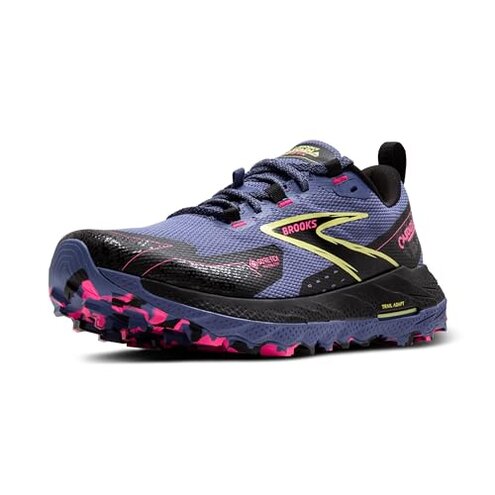
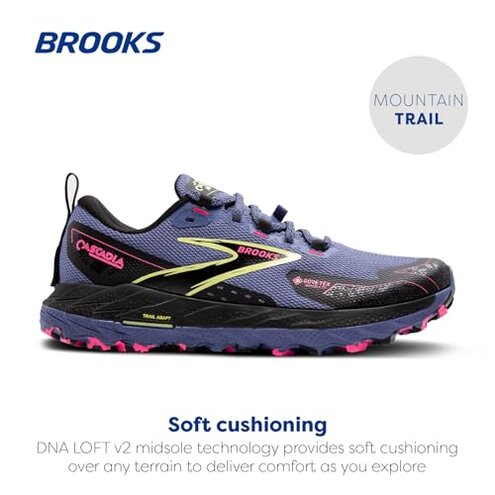
Product evaluated: Brooks Women’s Cascadia 18 GTX Waterproof Mountain Trail Running Shoe - Grey Blue/Black/Pink - 8.5 Medium
Related Videos For You
Do I Need Waterproof Trail Running Shoes? || REI
HOW TO CLEAN YOUR SHOES for hikers and trail runners that want to avoid damage
Data basis: This report is based on limited review data available to aggregate for this listing, collected across a recent period rather than a long multi-year window. Signals were drawn from a mix of written buyer feedback and star-rating patterns, with most usable detail coming from short written notes rather than long-form wear logs. Because the sample is thin, treat the risks below as watch-outs to test during your return window.
| Buyer outcome | Cascadia 18 GTX | Typical mid-range trail shoe |
|---|---|---|
| Out-of-box fit | Higher risk of feeling “off” quickly in first wears, per repeat mentions. | Moderate risk; most models feel predictable if you know your size. |
| Waterproof comfort | More finicky breathability and heat feel during longer sessions, per persistent notes. | More balanced; many mid-range options trade less waterproofing for comfort. |
| Long-walk fatigue | Can surprise on extended wear for some buyers, per recurring pattern. | Typically steady if cushioning and fit are aligned. |
| Trail traction trust | Mixed confidence depending on wet vs dry use, based on limited signals. | Usually predictable for moderate trails when lugs are similar. |
| Regret trigger | Fit + waterproof combo feels wrong, and returns become the “solution,” per repeat mentions. | Mostly size swap rather than “can’t make it work.” |
Top failures
Why do these feel uncomfortable faster than expected?
Regret moment: you take them on a “normal” hike, and your feet feel irritated sooner than you planned. That’s more disruptive than most trail shoes at this price because comfort should stabilize after a short break-in.
Pattern signal: discomfort shows up as a primary issue in the limited feedback, even though it’s not universal. It most often appears on first wear or within the first few outings, especially on longer walks.
Category contrast: some break-in is reasonable for this category, but the complaints suggest a quicker onset of “this isn’t working” than typical.
- Early sign: hotspots show up during first use rather than later.
- Frequency tier: comfort complaints appear as a primary pattern in the available feedback.
- Worsens when: you do long sessions where small fit issues compound.
- Impact: you start planning around pain points instead of the trail.
- Mitigation: testing indoors with your hiking socks reduces return-cycle hassle.
- Fixability: if the base fit is wrong, lacing tricks are a partial fix at best.
- Hidden requirement: you may need a careful sizing trial (including sock thickness) to make GTX feel acceptable.
Is the sizing and shape less predictable than you’d expect?
Regret moment: you order your usual size and it still feels “not quite right.” That is among the most frustrating issues for shoes because it forces returns instead of small adjustments.
- Recurring note: fit consistency appears as a persistent theme in short feedback.
- When it shows: it becomes obvious during the first try-on and first short walk.
- Worsens when: you rely on a “known size” across brands without a fit check.
- Category contrast: trail shoes vary, but most mid-range pairs still feel close enough in your normal size.
- Likely outcome: buyers end up doing a size exchange rather than adapting.
- Hidden cost: more return friction if you need multiple sizes to compare.
- Mitigation: treat it like a two-size test if you’re between sizes.
Does the waterproof build feel warmer or less breathable on real outings?
Regret moment: you wanted dry feet, but you also wanted comfort during steady movement. In limited feedback, the waterproof experience can feel more trade-off heavy than expected for mid-range GTX-style trail shoes.
- Pattern: warmth and stuffiness is a secondary issue that appears repeatedly.
- When it shows: it stands out during continuous walking rather than short errands.
- Worsens when: conditions are mild to warm where you expected breathability.
- Category contrast: waterproof trail shoes often run warmer, but regret spikes when it feels too noticeable for daily wear.
- What buyers try: thinner socks can help, but it’s a compromise.
- Impact: you stop reaching for them unless the forecast is clearly wet.
- Mitigation: keep a non-waterproof pair for dry days if you want this model for rain.
- Fixability: ventilation limits are a design trade, not a defect you can “solve.”
Do they feel less stable or trustworthy on mixed terrain than advertised?
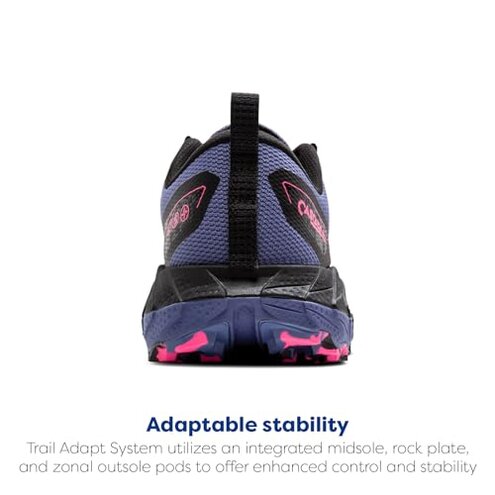
Regret moment: on uneven trail sections, you want “set it and forget it” confidence. The limited signals suggest stability and traction can feel less predictable depending on surface and pace.
- Frequency: this shows as an edge-case issue but is high-impact when it happens.
- When it shows: it pops up during wet patches or quick direction changes.
- Worsens when: you push pace downhill where small slips become big stress.
- Category contrast: most mid-range trail shoes deliver consistent grip on moderate trails.
- Mitigation: keep use to moderate terrain until you trust the outsole feel.
- Fixability: traction perception is hard to change without a different shoe.
Illustrative excerpts (not real quotes)
- Illustrative: “My usual size fits, but something feels wrong after 20 minutes.” Primary pattern tied to quick-onset comfort issues.
- Illustrative: “Dry feet, but they run warmer than I expected on normal walks.” Secondary pattern linked to waterproof comfort trade-offs.
- Illustrative: “I wanted one shoe for everything, but I only wear these in rain.” Secondary pattern reflecting situational usefulness.
- Illustrative: “I’m between sizes and had to exchange to make them usable.” Primary pattern reflecting sizing trial needs.
- Illustrative: “On mixed surfaces, I didn’t feel as planted as my other pair.” Edge-case pattern tied to terrain-specific confidence.
Who should avoid this
- Fit-sensitive buyers who get hotspots fast, because comfort issues show up as a primary pattern in early wear.
- One-pair shoppers wanting a single do-it-all trail shoe, because waterproof comfort can be situational and less breathable.
- In-between sizes, because there’s a hidden requirement to trial sizing with your real socks.
- Fast downhill hikers who need instant grip confidence, because traction trust can be an edge-case frustration on mixed terrain.
Who this is actually good for
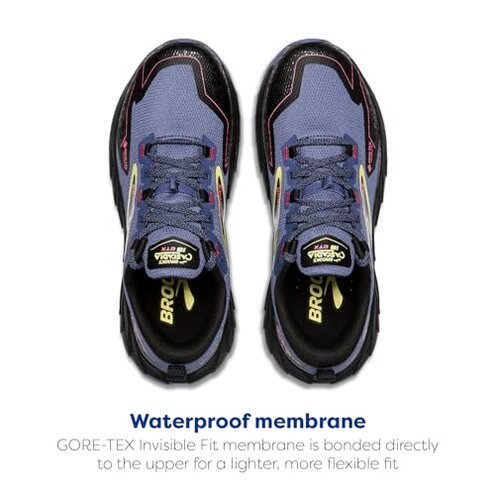
- Rain-first walkers who prioritize dry feet and can accept a warmer feel in exchange for waterproofing.
- Return-ready buyers who are willing to do a sizing trial at home to dial in fit.
- Moderate-trail users who stay on predictable surfaces and can tolerate mixed traction uncertainty.
- Rotation owners with a separate breathable shoe, so GTX days are a specific-use choice.
Expectation vs reality
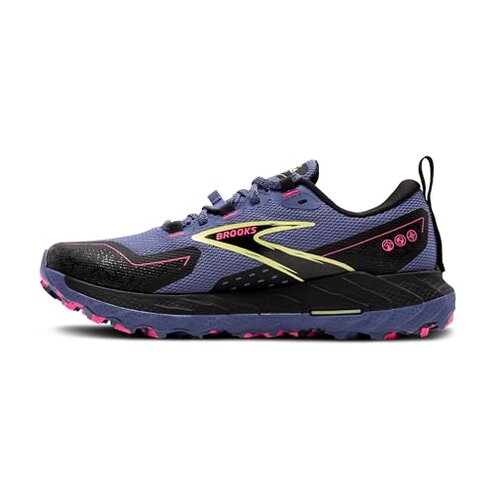
| Expectation | Reality seen in patterns |
|---|---|
| Reasonable break-in for trail shoes. | Faster discomfort than expected shows up as a primary regret trigger in early outings. |
| Waterproof without major comfort penalties. | More warmth and “only for wet days” behavior appears as a secondary theme. |
| Predictable sizing if you know your number. | More trial and exchanges are implied by repeated fit-mismatch notes. |
Safer alternatives
- Choose non-GTX versions when you hike in dry climates, which directly reduces the warmth trade-off flagged above.
- Buy two sizes for at-home comparison if you’re between sizes, which neutralizes the hidden sizing trial requirement.
- Prioritize toe-box comfort and easy return policies, which reduces the risk of early hotspots becoming permanent regret.
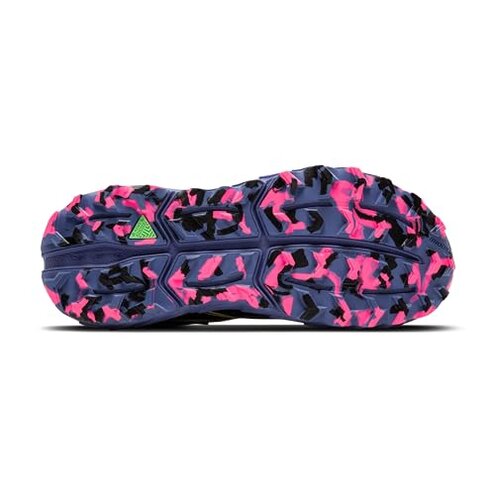
- Match outsole to your real terrain, so mixed-surface users avoid the confidence dips seen in edge-case feedback.
The bottom line
Main regret tends to be the fit-and-comfort mismatch that shows up on first wears and forces exchanges. That risk can feel higher than normal for mid-range trail shoes because you expect quick “good enough” comfort once the size is right.
Verdict: avoid if you need predictable fit or breathable all-day comfort, and only consider if you can run a strict try-on test within the return window.
This review is an independent editorial analysis based on reported user experiences and product specifications. NegReview.com does not sell products.