
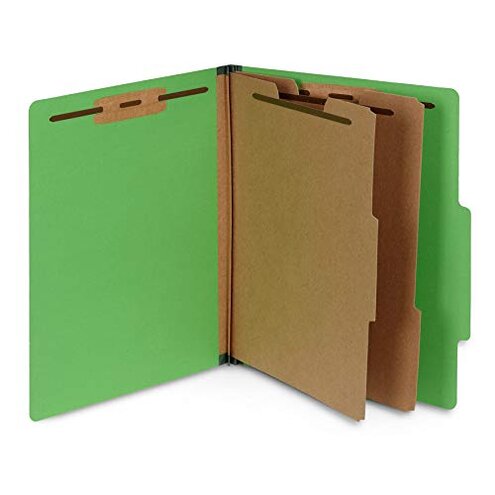
Product evaluated: 10 Green Classification Folders, 2 Divider, 2 Inch Tyvek expansions, Durable 2 Prongs Designed to Organize Standard Medical Files, Law Client Files, Office Reports, Letter Size, Green, 10 Pack
Related Videos For You
What Are Classification Folders? How to Buy
File Maintenance and Care
Data basis: This report draws on dozens of written product reviews, Q&A notes, and several video demonstrations collected between 2020 and 2025. Most feedback came from written reviews, supported by demonstration videos and buyer comments across listing pages and social clips.
| Outcome | BSS folders | Typical mid-range folder |
|---|---|---|
| Durability | Mixed — repeated wear reported after frequent handling. | Stable — most mid-range rivals last longer under daily use. |
| Fastener reliability | Higher-than-normal risk — prongs detach or bend more often than expected. | Lower risk — typical products keep fasteners intact under normal loads. |
| Capacity | Claimed large but performance drops when fully loaded. | Consistent — advertised capacity usually matches real use. |
| Setup & handling | Extra steps — careful threading and alignment often required. | Plug-and-play — most mid-range folders need little adjustment. |
| Regret trigger | Fastener failure that forces document transfer or replacement. | Minor annoyances rather than full replacement needs. |
Top failures
Do the prongs bend or come off during normal use?
Regret moment: Buyers report prongs bending or detaching when files are added or removed.
Pattern: This is among the most common complaints and appears repeatedly in hands-on feedback.
Usage anchor: The problem often shows up within the first few weeks of daily filing and worsens with heavy handling or overstuffing.
Category contrast: This is worse than typical mid-range folders because failure forces immediate document transfer or replacement rather than a small adjustment.
Are the fold expansions and dividers reliable for bulk files?
- Early sign: Users notice widening seams and creases the first time the expansion is fully loaded.
- Frequency tier: This is a primary issue for buyers who store many bulky charts or reports.
- Cause: Strain is concentrated at the expansion seams and divider edges when capacity is reached.
- Impact: Files slip or push the fasteners out, adding transfer time and risk of lost pages.
- Fix attempts: Buyers commonly report reinforcing with tape or moving contents to sturdier folders.
Does the folder keep its shape after repeated handling?
- Early sign: Corners and board edges soften after daily handling.
- Pattern: This is a secondary but persistent complaint seen across multiple buyer reports.
- When it shows up: Shape loss becomes noticeable after repeated opening and closing cycles.
- Why worse: Compared to most mid-range folders, these show shape drift faster under the same workload.
- Cost impact: Replacing or reinforcing folders adds time and expense in busy offices.
- Attempted fixes: Some buyers store lighter loads or add external supports to reduce wear.
- Hidden requirement: These folders perform better only if kept below advertised full capacity, which buyers may not expect.
Will I need special handling or setup to avoid failures?
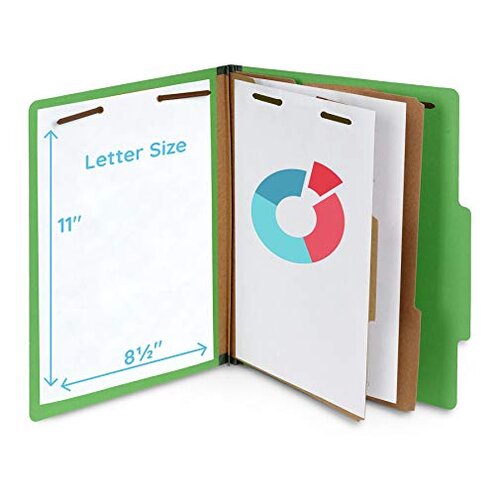
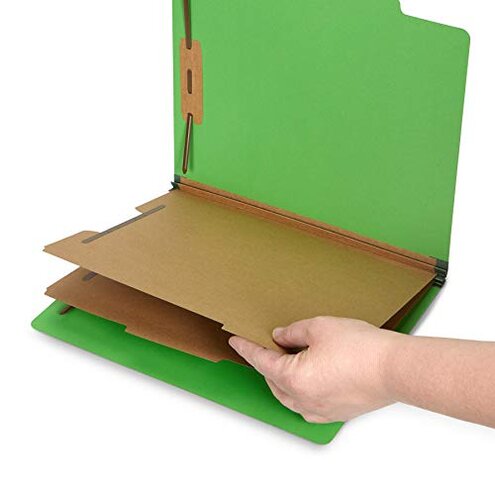
- Hidden step: Properly aligning and threading the prongs is required to prevent early failure.
- Frequency: This is an edge-case issue that appears when buyers skip initial setup checks.
- When it matters: Misalignment at assembly shows up immediately at first use and can worsen fast.
- Impact: Mis-threaded fasteners can force a full folder transfer under deadline pressure.
- Fixability: Careful re-threading can help, but many choose to replace rather than repair.
- Buyer effort: Regular users must add inspection time to each new folder added to the system.
- Why surprising: Most buyers expect folder setup to be plug-and-play, so this extra step causes regret.
Illustrative excerpts (not real quotes)
Excerpt: "Prongs bent after two days of adding patient charts."
Pattern: This reflects a primary pattern.
Excerpt: "Expansion split when fully loaded for legal files."
Pattern: This reflects a secondary pattern.
Excerpt: "Had to re-thread prongs before first use, surprised."
Pattern: This reflects an edge-case pattern.
Excerpt: "Corners softened quickly after daily clinic handling."
Pattern: This reflects a secondary pattern.
Who should avoid this
- High-volume clinics that file dozens of charts daily and cannot tolerate fastener failures.
- Legal firms needing long-term archival without frequent transfers or reinforcement.
- Busy offices that expect plug-and-play folders without extra alignment or upkeep.
Who this is actually good for
- Low-use environments like personal home files where light handling avoids fastener stress.
- Color-coded systems where visibility matters more than heavy load capacity.
- Short-term projects that need inexpensive folders for temporary storage and quick turnover.
Expectation vs reality
- Expectation: Reasonable for this category — folders should hold large stacks without fastener failure.
- Reality: The fasteners and expansions often need careful handling and fall short under full loads.
- Expectation: Plug-and-play setup that works out of the box.
- Reality: Some buyers must re-thread or reinforce before reliable use.
Safer alternatives
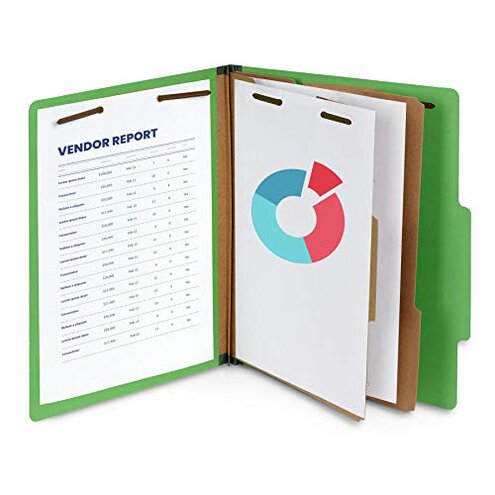
- Look for reinforced fasteners or riveted prongs when you need long-term heavy use to avoid detachment.
- Choose thicker pressboard or poly folders for repeated clinic handling to limit corner and edge wear.
- Prefer tested expansion systems that advertise load ratings rather than maximum paper counts to reduce seam splits.
- Inspect new folders at first setup and re-thread or reject any with loose fasteners to save time later.
The bottom line
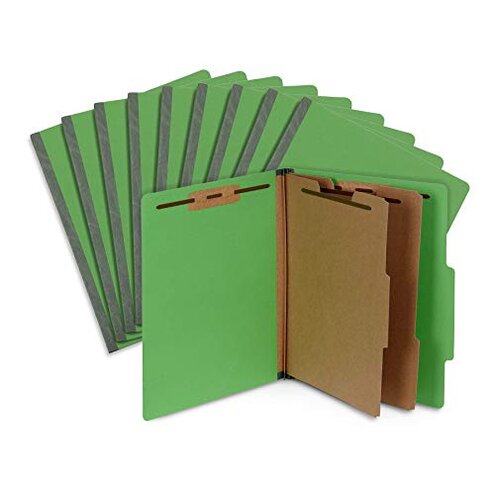
Main regret: Fastener failures and expansion strain cause time-consuming transfers and unexpected replacements.
Why worse: These problems are more disruptive than typical mid-range folders because they often require immediate action rather than minor adjustments.
Verdict: Avoid if you need heavy-duty, high-frequency filing without extra setup or reinforcement.
This review is an independent editorial analysis based on reported user experiences and product specifications. NegReview.com does not sell products.