
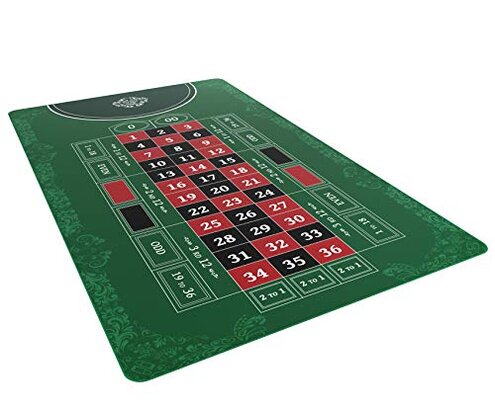
Product evaluated: Bullets Playing Cards Poker Table Top Mat - Durable, Water-Resistant, & Non-Slip Surface - Professional-Grade Playing Mat with Sewn Edges for Casino Night and Texas Hold’em - Rectangular 55" x 29.5"
Related Videos For You
Poker Table Set-up | Poker Tutorial with @Spraggy | PokerStars Learn
Poker Mat Rubber Poker Table Mat Topper for Texas Hold'em, Blackjack, and Casino Games (Review)
Data basis: This report uses dozens of buyer comments gathered from written feedback and photo or video-backed impressions collected across public retail surfaces from 2023 to 2026. Most feedback came from written reviews, with smaller support from visual demonstrations that helped confirm setup and table-fit problems during real game nights.
| Buyer outcome | This mat | Typical mid-range option |
|---|---|---|
| Setup ease | Higher risk of curl memory after unrolling, which adds extra prep before cards slide cleanly. | Usually easier to flatten with less first-use adjustment. |
| Card handling | Can feel uneven if edges or corners do not settle fully during play. | More predictable glide across the full surface. |
| Table fit | Less forgiving because the 55 x 29.5 inch size works best only on certain table shapes. | Often similar, but many alternatives offer more forgiving shape options. |
| Cleanup burden | Moderate, since water resistance helps spills but storage can still become a hassle. | Moderate, with similar wipe-down effort. |
| Regret trigger | Showing up ready to play and needing extra time to make the mat lie flat. | Lower chance of setup friction delaying the game. |
Why does it not lie flat when game night starts?
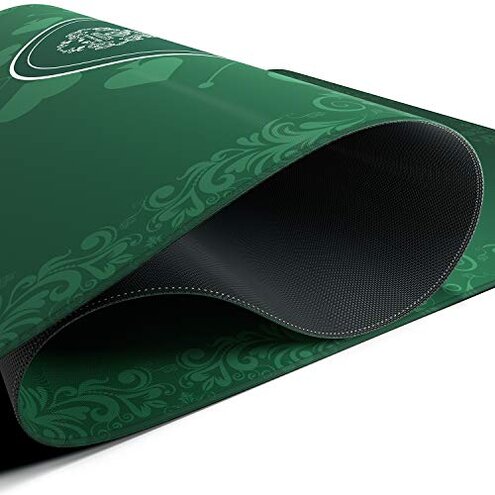
This is the primary issue and among the most common complaints for this type of poker mat. The regret moment happens right after setup, when a quick unroll turns into extra smoothing, weighting, or waiting.
The pattern appears repeatedly, though not for every buyer. Compared with a typical mid-range table mat, this feels more disruptive than expected because flatness is the first job of the product.
- Early sign: Corners or edges may keep a slight lift during the first use after coming out of storage.
- Frequency tier: This is a primary complaint seen across multiple feedback sources.
- When it worsens: The problem stands out more on shorter game nights, where there is less time for the mat to settle.
- Buyer impact: Cards and chips can feel less tidy near raised areas, which breaks the casino-like feel buyers expected.
- Hidden requirement: Some buyers end up needing a dedicated spot to pre-flatten or store it more carefully than expected.
- Fixability: It is sometimes manageable with time and pressure, but that adds extra steps before play.
- Why it stings: A mid-range poker mat should be fairly ready after unrolling, so repeated flattening feels worse than normal for the category.
Illustrative: “I wanted instant setup, but I had to fight the corners first.”
Pattern: This reflects a primary complaint.
Does the size fit awkwardly on normal tables?
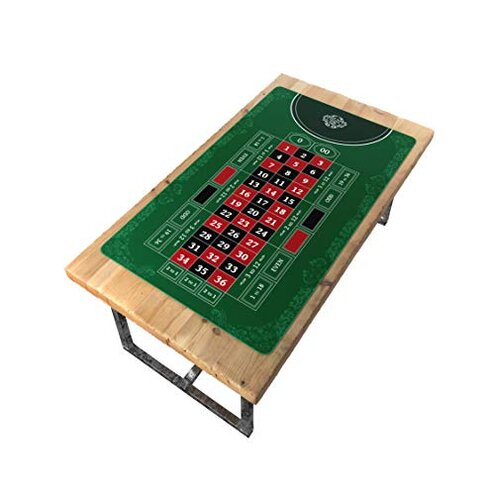
- Scope: This is a secondary issue that shows up after buyers try it on dining tables, folding tables, or smaller game tables.
- Usage moment: The friction appears during setup when chairs, cup placement, or dealer space start feeling tighter than expected.
- Why it happens: The 55 x 29.5 inch footprint is useful for poker, but it is not very forgiving if your table is only slightly larger.
- Real impact: Players may lose elbow room or need to reposition chips and drinks more carefully.
- Comparison: That is not unusual for poker mats, but this can feel more limiting than expected if you hoped for a casual drop-anywhere setup.
- Less obvious cost: If your table shape is wrong, the mat can create more hassle than a simple felt layout would.
Illustrative: “It looked fine in photos, then took over more table space than expected.”
Pattern: This reflects a secondary complaint.
Does the surface feel less premium than the listing suggests?
This is a persistent secondary issue. The frustration tends to appear during the first game, when buyers compare the real feel against the professional-table image.
Not everyone minds it, but the mismatch matters more for buyers expecting a thick, table-like upgrade. Compared with many mid-range mats, the disappointment is more about expectation gap than outright failure.
- What buyers notice: The mat can feel more like a portable topper than a true table replacement.
- Why that matters: The product is sold on a professional-grade promise, so even a decent surface can still underwhelm.
- When it worsens: The gap is clearer during longer sessions, where comfort and table presence matter more.
- Trade-off: Portability helps storage, but that same portability can make it feel less substantial than some shoppers hoped.
Illustrative: “Good enough for casual nights, but it did not feel like a real poker table.”
Pattern: This reflects a secondary complaint.
Is the storage tube more hassle than help?
- Pattern: This is an edge-case issue, but it becomes more frustrating when the mat is packed away after every use.
- When it appears: The problem shows up after cleanup, especially for buyers without a dedicated game area.
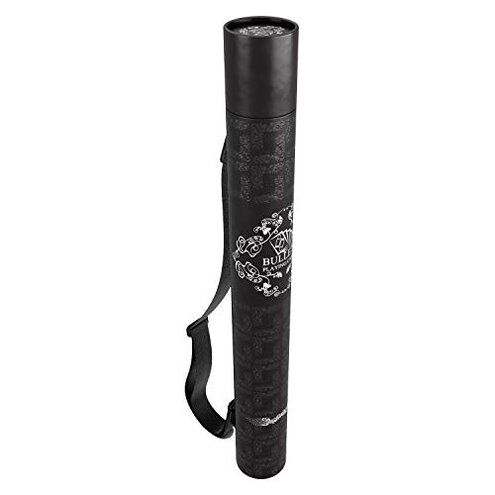
- Why it matters: The carrying tube sounds convenient, but repeated rolling and unrolling can feed the flatness problem.
- Hidden requirement: You may need consistent storage habits and enough closet space to avoid adding setup friction later.
- Category contrast: Portable mats always involve storage trade-offs, but this feels less forgiving than typical when buyers want fast repeat use.
Illustrative: “Portable, yes, but storing it neatly became another chore.”
Pattern: This reflects an edge-case complaint.
Who should avoid this
- Avoid it if you want a mat that is ready to play immediately after unrolling.
- Skip it if your table space is tight and you cannot dedicate room to a 55 x 29.5 inch layout.
- Look elsewhere if you expect a heavy, table-like feel rather than a portable topper feel.
- Pass on it if you will store it after every session and do not want extra setup steps each time.
Who this is actually good for
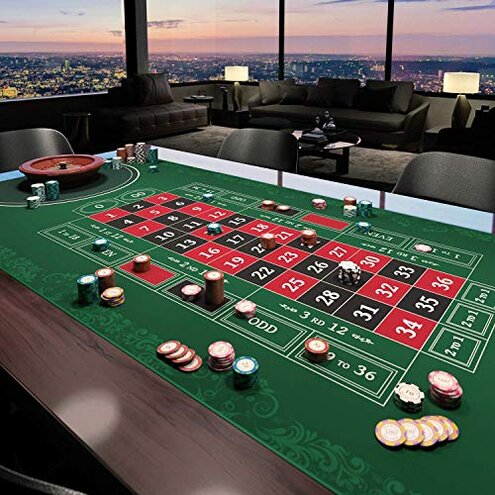
- Good fit for casual hosts who can leave it out long enough to settle before guests arrive.
- Good fit for buyers who value spill resistance more than perfect first-minute flatness.
- Good fit for players using a table that already matches the mat size well.
- Good fit for occasional poker nights where portability matters more than a true table replacement feel.
Expectation vs reality
- Expectation: A portable poker mat should unroll and play with only minor adjustment, which is reasonable for this category.
- Reality: Here, flatness complaints appear often enough that setup can take more effort than expected.
- Expectation: Professional styling should make a normal table feel close to a casino setup.
- Reality: For some buyers, the real-world feel stays closer to a decent overlay than a major upgrade.
- Expectation: The carry tube should simplify ownership.
- Reality: If you store it after every use, that convenience can turn into repeat prep work.
Safer alternatives
- Choose thicker mats with buyer-confirmed flatness if your biggest concern is edge curl after storage.
- Check table size first and leave extra room for chips, drinks, and elbows before buying any rectangular poker topper.
- Prefer lay-flat storage options if you host often and want to avoid repeated rolling memory.
- Look for realistic photos showing the mat on common dining tables to judge true size impact.
The bottom line
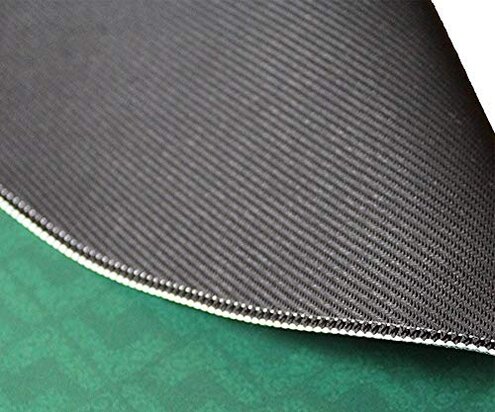
The main regret trigger is simple: buyers expect a quick, professional poker setup and instead may need extra time to flatten and position the mat. That exceeds normal category risk because easy setup is the core reason to buy a portable poker topper. Avoid it if you are sensitive to first-use frustration or plan to roll it up after every session.
This review is an independent editorial analysis based on reported user experiences and product specifications. NegReview.com does not sell products.