

Product evaluated: Bully Max 11-in-1 Muscle Gain Power Chews - High Protein Dog Supplement with Amino Acids - Healthy Treats for Puppy & Adult Dogs - Premium Muscle Builder for All Breeds - 75 Tasty Soft Dog Chews
Related Videos For You
My Dog Is A Picky Eater: What Do I Do?
5 American Bully Exercise MUSCLE training tips that will get your dog SWOLE!!
Data basis: This report uses dozens of buyer feedback signals collected from written reviews and short video-style demonstrations between 2024 and 2026. Most feedback came from written reviews, with supporting detail from photo and video posts that helped confirm repeat patterns during daily feeding.
| Buyer outcome | Bully Max chews | Typical mid-range alternative |
|---|---|---|
| Dog acceptance | Less predictable; refusal appears repeatedly even on first servings | More consistent; picky-eater issues still happen, but less often |
| Visible results | Mixed payoff; benefits are not universal after regular use | Modest but steadier; buyers usually expect gradual support, not dramatic change |
| Daily hassle | Higher effort; owners often need extra steps to get dogs to take it | Lower effort; more often works as a simple treat-style add-on |
| Stomach tolerance | Higher-than-normal risk; digestive upset is a persistent secondary complaint | Moderate risk; sensitivity can happen, but usually with fewer repeat mentions |
| Regret trigger | Paying premium supplement pricing for a chew the dog may reject or not noticeably benefit from | Slower results, but with fewer acceptance surprises |
What if your dog simply will not eat these?

Taste refusal is among the most common complaints, and it shows up at the very first use. The trade-off is simple: a muscle supplement does nothing if daily feeding turns into negotiation.
This pattern appears repeatedly across feedback, though it is not universal. Compared with most mid-range chew supplements, these seem less forgiving for picky dogs because buyers expect treat-like acceptance at this format and price.
- Early sign: refusal often starts on the first chew or first few days of use.
- Frequency tier: this is a primary issue, mentioned more often than packaging or shipping complaints.
- Usage moment: the problem shows up during normal treat time, especially when owners expect easy hand-feeding.
- Impact: owners end up hiding pieces in food, which adds extra steps every day.
- Why it stings: most dog chews in this category are expected to be easier to give than powders or pills.
Illustrative excerpt: “My dog eats almost anything, but kept spitting these out.”
Pattern: Primary pattern tied to first-use acceptance problems.
What if you keep using it and still do not see much change?
- Main frustration: mixed results are a recurring complaint after repeated daily use.
- When it appears: this usually shows up after buyers commit to a routine and expect visible body or energy changes.
- Intensity cue: this is the other primary issue, less immediate than refusal but more frustrating once time has been invested.
- Context: disappointment worsens when the dog already eats a decent diet, because the added benefit becomes harder to notice.
- Category contrast: supplements in this range are reasonably expected to offer gradual support, but buyers commonly report the outcome feels too subtle for the effort.
- Trade-off: some dogs may do fine, but the product is not reliably delivering a clear before-and-after experience across feedback.
- Hidden requirement: buyers often discover they need tighter control of total diet and activity to judge any benefit, which is more work than a simple chew solution suggests.
Illustrative excerpt: “Finished a good stretch of the bag and saw no clear difference.”
Pattern: Primary pattern tied to repeated-use disappointment.
What if it upsets your dog’s stomach?
Digestive issues are a secondary complaint, but they are more disruptive than expected when they happen. The regret moment usually comes after starting regular servings and noticing loose stool, stomach sensitivity, or a dog acting off.
This problem is less frequent than refusal, yet more frustrating when it occurs because it stops the trial completely. Compared with a typical mid-range supplement chew, that makes this feel riskier than normal for sensitive dogs.
- Frequency tier: a secondary issue, persistent enough to matter for sensitive dogs.
- Usage anchor: it tends to show up after starting full routine use rather than just smelling the chew.
- Worsens when: it can feel worse if owners move too quickly into daily servings.
- Impact: instead of supporting health goals, it creates cleanup and monitoring time.
- Fixability: some owners try smaller amounts first, but that adds a trial-and-error phase.
- Why it stands out: buyers expect some supplement sensitivity in this category, but not enough to make daily use feel unreliable.
Illustrative excerpt: “I wanted muscle support, but got stomach problems instead.”
Pattern: Secondary pattern tied to tolerance issues during routine use.
What if the bag runs out before you feel confident it works?
- Value tension: a recurring complaint is cost frustration once acceptance or results are uncertain.
- When it hits: this shows up during repeat feeding, when buyers realize daily use consumes the bag while confidence stays low.
- Intensity cue: this is a secondary issue, but it drives regret because it combines with the top two failures.
- Hidden requirement: the product works best only if your dog accepts it consistently and tolerates it well, which is not guaranteed.
- Category contrast: most mid-range alternatives may be less ambitious, but they often ask for fewer compromises in daily routine.
- Buyer impact: owners can feel pushed into a full-bag experiment without enough early proof.
- Edge case: if your dog is both picky and sensitive, the spend feels hard to justify very quickly.
Illustrative excerpt: “Too expensive to keep testing when my dog hates them.”
Pattern: Secondary pattern combining price with refusal.
Who should avoid this
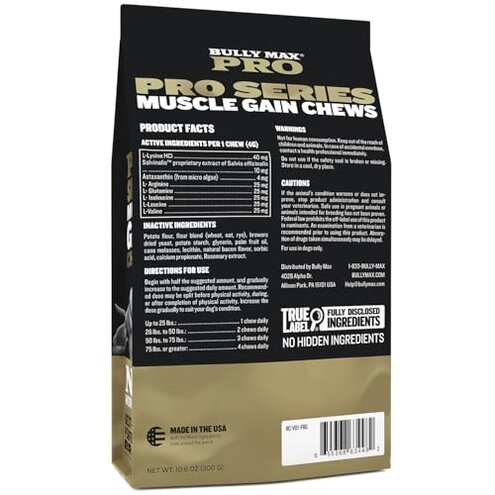
- Picky-dog owners should avoid it, because acceptance problems are a primary complaint and create more hassle than typical chew supplements.
- Sensitive-stomach dogs are a risky match, since digestive complaints are less common than refusal but worse when they happen.
- Buyers expecting visible muscle change may want to skip it, because mixed results after daily use are reported often enough to matter.
- Anyone wanting a low-effort routine should be cautious, because hidden steps like mixing, splitting, or testing smaller amounts come up repeatedly.
Who this is actually good for

- Non-picky dogs may do fine if they already accept chew supplements without fuss.
- Patient owners who are comfortable tracking diet, activity, and response may tolerate the mixed-results risk better.
- Single-goal testers who can watch one dog closely may accept the trial-and-error burden more easily than multi-dog households.
- Buyers comfortable stopping early may find it workable if they treat the first servings as a tolerance test, not a guaranteed routine.
Expectation vs reality

Expectation: A soft chew should work like a treat and be easy to give daily.
Reality: acceptance risk is higher than many buyers expect, so routine use can start with refusal instead of convenience.
Expectation: A muscle-support supplement should show at least gradual, noticeable improvement with consistent use.
Reality: results vary enough that some buyers finish much of the bag without clear payoff.
Expectation: Some sensitivity is reasonable for this category, but daily use should still feel manageable.
Reality: stomach upset appears more disruptive than expected because it can end the trial entirely.
Safer alternatives
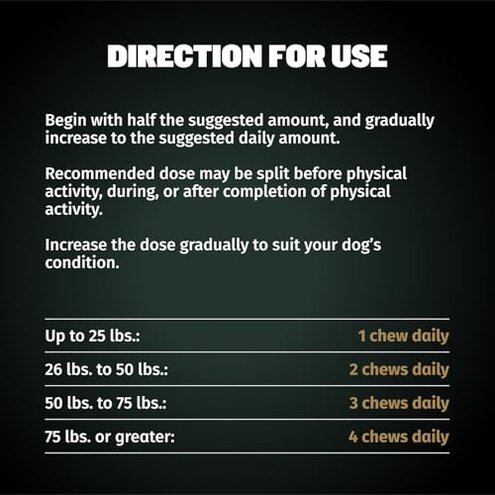
- Choose smaller trial sizes first when possible, because that directly lowers the regret risk from taste refusal.
- Favor simpler formats with strong acceptance history if your dog is picky, since this helps avoid the hidden mixing and coaxing steps.
- Start slowly with any new chew supplement, which helps reduce the tolerance risk seen during full-routine use.
- Set modest goals and compare body condition over time, because dramatic change expectations make mixed-result products feel worse.
- Prioritize acceptance over claims if daily compliance matters most, since a simpler chew your dog reliably eats is often the safer buy.
The bottom line

Main regret usually starts with one of two things: the dog will not eat the chews, or the owner sees little noticeable benefit after sticking with them. That exceeds normal category risk because it turns a simple supplement into a daily effort with uncertain payoff.
Verdict: if your dog is picky, sensitive, or you expect obvious results from one bag, this is a product to approach carefully and often avoid.
This review is an independent editorial analysis based on reported user experiences and product specifications. NegReview.com does not sell products.