
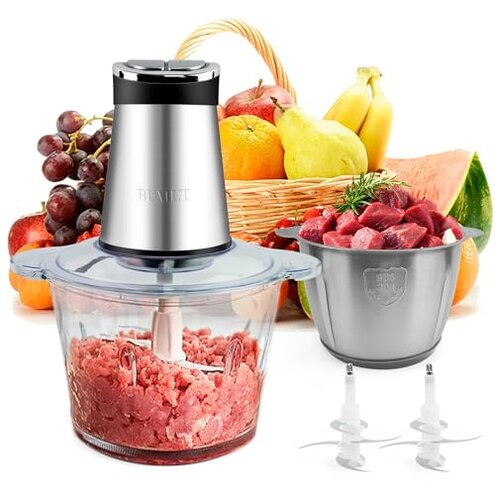
Product evaluated: BUMET 16 cup steel bowl 850W Electric Food Processor,LED timer. 3-Tiered 6 Cutting Edges blade for mincing, chopping,Ideal as meat grinder,fresh vegetables chopper,pet food process in kitchen.
Related Videos For You
12 Suprising Ways to Use a Food Processor | Allrecipes
Data basis: This report is based on dozens of recent buyer comments gathered from written feedback and short-form video demonstrations collected across 2024 to 2026. Most input came from written reviews, with supporting signals from visual product walk-throughs, which helps separate first-impression praise from problems that show up during repeated kitchen use.
| Buyer outcome | BUMET | Typical mid-range alternative |
|---|---|---|
| Batch size confidence | Mixed; large bowl helps, but bigger batches can add strain and extra scraping during use. | More predictable; similar size claims usually come with steadier day-to-day processing. |
| Cleanup effort | Higher risk; repeated feedback patterns often center on extra cleaning steps around blades and bowl handling. | Lower effort; still not effortless, but usually less fussy after normal chopping jobs. |
| Texture consistency | Uneven risk; more frustrating when switching between meat and vegetables during daily use. | More even; mid-range units are usually easier to predict once speed is chosen. |
| Noise comfort | Above normal; power can translate into a harsher kitchen experience in short bursts. | Typical; still loud, but often less jarring for routine prep. |
| Regret trigger | Hidden upkeep; buyers expecting quick prep can get stuck with extra stops, scraping, and washing. | Lower regret; trade-offs are usually clearer and easier to work around. |
Do you want fast prep, but end up stopping to scrape and rework food?
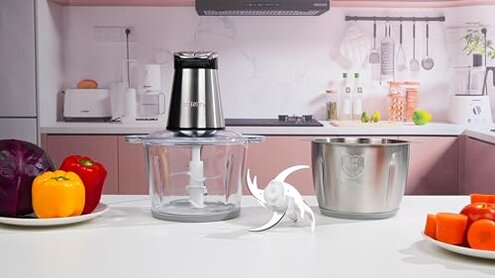
This is a primary issue in the negative feedback pattern. The regret moment usually shows up during real meal prep, when buyers expect the large bowl and strong motor to save time but instead pause to redistribute food.
The pattern appears repeatedly, especially when switching between softer items and denser loads in the same session. That feels worse than a normal food processor learning curve because mid-range alternatives are usually more forgiving once ingredients are cut down reasonably.
- Early sign: Food can collect unevenly, so one area gets chopped fast while other pieces need another pass.
- When it happens: It tends to show up after setup, during full-bowl use or mixed-texture batches.
- Why it stings: The extra scraping breaks the main promise of quick, low-effort prep.
- Frequency tier: This is among the most common complaints, not universal but persistent enough to matter.
- Fixability: Smaller loads can help, but that reduces the value of choosing a larger-capacity unit.
Illustrative: “I bought a big chopper to save time, not babysit every batch.” Primary pattern: reflects repeated frustration with stop-and-scrape use.
Are you expecting easy cleanup after meat or sticky ingredients?
- Primary pain: Cleanup is a recurring issue and often more disruptive than expected for this category.
- Usage moment: It becomes most noticeable right after processing meat, wet mixtures, or finely chopped vegetables.
- Hidden requirement: Buyers may need to clean immediately and carefully, which adds urgency and extra steps many did not expect.
- Why worse than normal: Most mid-range processors still need care, but this kind of feedback points to more upkeep than many buyers planned for.
- Impact: A machine that saves a few prep minutes can lose that advantage if washing takes longer than expected.
- Workaround: Pre-rinsing and smaller batches can reduce residue buildup, but they add more handling time.
- Persistence: This is a secondary issue in volume, but more frustrating when it happens because it arrives after the food is already done.
Illustrative: “Chopping was quick, but cleaning the messy parts took the mood right out.” Secondary pattern: matches recurring cleanup complaints after normal kitchen use.
Does ‘powerful’ matter if the machine feels harsh or noisy in a small kitchen?
Noise is a secondary issue, but it shows up often enough to affect buyer comfort. The problem usually appears on first use and keeps bothering people in apartments or shared kitchens.
That trade-off feels sharper than usual because loud food processors are normal, but buyers expect the noise to come with smooth, easy results. When the sound feels aggressive and the texture still needs reworking, the noise becomes harder to excuse.
- Context: Short bursts can sound more abrupt during dense chopping or meat processing.
- Buyer impact: It can discourage quick weekday use, which defeats the convenience angle.
- Relative risk: Less frequent than cleanup complaints, but more irritating when your kitchen echoes.
- Mitigation: Running smaller portions may help, though it adds extra rounds.
Illustrative: “It works, but it sounds tougher than I expected for simple prep.” Secondary pattern: captures comfort complaints during normal operation.
Do you need one processor for vegetables, meat, and pet food without much trial and error?
- Core concern: Multi-use flexibility is not a guaranteed win, even though that is a major selling point.
- Pattern signal: This is a persistent edge-case issue, seen when buyers expect one setup to handle very different textures equally well.
- When it appears: It tends to surface after the first few sessions, once people move beyond basic chopping.
- Why it feels worse: Category buyers reasonably expect some adjustment, but not repeated experimentation to avoid uneven results.
- Impact: You may end up changing batch size, speed, or prep steps more often than planned.
- Hidden cost: More testing means more wasted time and more dishes if the first pass is wrong.
- Best attempt: Pre-cutting ingredients more evenly can improve consistency, but that reduces the convenience of a high-power unit.
- Decision cue: If you need reliable repeatability across different foods, this risk is harder to justify.
Illustrative: “I wanted one machine for everything, but each food needed its own routine.” Edge-case pattern: reflects lower-frequency but real frustration with versatility claims.
Who should avoid this
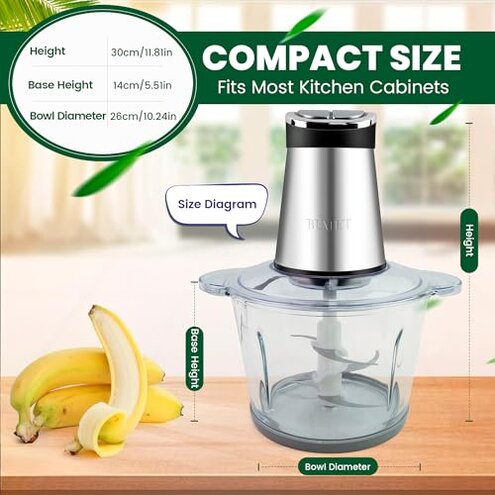
- Busy cooks who want dump-and-go simplicity should avoid it, because repeated scraping and texture correction can add more interruption than normal.
- Small-kitchen users sensitive to harsh appliance noise should avoid it, since the sound profile appears more noticeable than many expect.
- Low-maintenance buyers should pass if cleanup friction ruins the value of quick prep for them.
- Consistency-focused users making frequent mixed batches should avoid it if they expect reliable results without experimenting.
Who this is actually good for
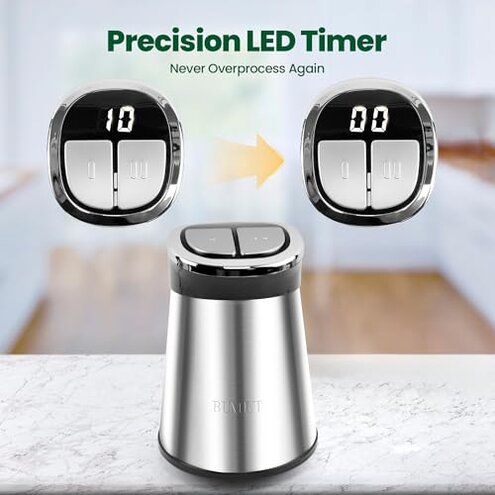
- Patient meal preppers who accept extra scraping may still like the large bowl because batch capacity matters more to them than smooth workflow.
- Experienced users who already expect to pulse, reposition, and clean immediately may tolerate the upkeep better.
- Occasional users doing simpler chopping jobs may never hit the more frustrating patterns often enough to care.
- Value shoppers who mainly want strong basic chopping and can live with more trial and error may find the trade acceptable.
Expectation vs reality
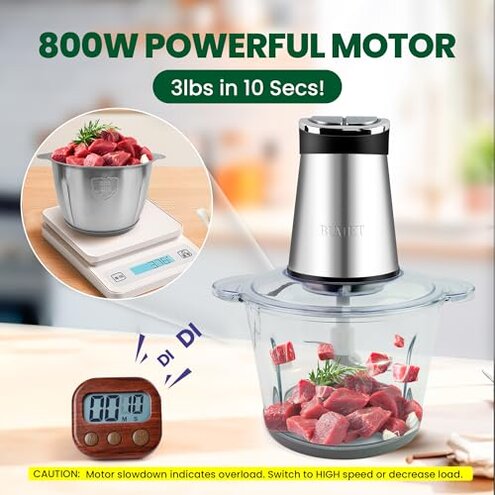
Expectation: A 16-cup processor should reduce repeat batches for family-size prep.
Reality: Bigger loads can still mean more stopping, scraping, and reprocessing, which cuts into the time saved.
Expectation: Cleanup should be reasonable for this category.
Reality: The negative pattern suggests worse-than-expected upkeep, especially after sticky or protein-heavy jobs.
- Expectation: Strong power should mean smoother results.
- Reality: Power helps, but it does not fully prevent uneven chopping in every use case.
- Expectation: One machine should cover many kitchen tasks easily.
- Reality: Versatility appears less forgiving than typical if you switch food types often.
Safer alternatives
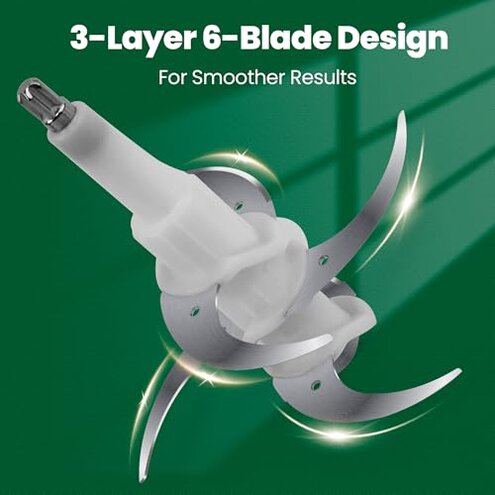
- Choose simpler bowls and blade designs if your top concern is fast cleanup after meat or sticky foods.
- Prioritize consistency tests in demos, not just power claims, if uneven texture would bother you more than slower prep.
- Look for quieter-use feedback if you cook in apartments or late at night, since noise tolerance varies a lot.
- Buy for your real batch size instead of the largest advertised capacity if overfilling and scraping are common deal-breakers for you.
- Favor models with easier daily routines if you need one processor for vegetables, meat, and pet food without repeated adjustment.
The bottom line
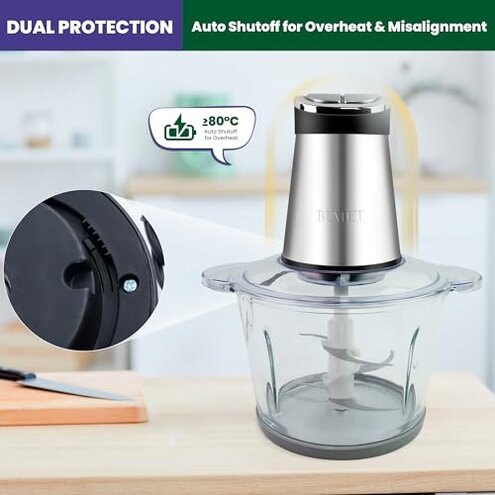
The main regret trigger is not lack of power. It is the combination of extra intervention during processing and more cleanup effort than many buyers expect.
That exceeds normal category risk because food processors already involve some noise and washing, but the reported friction here appears more frequent and less forgiving than a typical mid-range alternative. If you want dependable convenience more than raw specs, this is a product to approach carefully.
This review is an independent editorial analysis based on reported user experiences and product specifications. NegReview.com does not sell products.