
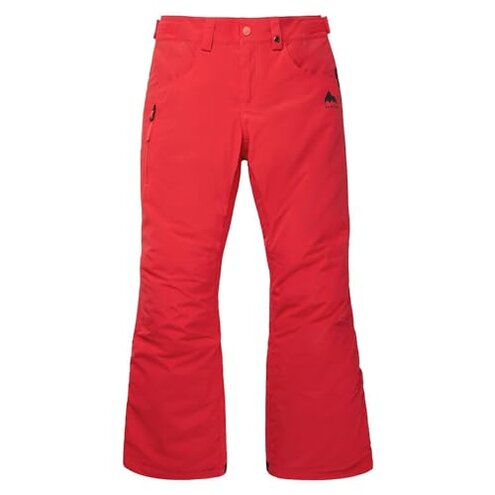
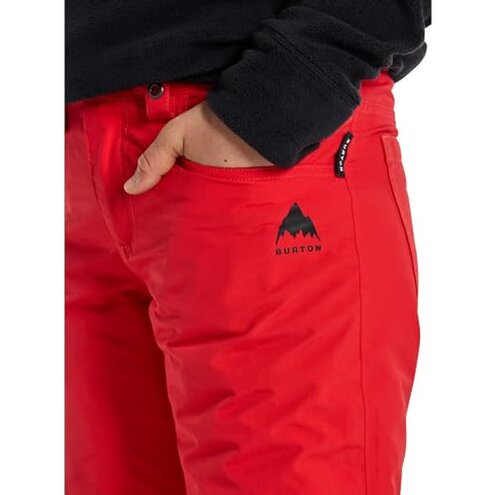
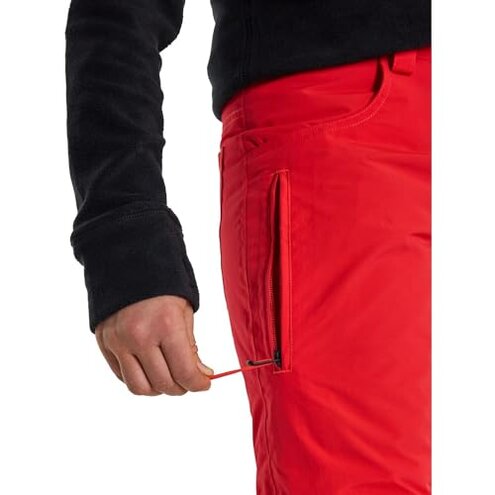
Product evaluated: Burton Boys Barnstorm 2L Pants, Tomato, Large
Related Videos For You
How To Properly Fit Your Snow Jacket & Pants
How to Layer Clothes for Kids in the Snow
Data basis: This report uses dozens of buyer comments collected from written feedback and video-style demonstrations between 2023 and 2026. Most feedback came from short written impressions, with added context from longer hands-on posts that showed fit, warmth, and day-on-the-hill use.
| Buyer outcome | This product | Typical mid-range alternative |
|---|---|---|
| Fit predictability | Higher risk of needing exchanges because youth snow sizing can feel less forgiving in daily wear. | Usually easier to dial in with more relaxed fit expectations. |
| Warmth balance | Can run warm for active kids during longer sessions or milder days. | More balanced for mixed activity and changing weather. |
| Growth flexibility | Helpful feature, but it adds a hidden fit decision before regular use. | Simpler fit with fewer adjustment choices. |
| Daily comfort | More variable if layering is bulky or movement is constant. | More forgiving with average base layers. |
| Regret trigger | Best-looking specs do not help if the fit and warmth feel off once skiing starts. | Less feature-rich, but often easier to live with right away. |
Will the fit feel right once your kid actually moves in them?
Fit frustration is among the most common complaints in youth snow pants, and it feels more disruptive here because these are meant for active movement, not just standing around. The regret moment usually shows up on the first trip, when bending, layering, and boot pairing reveal whether the cut works.
This pattern appears repeatedly in buyer feedback and is not universal, but it matters more than expected in this category because snow pants need to work with boots, layers, and fast movement at the same time.
- Early sign: Tightness or extra bulk often shows up during first wear, especially after adding base layers.
- Pattern tier: This is a primary issue and more disruptive than expected for mid-range kids snow pants.
- When it hits: Problems are easiest to notice during crouching, sitting on lifts, and walking in boots.
- Why worse: A typical alternative is often more forgiving, even if it has fewer adjustment features.
- Trade-off: The regular fit and growth feature can help some kids, but they can also make sizing feel less intuitive.
- Fixability: Exchanges may solve it, but that adds time and planning before a trip.
Does the warmth become too much for active days?
- Heat build-up: A secondary issue appears during active skiing or boarding when constant movement creates more warmth than some kids want.
- Usage moment: It tends to show up after the first hour, not just during quick try-on at home.
- Why it stings: Snow pants in this class are expected to be warm, but these can feel less flexible across changing temperatures.
- Real impact: Overheating can mean more stops, more layer changes, and more complaints from kids.
- Category contrast: Many mid-range options give up some insulation to stay easier in mixed weather, which some families may prefer.
Illustrative excerpt: “Warm enough on the chairlift, but too hot once he started skiing hard.” Secondary pattern.
Is the grow feature actually simple, or does it add hidden setup work?
- Hidden requirement: The room-to-grow feature sounds easy, but it adds a setup choice that some parents do not expect before regular use.
- When noticed: This usually comes up during first fitting at home, especially close to travel or snow-day timing.
- Pattern strength: This is a secondary issue, less frequent than sizing complaints but more frustrating when time is tight.
- Why worse: A typical mid-range pair often has fewer fit options, but it also asks less of the buyer upfront.
- Cost in effort: If the first setup guess is wrong, you may spend extra time retesting with boots and layers.
- Practical limit: The feature helps only if the base fit is already close enough.
- Mitigation: Full try-on with winter socks, boots, and layers reduces surprise later.
Illustrative excerpt: “The adjustable length helped, but getting the fit right took more work than expected.” Secondary pattern.
Do the weather specs feel better on paper than in everyday use?
Spec mismatch is a persistent buyer regret across apparel with strong feature lists. The issue is not that the pants lack winter features, but that feature density can raise expectations higher than real-world comfort and fit deliver.
This concern shows up during daily use, not unboxing. It feels worse than normal because a mid-range buyer often expects solid performance without extra trial-and-error.
- Primary trigger: Buyers see waterproofing, insulation, and storage features and expect an easy win.
- Real-life snag: If fit or temperature balance misses, those features matter less once the day starts.
- Scope signal: This pattern is seen across multiple feedback types, especially from parents focused on practicality.
- Regret angle: The product can feel more complicated than a simpler alternative that fits right immediately.
Illustrative excerpt: “Lots of good features, but the fit mattered more than the feature list.” Primary pattern.
Illustrative excerpt: “He could wear them, just not comfortably for a full day.” Primary pattern.
Who should avoid this
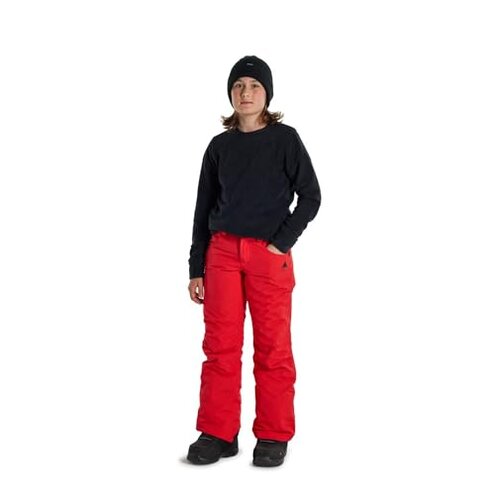
- Avoid it if your child is between sizes, because fit uncertainty is a primary complaint and can be more disruptive than usual in snow gear.
- Skip it if you need a no-fuss trip purchase, since the grow feature adds a hidden fitting step before confident use.
- Look elsewhere if your kid runs hot, because warmth can become less comfortable during active riding or milder weather.
- Pass on it if you want the safest blind buy, since the feature-heavy design does not remove the usual sizing risk.
Who this is actually good for
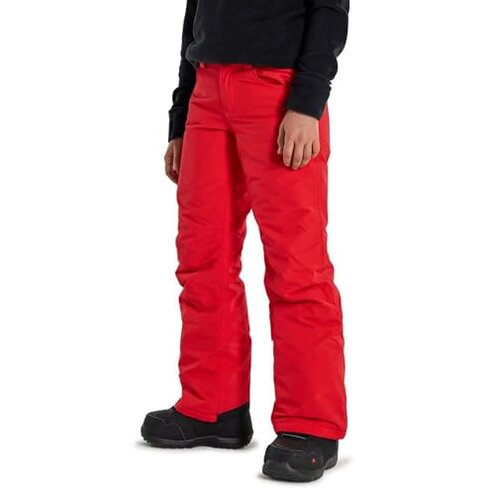
- Good fit for families who can do a full try-on with boots and layers before the first snow day.
- Better match for colder climates where extra warmth is helpful and overheating is less likely.
- Works fine for kids whose body shape already suits regular-fit snow pants and who do not need a very relaxed cut.
- Reasonable choice if you value growth flexibility and accept extra setup effort to get there.
Expectation vs reality
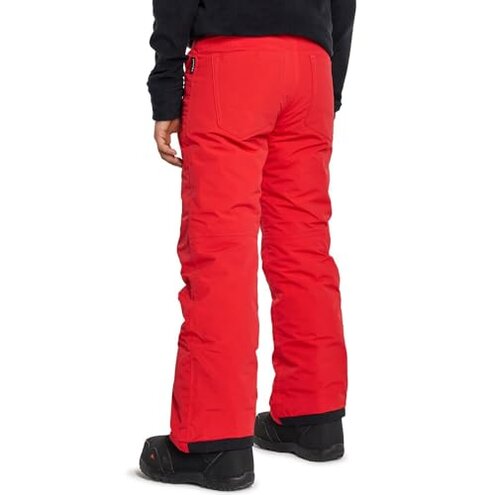
Expectation: A reasonable category assumption is that youth snow pants should fit predictably once you pick the usual size.
Reality: Here, the fit can feel less forgiving during real movement, especially with layers and boots.
- Expectation: More features should make ownership easier.
- Reality: More features can add setup choices without solving core fit comfort.
- Expectation: Insulation should simply mean comfort.
- Reality: Extra warmth can become too much on active days.
Safer alternatives
- Prioritize fit over spec sheets and choose youth snow pants with a more relaxed cut if your child layers heavily.
- Test fully with boots, winter socks, and base layers to neutralize the hidden setup risk from adjustable length features.
- Choose lighter insulation if your child skis hard or runs warm, which reduces the overheating problem seen in active use.
- Buy from easy-return sellers because sizing drift is the main regret trigger and quick exchanges matter more than extra pockets.
The bottom line
Main regret comes from fit uncertainty first, with warmth balance and setup friction as follow-on issues. That exceeds normal category risk because youth snow pants already need to work with layers, boots, and movement, and this pair can be less forgiving than expected. Verdict: Avoid it if you cannot test fit carefully before use or if your child usually struggles with snow-pant sizing.
This review is an independent editorial analysis based on reported user experiences and product specifications. NegReview.com does not sell products.